 Nina Gleam


 Published: Tuesday, September 22
Updated: Tuesday, September 22
Published: Tuesday, September 22
Updated: Tuesday, September 22
 16 minutes ago

Credited from: REUTERS
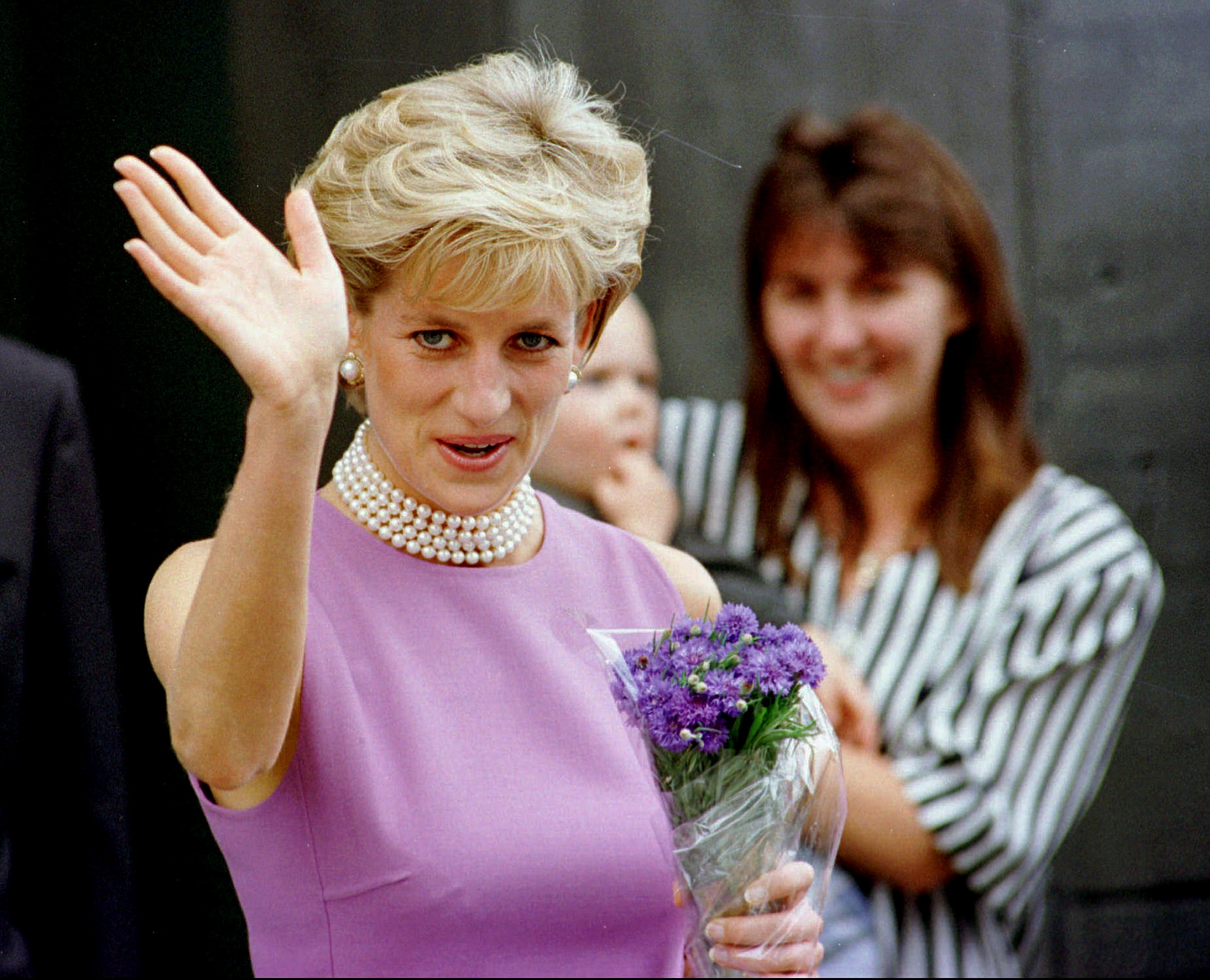
Charles Spencer's memoir, titled Swan Song: Diana, My Sister, was released to notable attention, filled with allegations centered on Princess Diana and her troubled marriage to now-King Charles III. In the book, Spencer claims that shortly after Diana's tragic death in 1997, Charles expressed to him, "Rest assured, we'll forget her soon enough," and that he sounded "giddily elated," akin to a "lottery winner" at the news, an assertion that reignited long-simmering tensions within the British royal family, according to Bangkok Post and Reuters.
Spencer, who has positioned himself as a witness to history, wrote the book to "speak on Diana's behalf" and to address what he views as "untruths that have become accepted over time." Following the release of pre-publication excerpts, Buckingham Palace issued a striking statement noting that pain from fraternal grief can distort memory, pushing back against Spencer's claims, according to NPR and Reuters.
The memoir also touches on pivotal moments in Diana's life, such as Spencer recounting how he opposed the royal family's decision to have her sons, Princes William and Harry, walk behind her coffin at her funeral. He passionately argued that she would not have wanted them to endure that ordeal, stating that Charles "went ballistic" during their conversation. This dialogue reveals ongoing familial discord and complicated emotions surrounding Diana's legacy, as articulated in Bangkok Post and NPR.
Moreover, Spencer provides intimate details about Diana's mental health struggles, revealing in his memoir that she had at times contemplated suicide, yet her love for her sons prevented her from following through. This personal perspective underscores the painful narrative of Diana's life, acknowledging her vulnerability beneath the public persona, according to Reuters and Reuters.
As tensions emerge anew from within the royal household, critics question the necessity of revisiting such painful chapters of history three decades on. Spencer defended his decision to publish the memoir, asserting that it allows him to share his own memories of his sister, rather than leaving the narrative to others whose accounts may be influenced by inaccuracies, according to NPR and Bangkok Post.
While the memoir positions itself as a loving tribute, it also provides critique and insight into the dynamics of the royal family and their tragic past with Diana. Spencer's statements and the subsequent reactions highlight an ongoing discourse about memory, legacy, and the personal costs associated with royal life, as noted by Reuters and NPR.


 September 21, 2026

 September 22, 2026
 September 21, 2026
Stay informed effortlessly with PRESS AI WORLD, the AI-powered news summarizer that delivers concise, easy-to-read global headlines tailored to your interests.


 BANGKOKPOST
  REUTERS
  NPR
NPR 


