
 Atlas Winston


Notification about latest news from us.

 Published: Thursday, June 25
Updated: Thursday, June 25
Published: Thursday, June 25
Updated: Thursday, June 25
 1 hour ago

Credited from: CHANNELNEWSASIA
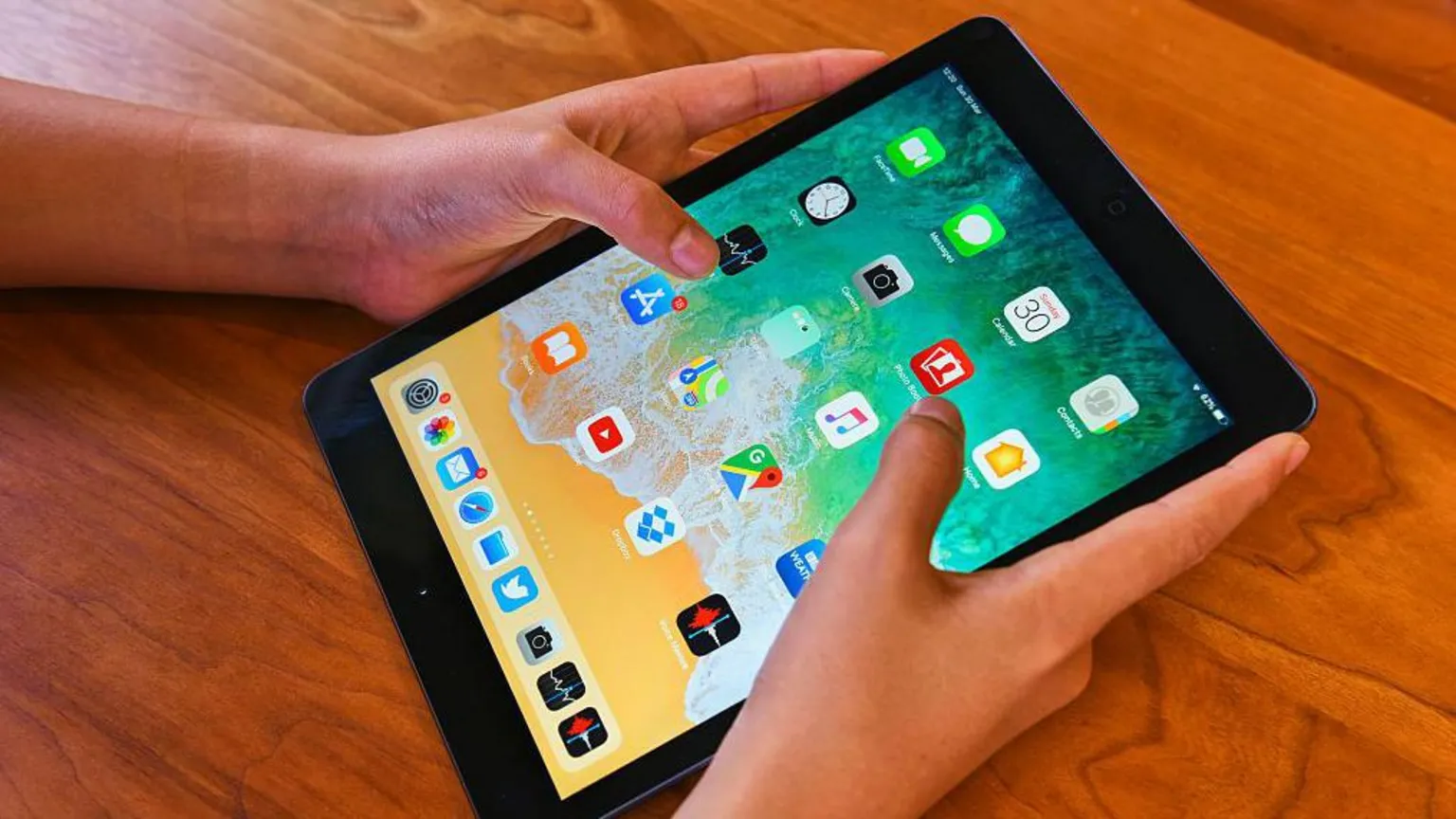
Apple has announced an increase in prices for several MacBook and iPad models, stating it can no longer shield customers from soaring memory and storage chip costs, primarily driven by heightened demand from the AI industry’s data center buildout. The price hikes for products like the MacBook Air and Pro, as well as the iPad Air, reflect a broader trend affecting consumer electronics, as even a tech giant like Apple faces unprecedented challenges from supply chain constraints, according to Reuters, Channel News Asia, Channel News Asia, and BBC.
The starting price for Apple's MacBook Neo, aimed at competing with budget Windows laptops, has risen from $599 to $699 just months after its launch. This decision indicates that Apple is not immune to the price surges affecting the entire electronics industry due to a supply-demand imbalance, exacerbated by the AI boom, as pointed out by industry experts and analysts, including Paolo Pescatore’s insights featured in multiple reports from Reuters and BBC.
Specifically, the price of the MacBook Pro with 1 terabyte of storage increased from $1,699 to $1,999, and the iPad Air with 128 gigabytes of storage now costs $749, up from $599. These strategic price changes come amid diminishing profit margins for many tech firms, with Apple acknowledging that it has struggled with rising component prices, as CEO Tim Cook articulated during earlier earnings calls, as reported by Channel News Asia and BBC.
The surge in memory prices reaches alarming levels, with dynamic random access memory (RAM) values seeing increases as high as 98% in the first quarter of 2026, and predictions indicate further spikes of up to 63% in the current quarter. This uptrend has been labeled "RAMageddon" by analysts, reflecting the critical shifts in the technology landscape, according to Reuters, Channel News Asia, and BBC.
Despite the adjustments, industry analysts believe that Apple’s loyal customer base will likely absorb these price increases with minimal backlash. Tim Cook had previously indicated that memory pricing levels are unsustainable, suggesting more adjustments could be on the horizon for other products, potentially including Apple’s flagship iPhone. Analysts speculate about strategic timing for these announcements as Apple prepares for new product launches, as discussed in reports by Channel News Asia and BBC.


 June 25, 2026

Stay informed effortlessly with PRESS AI WORLD, the AI-powered news summarizer that delivers concise, easy-to-read global headlines tailored to your interests.

 REUTERS
  CHANNELNEWSASIA
  BBC
BBC 


