 Atlas Winston


Notification about latest news from us.

 Published: Friday, June 19
Updated: Friday, June 19
Published: Friday, June 19
Updated: Friday, June 19
 2 months ago

Credited from: BBC
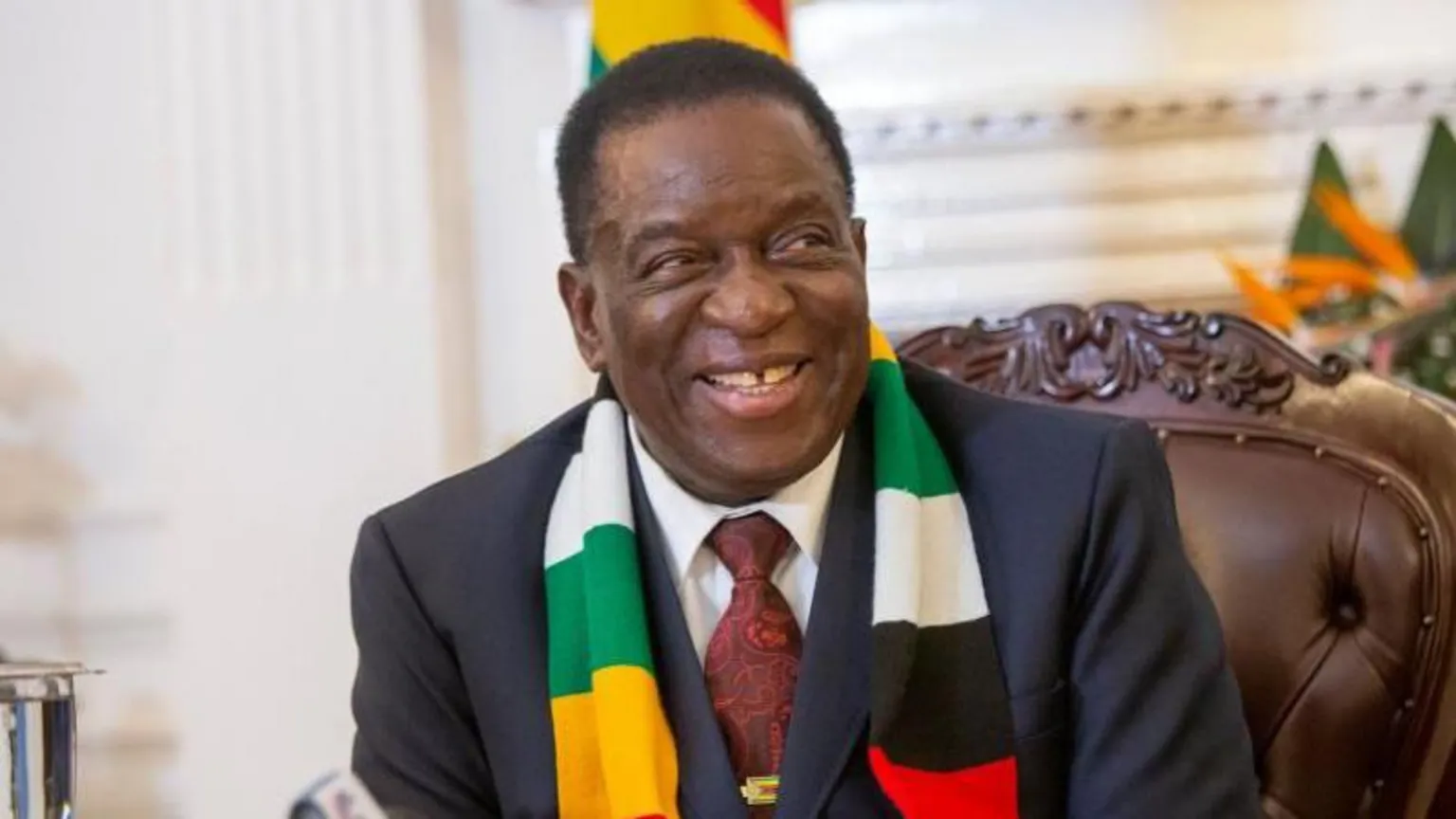
Zimbabwe's parliament has overwhelmingly passed a bill that extends President Emmerson Mnangagwa's term from five to seven years, allowing him to remain in power until 2030. This legislative action was backed by 216 lawmakers, exceeding the 187 votes required for a constitutional amendment. The bill will now go to the Senate, where it is also expected to pass with minimal resistance, indicating solid support for the ruling Zanu-PF party's agenda, which has been in power since independence in 1980, according to Africanews and Indiatimes.
The amendments also include a significant change in how presidential elections will be conducted, moving from a direct popular vote to selection by lawmakers. This shift has raised alarms about the erosion of democratic principles, especially in a country where citizens have been vocal about their rights to choose their leaders. Critics, including opposition parties and civil society groups, argue such fundamental changes should be subject to a national referendum instead of merely being passed through parliament, according to Los Angeles Times and BBC.
At 83 years old, Mnangagwa's tenure reflects a wider trend across Africa, where aging leaders hold on to power despite the continent possessing the youngest population globally. According to a recent Pew Research Center analysis, seven of the world's ten oldest leaders are from African nations, highlighting a disconnection between the aging leadership and the demographic majority under 30. Analysts argue that while some nations experience leadership changes, many still face systemic challenges that prevent younger leaders from emerging democratically, as noted by Indiatimes and Los Angeles Times.
These constitutional amendments intensify ongoing debates in Zimbabwe surrounding governance and democratic processes, with potential implications for the nation’s political stability. Critics fear that such changes could undermine democratic accountability, while the ruling party argues that continuity is essential for stability. The alterations come amidst a backdrop of economic challenges and increasingly authoritarian governance, underscoring the contentious nature of Zimbabwe's current political landscape, according to BBC and Africanews.

Stay informed effortlessly with PRESS AI WORLD, the AI-powered news summarizer that delivers concise, easy-to-read global headlines tailored to your interests.

 AFRICANEWS
  LATIMES
  INDIATIMES
  BBC
BBC 
 June 19, 2026


