 Gloria Terra


Notification about latest news from us.

 Published: Friday, April 10
Updated: Friday, April 10
Published: Friday, April 10
Updated: Friday, April 10
 4 months ago

Credited from: SCMP
The ceasefire between the United States and Iran, recently established to halt escalating hostilities, appears to be unraveling following Iran's closure of the Strait of Hormuz. Analysts suggest that while the situation is tense, it does not necessarily indicate a return to warfare between Tehran and Washington. The fragile agreement, which was mediated by Pakistan, has faced significant strain due to continued military actions, particularly Israel's recent strikes on Lebanon, which Iran claims violate the ceasefire terms. These strikes have resulted in substantial casualties, further complicating peace negotiations, according to SCMP, Reuters, Channel News Asia, and NPR.
President Donald Trump has accused Iran of doing a "very poor job" in allowing oil to flow through the Strait of Hormuz, a critical point for global energy supplies. Following the agreement made earlier this week, which temporarily suspended hostilities and military action against Iran, Trump expressed his frustration over Iran's obstruction of maritime traffic. Reports indicate that only limited shipping has resumed, with a mere 7% of normal traffic operating since the ceasefire was declared, illustrating the impact on oil supply chains and broader economic concerns, according to Reuters, Channel News Asia, and NPR.
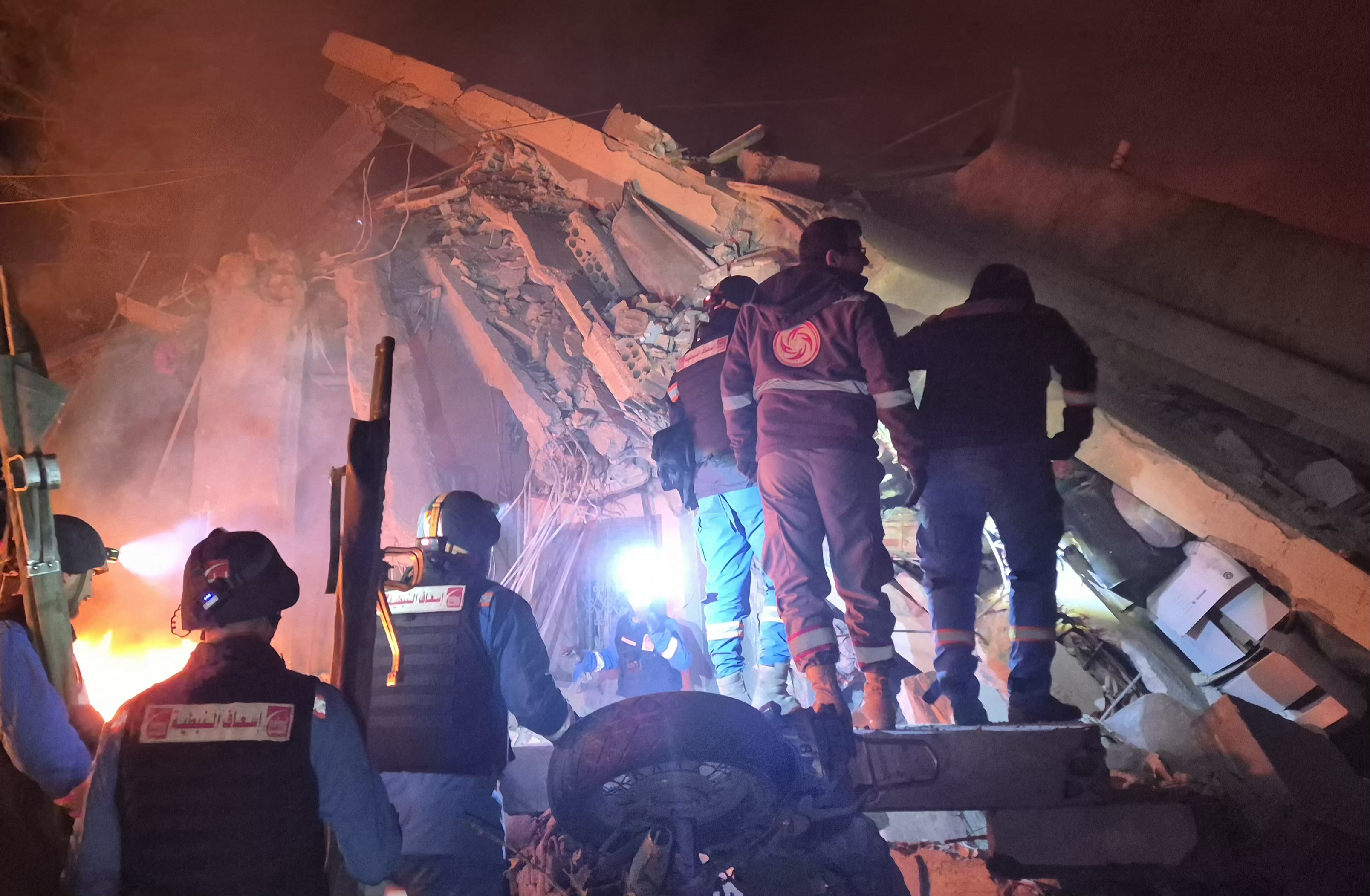
Israeli military operations have further complicated the ceasefire. Israel's recent airstrikes against Lebanon have intensified debates over whether Lebanon was included in the truce agreement. Both Iran and the Pakistani mediators assert that the ceasefire encompasses actions in Lebanon, while the US and Israel maintain it pertains only to direct US-Iran relations. Iran's Supreme Leader, Ayatollah Khamenei, warned of serious consequences for attacks on Iranian interests, emphasizing that retribution would be sought for damages inflicted upon the nation, according to SCMP and Reuters.
As preparations begin for high-level negotiations in Islamabad, there is increasing concern over the ceasefire's durability amid ongoing attacks. Iran has proposed a ten-point settlement framework that includes territorial claims over the Strait of Hormuz and calls for the end of hostilities, which emphasizes their ambition for a robust diplomatic position. Negotiations are expected to address complex regional issues including Israel's military stance towards Hezbollah and its broader implications for peace in Lebanon. Upcoming discussions will aim to clarify each party's commitments and desires for stabilizing the situation, as pointed out by Reuters and Channel News Asia.

Stay informed effortlessly with PRESS AI WORLD, the AI-powered news summarizer that delivers concise, easy-to-read global headlines tailored to your interests.
 SCMP
SCMP  REUTERS
  CHANNELNEWSASIA
  NPR
NPR 
 April 10, 2026


