 Gloria Terra


Notification about latest news from us.

 Published: Sunday, April 05
Updated: Monday, April 06
Published: Sunday, April 05
Updated: Monday, April 06
 4 months ago

Credited from: BBC
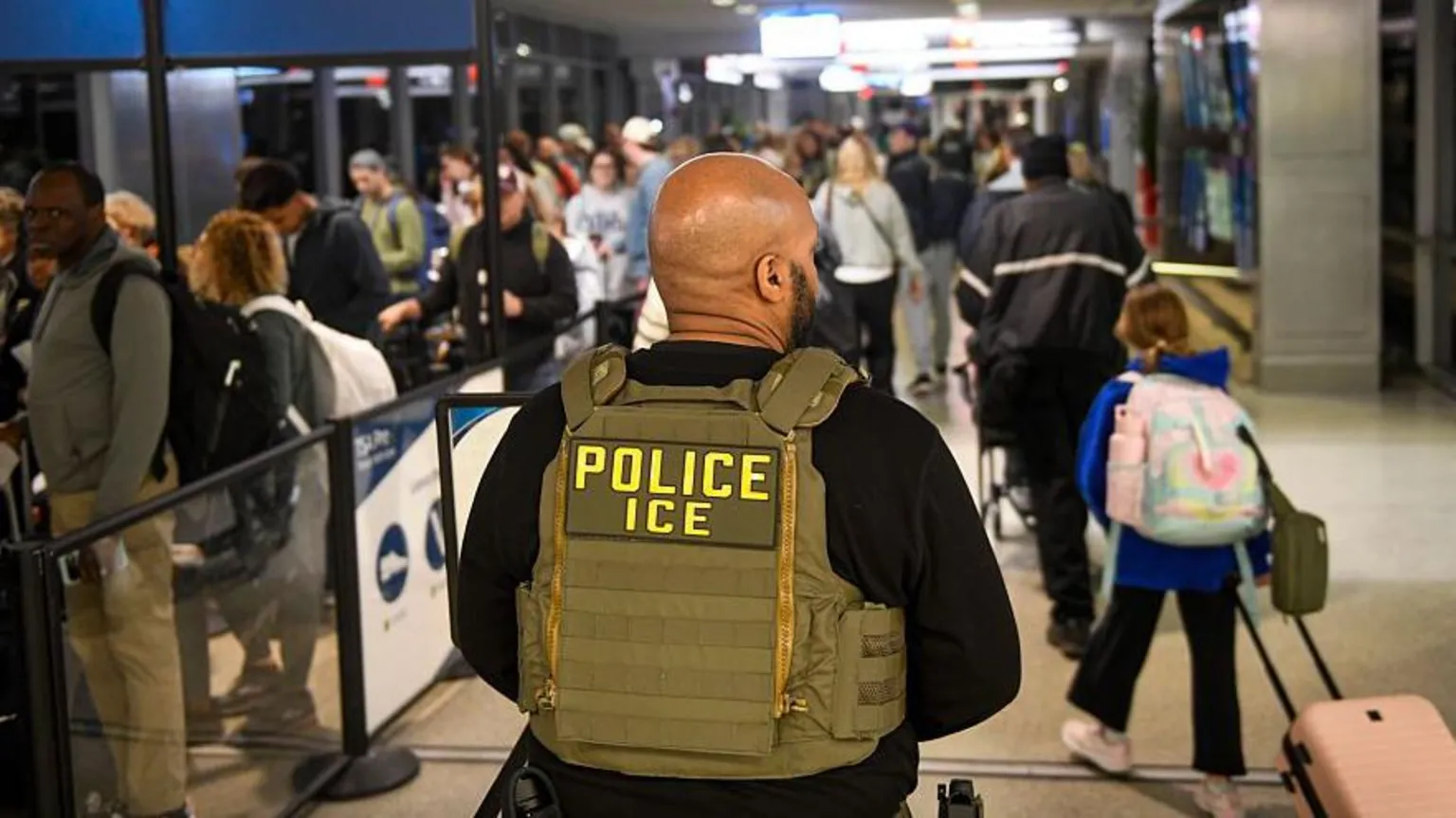
The Democratic Republic of Congo (DR Congo) has confirmed it will begin accepting third-country nationals deported from the United States this month, as part of a new agreement under the Trump administration's immigration strategy. The Congolese Ministry of Communications described the arrangement as a temporary measure that reflects an “international solidarity" commitment, without specifying the number of deportees, according to South China Morning Post, India Times, and BBC.
The US government will bear all logistical costs related to the deportation process, relieving the Congolese government of any financial burden. Facilities to house the deportees have been established near Kinshasa, confirming that they will be prepared for the incoming individuals. The arrangement aligns with efforts by the Trump administration to establish third-country deportation networks across Africa, having already reached similar agreements with several nations, including Ghana and Eswatini, according to South China Morning Post and BBC.
Concerns have arisen regarding the potential treatment of deportees and their rights, particularly because some may have been given court-ordered protections in the US. Critics highlight the legal and ethical implications of transferring migrants to countries where they are not citizens. Human rights organizations have specifically pointed out that agreements with countries such as South Sudan and Equatorial Guinea, which have poor human rights records, could jeopardize the safety of these individuals. The Congolese government stated that each deportation case would be reviewed individually according to the country's laws and national security requirements, according to India Times, South China Morning Post, and BBC.
The timing of the agreement also coincides with broader diplomatic efforts by the Trump administration to enhance relations with DR Congo, including negotiating access to the country’s substantial mineral resources. The arrangement appears to be part of a strategy intertwining migration policies with geopolitical and economic interests in Central Africa, as the US seeks to stabilize the region while ensuring it also meets its own resource needs, as noted by BBC and South China Morning Post.

Stay informed effortlessly with PRESS AI WORLD, the AI-powered news summarizer that delivers concise, easy-to-read global headlines tailored to your interests.
 INDIATIMES
  SCMP
SCMP  BBC
BBC 
 April 05, 2026


