 Atlas Winston


Notification about latest news from us.

 Published: Tuesday, July 07
Updated: Tuesday, July 07
Published: Tuesday, July 07
Updated: Tuesday, July 07
 3 months ago

Credited from: ALJAZEERA
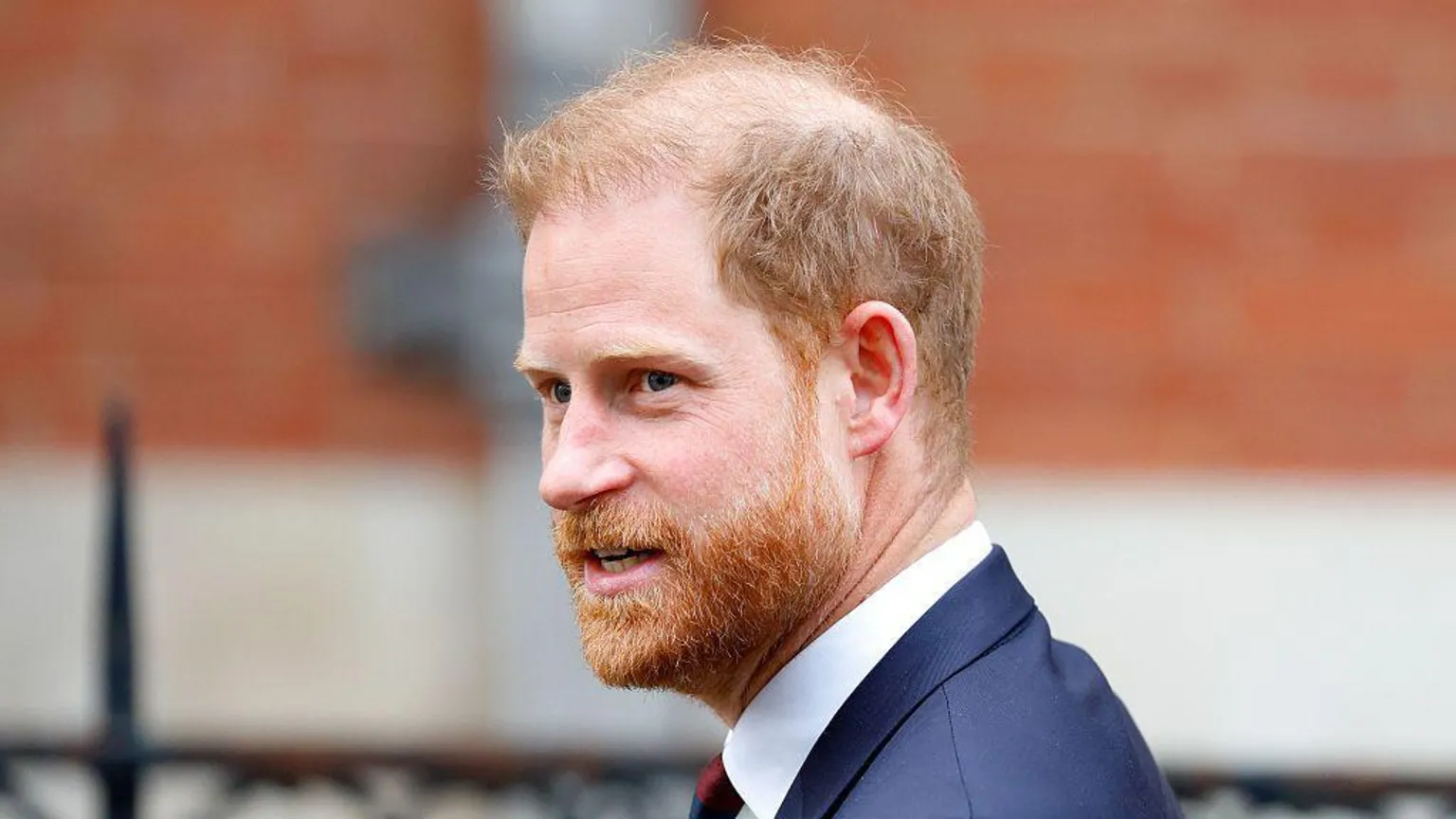
Prince Harry, along with several other prominent figures, has lost his privacy lawsuit against the publisher of the Daily Mail, Associated Newspapers. The UK High Court's decision, delivered by Justice Matthew Nicklin, stated that the claimants failed to provide sufficient evidence to prove their allegations of unlawful information gathering by the publishers. Justice Nicklin noted that the claimants' "suspicion, even where understandable," was not enough to substantiate their claims, ruling that they could not rely on assumptions about the sourcing of information in articles published over the years, according to Al Jazeera, South China Morning Post, and CBS News.
The lawsuit was significant as it involved multiple high-profile claimants, including singer Elton John and actress Elizabeth Hurley. They alleged that the Daily Mail and the Mail on Sunday resorted to illegal practices such as phone tapping and infiltration of personal privacy. However, Associated Newspapers maintained throughout the trial that the articles were based on reliable sources and called the entire situation an overwhelming victory, according to India Times and Le Monde.
During the January trial, Harry expressed the emotional impact of media surveillance on his life, stating, "They have made my wife’s life an absolute misery." Despite these claims, the court's ruling dismissed all 97 allegations made by Harry and the other plaintiffs as lacking credible evidence. The judge's decision has been characterized as a vindication for the Daily Mail, which described the court's action as a rejection of the serious accusations leveled against its journalists, according to BBC and South China Morning Post.
This ruling signifies the conclusion of Prince Harry's legal endeavors against British tabloids regarding privacy invasion, having previously taken action against other media entities and receiving settlements in some instances. Harry's ongoing disputes with the press, which he feels adversely affected his family, have been a notable aspect of his public life, aligning with sentiments expressed about media intrusions, according to India Times and Le Monde.


 October 06, 2026
 October 06, 2026
Stay informed effortlessly with PRESS AI WORLD, the AI-powered news summarizer that delivers concise, easy-to-read global headlines tailored to your interests.

 ALJAZEERA
  SCMP
SCMP  CBSNEWS
  INDIATIMES
  LEMONDE
  BBC
BBC 


