
 Atlas Winston


Notification about latest news from us.

 Published: Friday, May 08
Updated: Sunday, May 10
Published: Friday, May 08
Updated: Sunday, May 10
 2 months ago

Credited from: LEMONDE
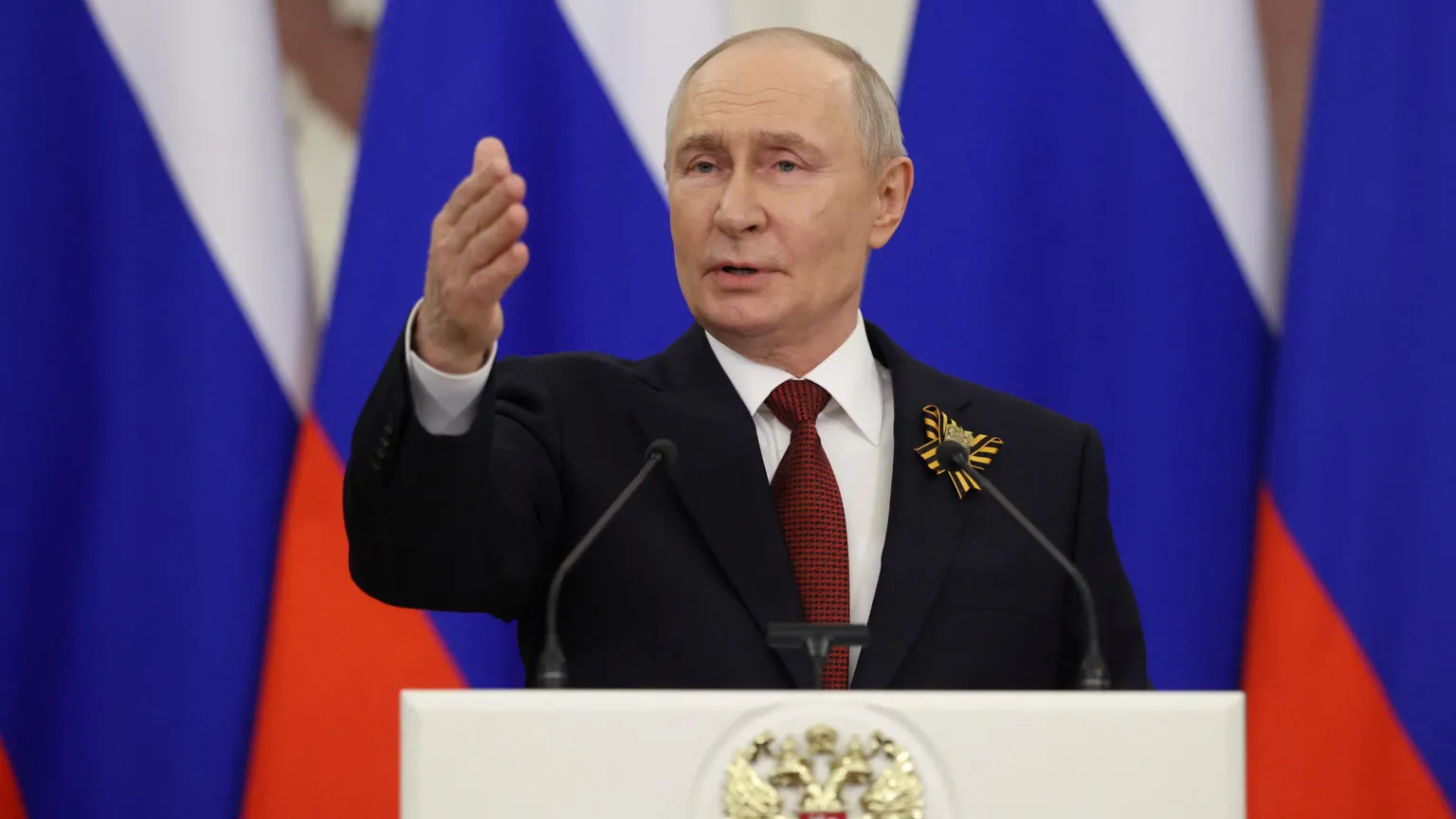
Russian President Vladimir Putin oversaw a scaled-back Victory Day parade in Moscow on May 9, marking the defeat of Nazi Germany while addressing security concerns from ongoing hostilities in Ukraine. Notably, this year’s parade lacked any military hardware for the first time in nearly two decades, a decision attributed to recent threats from Ukrainian long-range attacks. Kremlin spokesman Dmitry Peskov indicated this change was due to the "current operational situation," emphasizing the need for added precautions against potential Ukrainian strikes, according to lemonde and aljazeera.
Despite concerns, the parade proceeded under a three-day ceasefire announced by US President Donald Trump, allowing both Russian and Ukrainian forces to exchange 1,000 prisoners each. Trump expressed hope that this ceasefire could be a step toward resolving the prolonged conflict, describing it as the potential "beginning of the end" of the war, as reported by CBS News and Channel News Asia.
In his address during the parade, Putin framed the conflict in Ukraine as a fight against an "aggressive force" supported by NATO, labeling his military goals as "just." He asserted that "Victory has always been and will be ours," to a mixed reception amidst heightened frustrations about the ongoing war and internet disruptions in Moscow, according to SCMP and BBC.
Security measures included increased presence of military personnel and intermittent internet shutdowns, reflecting the Russian government’s caution against disruptions of the parade. Reports emerged of considerably fewer foreign dignitaries attending the event compared to previous years, with leaders from Belarus, Malaysia, Laos, Uzbekistan, and Kazakhstan being the most prominent participants, as per NPR and lemonde.
Putin’s remarks about the war included a declaration that the conflict was nearing its end, while he criticized Western nations for their military support to Ukraine. He hinted at a potential meeting with Ukrainian President Volodymyr Zelensky but insisted any discussions would only occur once a lasting peace agreement was established, as stated by Channel News Asia and BBC.


 August 08, 2026
Stay informed effortlessly with PRESS AI WORLD, the AI-powered news summarizer that delivers concise, easy-to-read global headlines tailored to your interests.
 LEMONDE
  ALJAZEERA
  SCMP
SCMP  BBC
BBC  NPR
NPR  CHANNELNEWSASIA
  CBSNEWS


