 Atlas Winston


 Published: Friday, May 08
Updated: Saturday, May 09
Published: Friday, May 08
Updated: Saturday, May 09
 3 months ago

Credited from: LEMONDE
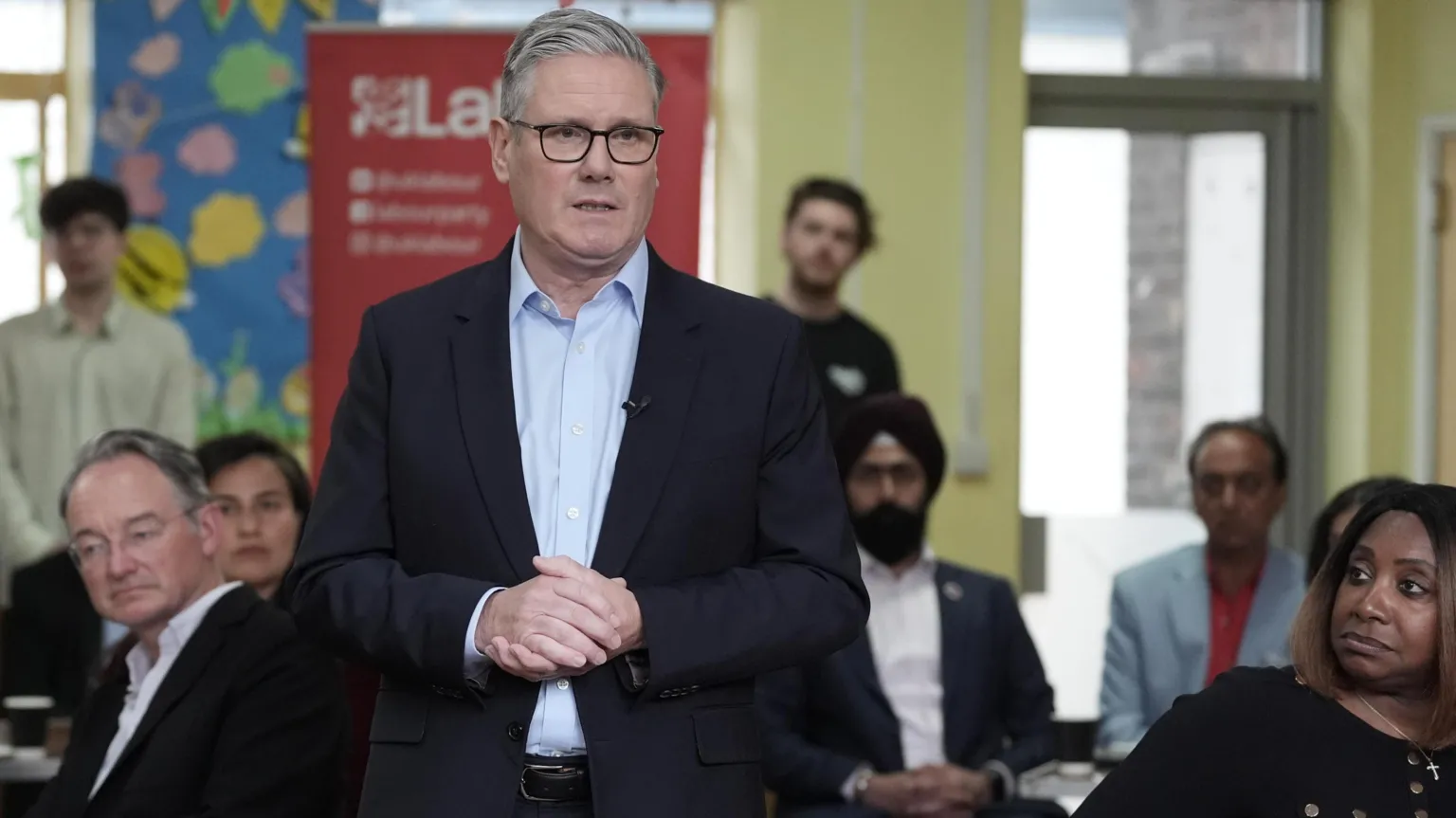
The UK local elections have resulted in historic losses for the Labour Party, led by Prime Minister Keir Starmer, as the populist Reform UK party made considerable gains. By late Friday, Labour had suffered losses of more than 1,100 council seats across England, suffering its worst electoral defeat in history, while Reform UK emerged as a considerable force, claiming over 1,400 seats and gaining control of several councils, including its first in London, according to Reuters, Al Jazeera, and India Times.
Starmer vowed to remain as prime minister despite mounting pressure for his resignation, stating, "I'm not going to walk away and plunge the country into chaos," during a press conference following the results, which have left Labour reeling, with many MPs calling for him to set a timetable for his departure, especially given the loss of power in Wales for the first time since 1999, according to BBC and Le Monde.
In the elections, Reform UK not only increased its seat count significantly but also appeared to be well-positioned to challenge Labour and the Scottish National Party, marking a potential shift in the traditional two-party politics of the UK. Nigel Farage, the leader of Reform UK, commented that the elections signal a "truly historic shift in British politics," highlighting the considerable support for right-wing populism, similarly noted by analysts assessing the changes in voter behavior across the country, according to South China Morning Post and Al Jazeera.
Labour's losses were particularly severe in areas regarded as its strongholds, notably in "Red Wall" regions in northern England where it lost control of councils, such as Tameside and Wigan, emphasizing the changing political dynamics as voters express discontent with Labour's governance and Starmer's leadership. The Green Party also made some gains, further complicating Labour's political standing, indicating a fracturing of the political landscape in the UK, according to Al Jazeera and BBC.
The implications of these election results are substantial, as Labour is now contending with elevated calls for substantial changes in leadership and strategy from within its ranks. Critics suggest that Starmer's leadership style and approach to party unity must evolve to address the discontent among voters and the party itself, highlighted by remarks from several Labour MPs who insist on the necessity for a return to core values that resonate with constituency members. Concerns over Starmer’s controversial decisions, such as the appointment of Peter Mandelson as ambassador to Washington, have further exacerbated dissatisfaction, according to India Times and BBC.


 August 03, 2026
 August 04, 2026


Stay informed effortlessly with PRESS AI WORLD, the AI-powered news summarizer that delivers concise, easy-to-read global headlines tailored to your interests.


 REUTERS
  ALJAZEERA
  LEMONDE
  SCMP
SCMP  INDIATIMES
  BBC
BBC 


