
 Atlas Winston


Notification about latest news from us.

 Published: Wednesday, April 29
Updated: Wednesday, April 29
Published: Wednesday, April 29
Updated: Wednesday, April 29
 3 months ago

Credited from: ALJAZEERA
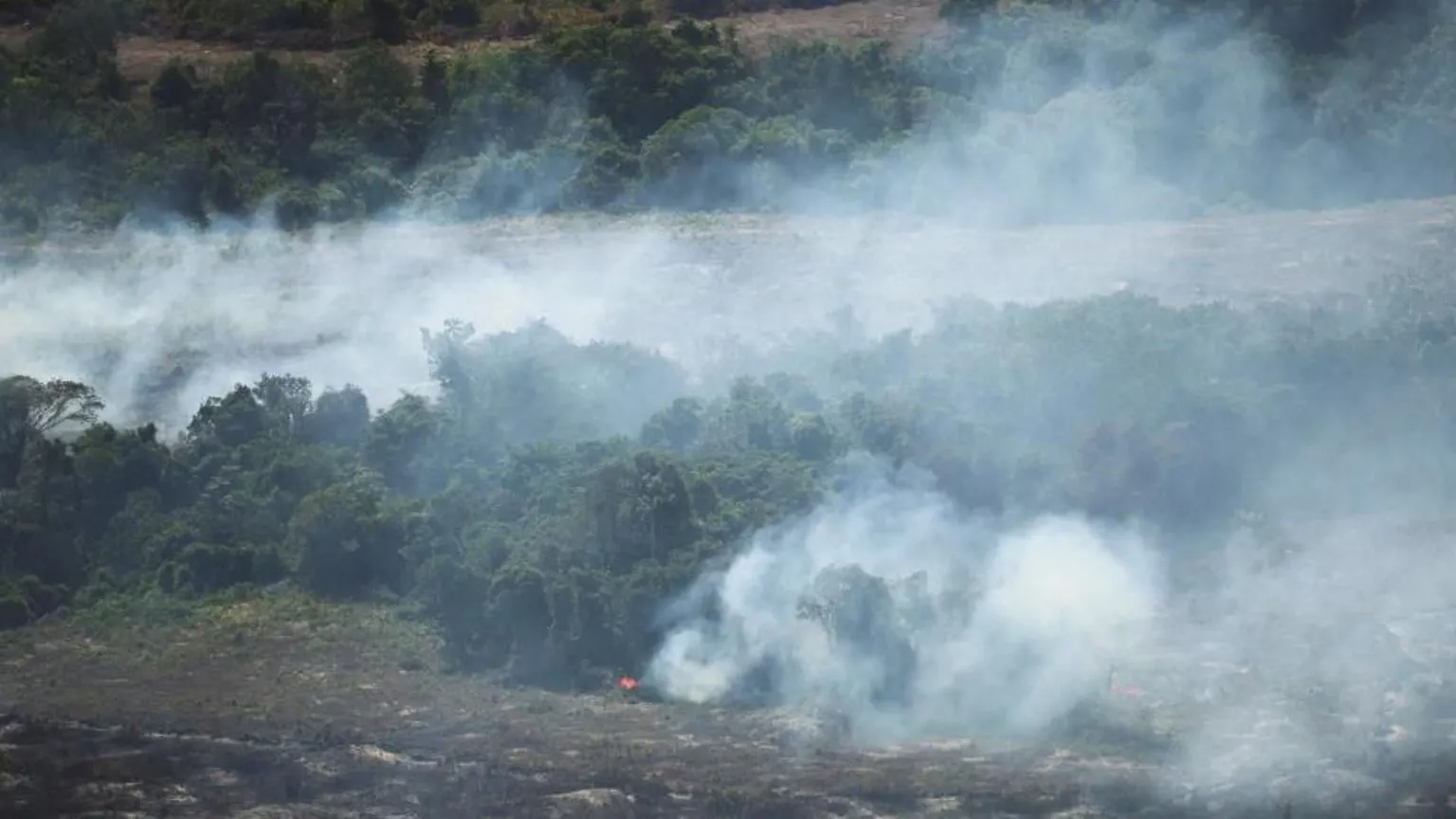
The destruction of tropical rainforests saw a notable decline in 2025, with a recorded loss of 4.3 million hectares, translating to a 36% drop from the previous year’s record high. This decrease reflects the efficacy of governmental initiatives, particularly in Brazil, which has implemented stronger environmental policies aimed at curbing deforestation, according to Channel News Asia, Al Jazeera, South China Morning Post, and BBC.
Experts have highlighted that Brazil's forest loss, excluding fires, has now reached its lowest rate since 2002, largely due to the anti-deforestation initiatives that Brazilian President Luiz Inácio Lula da Silva reactivated upon taking office in 2023. However, agricultural expansion remains the predominant driver of forest clearing, especially for soybean production and cattle ranching, which complicates conservation efforts, as noted by Channel News Asia, Al Jazeera, South China Morning Post, and BBC.
Despite these positive indicators, the overall pace of global forest loss remains alarming, significantly exceeding the targets set by international agreements aiming to halt and reverse forest degradation by 2030. Current losses are about 70% higher than what is needed to meet these commitments, as highlighted by Elizabeth Goldman from the World Resources Institute, according to Channel News Asia and Al Jazeera.
Moreover, there are considerable concerns about the impact of climate change, particularly regarding the anticipated return of the El Niño weather pattern in mid-2025, which is expected to exacerbate conditions favorable for wildfires. Researchers warn that the increased incidence of fires could negate the progress achieved thus far in reducing deforestation rates, leading to another drastic spike in forest loss similar to what was observed in 2024, stated experts from South China Morning Post and BBC.
The latest analysis indicates that while policymakers in Brazil and Colombia have successfully implemented strategies that resulted in decreased forest loss, the challenges of agricultural practices and rising temperatures continue to threaten these vital ecosystems. Fires alone accounted for 42% of global deforestation in 2025, amplifying concerns over the resilience of these forests against climate change, as noted by Channel News Asia, Al Jazeera, South China Morning Post, and BBC.


 July 31, 2026
 July 31, 2026
Stay informed effortlessly with PRESS AI WORLD, the AI-powered news summarizer that delivers concise, easy-to-read global headlines tailored to your interests.

 CHANNELNEWSASIA
  ALJAZEERA
  SCMP
SCMP  BBC
BBC 


