 Gloria Terra


Notification about latest news from us.

 Published: Thursday, April 23
Updated: Friday, April 24
Published: Thursday, April 23
Updated: Friday, April 24
 5 months ago

Credited from: INDIATIMES
The European Union (EU) has officially approved a significant €90 billion (around $106 billion) loan package for Ukraine, aimed at addressing its pressing economic and military needs over the next two years. This landmark decision came after Hungary and Slovakia lifted their vetoes, which had previously stalled the funding, following the resumption of oil flows through the crucial Druzhba pipeline. EU leaders expressed relief at the resolution of this prolonged deadlock, with EU foreign policy chief Kaja Kallas stating, "Deadlock over," reflecting a shared sense of urgency in supporting Ukraine amid ongoing conflict with Russia, according to SCMP, Le Monde, and India Times.
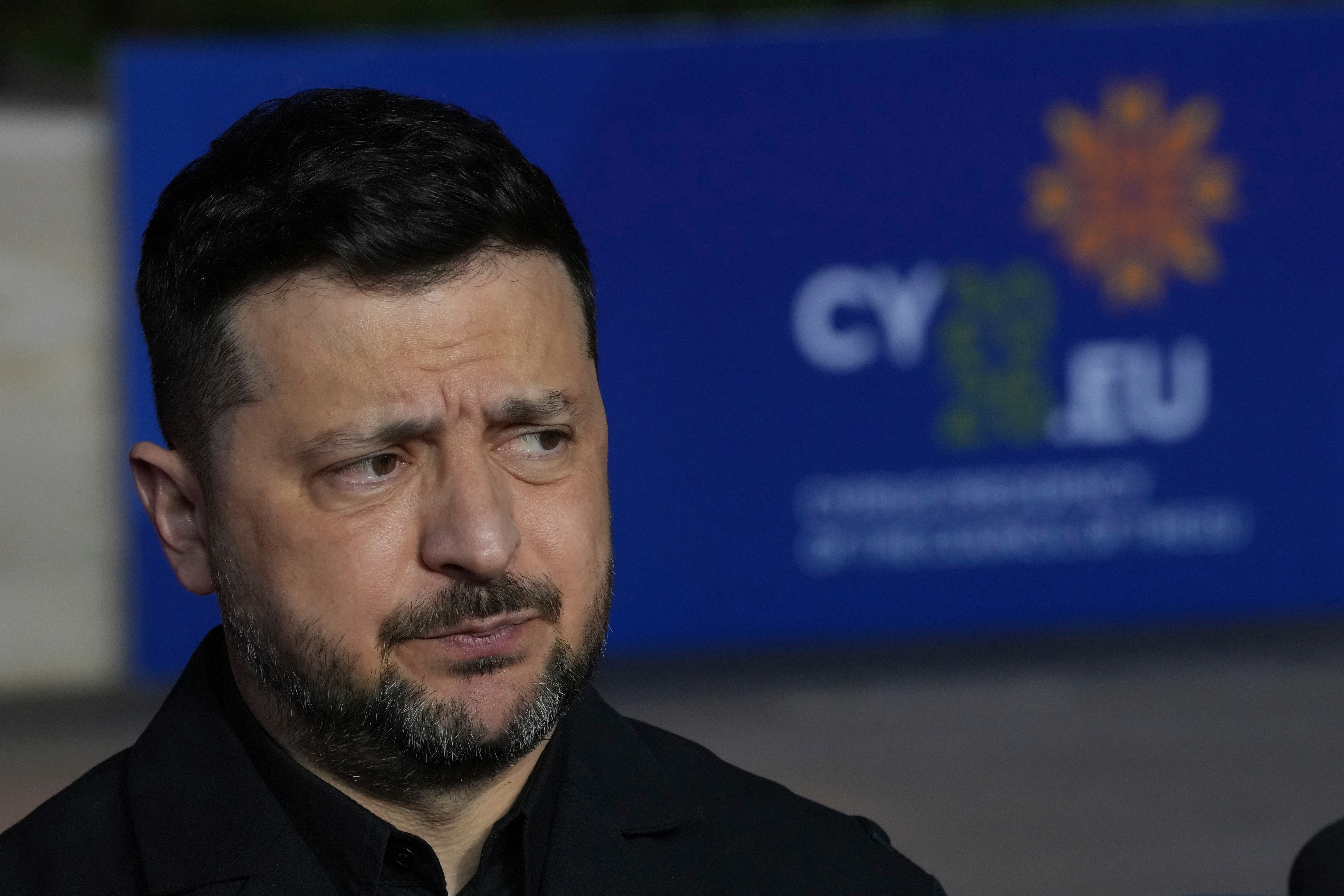
This loan package is expected to provide essential support to Ukraine, which faces a substantial financing gap in the wake of Russia's invasion. Ukrainian President Volodymyr Zelensky welcomed the EU's decision, asserting the importance of this financial certainty for Ukraine's defense efforts and overall stability. "This package will strengthen our army, make Ukraine more resilient, and enable us to fulfill our social obligations to Ukrainians," stated Zelensky, emphasizing the funds’ vital role in addressing both military and budgetary needs, according to Channel News Asia, Los Angeles Times, and NPR.
The agreement to release the funds was contingent upon the repair and subsequent resumption of oil supplies through the Druzhba pipeline, which had been interrupted since January due to political disputes exacerbated by Hungary’s reluctance to support Ukraine. With oil now flowing again, Slovakia's Prime Minister Robert Fico described this as “good news,” indicating a potential thaw in relations between Hungary, Slovakia, and Ukraine, which may strengthen ties within the EU bloc, as detailed by SCMP and Le Monde.
In addition to the loan approval, the EU announced a new round of sanctions aimed at Russia, marking the 20th set of sanctions since the conflict commenced. This sanctions package will target Russia’s energy, banking, and trade sectors, further tightening the economic pressure on the Kremlin. Efforts to enhance the oversight of Russia’s “shadow fleet” and tighten restrictions on its banking activities were highlighted as major components of this latest strategy, reflecting ongoing international efforts to weaken Russia’s capacity to sustain its military operations, according to India Times and Los Angeles Times.


 October 15, 2026
 October 15, 2026
Stay informed effortlessly with PRESS AI WORLD, the AI-powered news summarizer that delivers concise, easy-to-read global headlines tailored to your interests.

 SCMP
SCMP  LEMONDE
  INDIATIMES
  CHANNELNEWSASIA
  LATIMES
  NPR
NPR 


