
 Felix Ledger


Notification about latest news from us.

 Published: Wednesday, March 25
Updated: Thursday, March 26
Published: Wednesday, March 25
Updated: Thursday, March 26
 5 months ago

Credited from: REUTERS
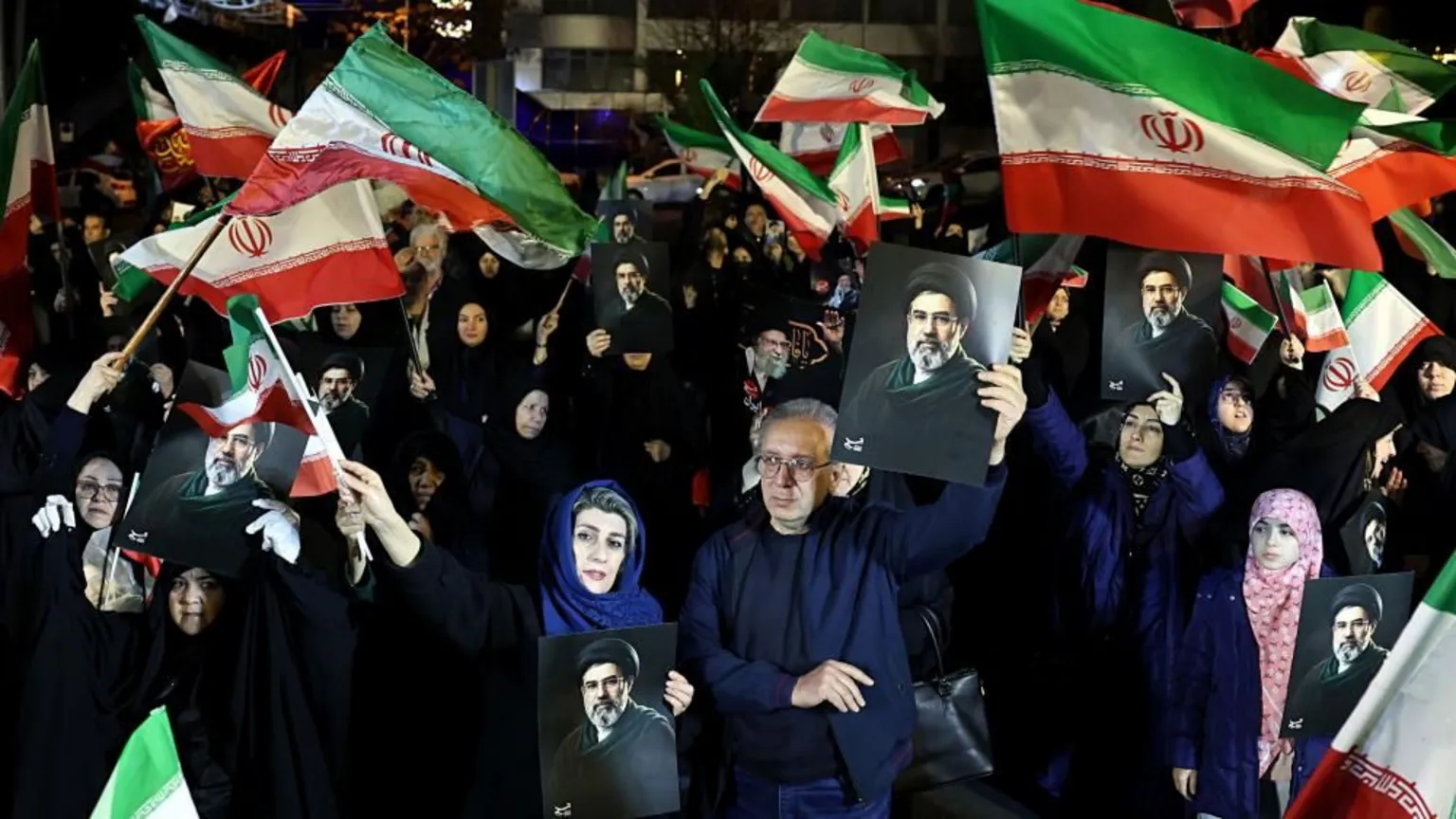
The ongoing military conflict between Iran, the US, and Israel has heightened tensions in the region, with Iran categorically rejecting President Trump's assertion of negotiations. Iranian officials claim that the US is engaged in "negotiating with itself", illustrating a stark divergence in perceptions between Washington and Tehran regarding potential peace talks. This skepticism is rooted in past experiences where the US conducted military strikes shortly after diplomatic discussions had been initiated, fueling a deep mistrust that permeates current relations, according to Channel News Asia and BBC.
Despite ongoing military operations, Trump insists that Iranian leaders desperately want a deal to stabilize the situation, but they are reportedly concerned about facing backlash from their own population. He indicated that their fear of conflict escalation keeps them from openly pursuing talks. Conversely, Iran's Foreign Minister, Abbas Araqchi, confirmed that while messages have been exchanged via intermediaries, there is no active negotiation, emphasizing the lines of communication do not constitute dialogue, according to Reuters and Al Jazeera.
The US has presented a 15-point ceasefire plan to Iran through Pakistan, which demands specific concessions, including disbanding Iran's missile capabilities and curtailing its support for regional proxies, in exchange for sanctions relief and assistance in civilian nuclear energy. This proposal has caused mixed reactions and concerns amongst various stakeholders, as its terms are seen as difficult for Iran to accept. The proposals aim to restore a degree of control over Iran's nuclear activity and have been met with Iranian skepticism as they fear a repeat of previous failures in negotiations, amidst calls for reparations and security guarantees, according to Al Jazeera and Channel News Asia.
The ongoing strikes have severely impacted the global energy market, creating the worst energy shock in history, which has seen oil prices escalate significantly due to fears of supply disruption from the Strait of Hormuz—a crucial shipping lane for a significant portion of the world’s oil. As of now, the conflict has caused at least 1,500 fatalities in Iran and exacerbated economic troubles worldwide, with nations grappling with rising costs and supply chain disruptions. The International community is increasingly anxious about the potential for wider conflict in the region, as articulated by UN Secretary-General Antonio Guterres, who has called for a shift towards diplomatic efforts, according to Reuters and Al Jazeera.


 September 24, 2026
Stay informed effortlessly with PRESS AI WORLD, the AI-powered news summarizer that delivers concise, easy-to-read global headlines tailored to your interests.
 CHANNELNEWSASIA
  ALJAZEERA
  BBC
BBC  REUTERS


