
 Gloria Terra


Notification about latest news from us.

 Published: Thursday, February 26
Updated: Thursday, February 26
Published: Thursday, February 26
Updated: Thursday, February 26
 7 months ago

Credited from: SCMP
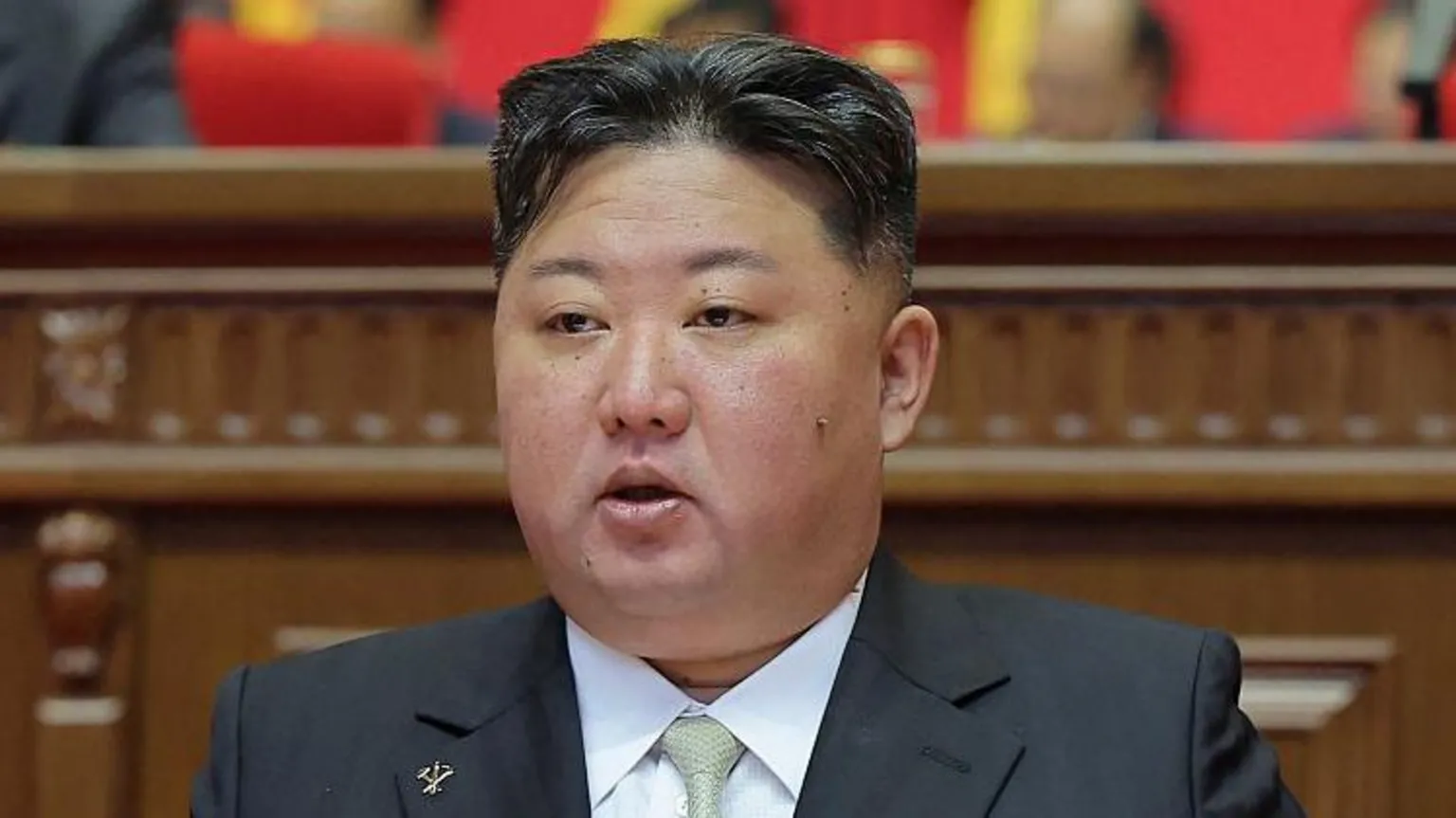
North Korean leader Kim Jong Un has stated that the future of relations between North Korea and the United States "depends entirely on the attitude of the United States," emphasizing that the prospects for dialogue hinge on Washington's willingness to respect Pyongyang’s status as a nuclear-armed state. During a recent military parade celebrating the end of the country’s Ninth Workers' Party Congress, he asserted, "If the US withdraws its hostile policy ... there is no reason why we cannot get along well with the US," according to Channel News Asia and South China Morning Post.
At this congress, Kim outlined North Korea's ambitions to expand its nuclear arsenal significantly. He expressed a determination to increase the number of nuclear weapons and to develop stronger intercontinental ballistic missiles, stating, "It is our party's firm will to further expand and strengthen our national nuclear power," according to Al Jazeera and BBC. This aligns with the Stockholm International Peace Research Institute's estimate that North Korea has around 50 nuclear warheads and enough fissile material for 40 more, as they accelerate their production capabilities.
Despite leaving an opening for potential US negotiations, Kim firmly closed the door on dialogue with South Korea, labeling it the "most hostile entity." He claimed that North Korea could "completely destroy" South Korea if provoked, emphasizing, "There is absolutely nothing to discuss," as stated in reports from Channel News Asia and South China Morning Post.
The military parade showcased not only the country's military strength but also included the presence of Kim's daughter, Ju Ae, which has sparked speculation about her potential as his successor. Analysts suggest that her visibility at such events may signal a step towards a familial succession plan within North Korea’s leadership, as observed in reports from Al Jazeera and BBC.
Kim's comments during the Congress also highlighted the regime's strategic positioning against the backdrop of regional tensions, particularly with an emphasis on the necessity of maintaining a formidable military presence in light of perceived threats. If Washington chooses to continue its current policies, Kim warned that North Korea would respond "proportionally," affirmed Kim during his address, reflecting a persistent stance on military readiness, according to Channel News Asia and South China Morning Post.


 October 09, 2026
 October 10, 2026


Stay informed effortlessly with PRESS AI WORLD, the AI-powered news summarizer that delivers concise, easy-to-read global headlines tailored to your interests.

 CHANNELNEWSASIA
  SCMP
SCMP  ALJAZEERA
  BBC
BBC 


