
 Gloria Terra


Notification about latest news from us.

 Published: Wednesday, January 21
Updated: Wednesday, January 21
Published: Wednesday, January 21
Updated: Wednesday, January 21
 8 months ago

Credited from: ALJAZEERA
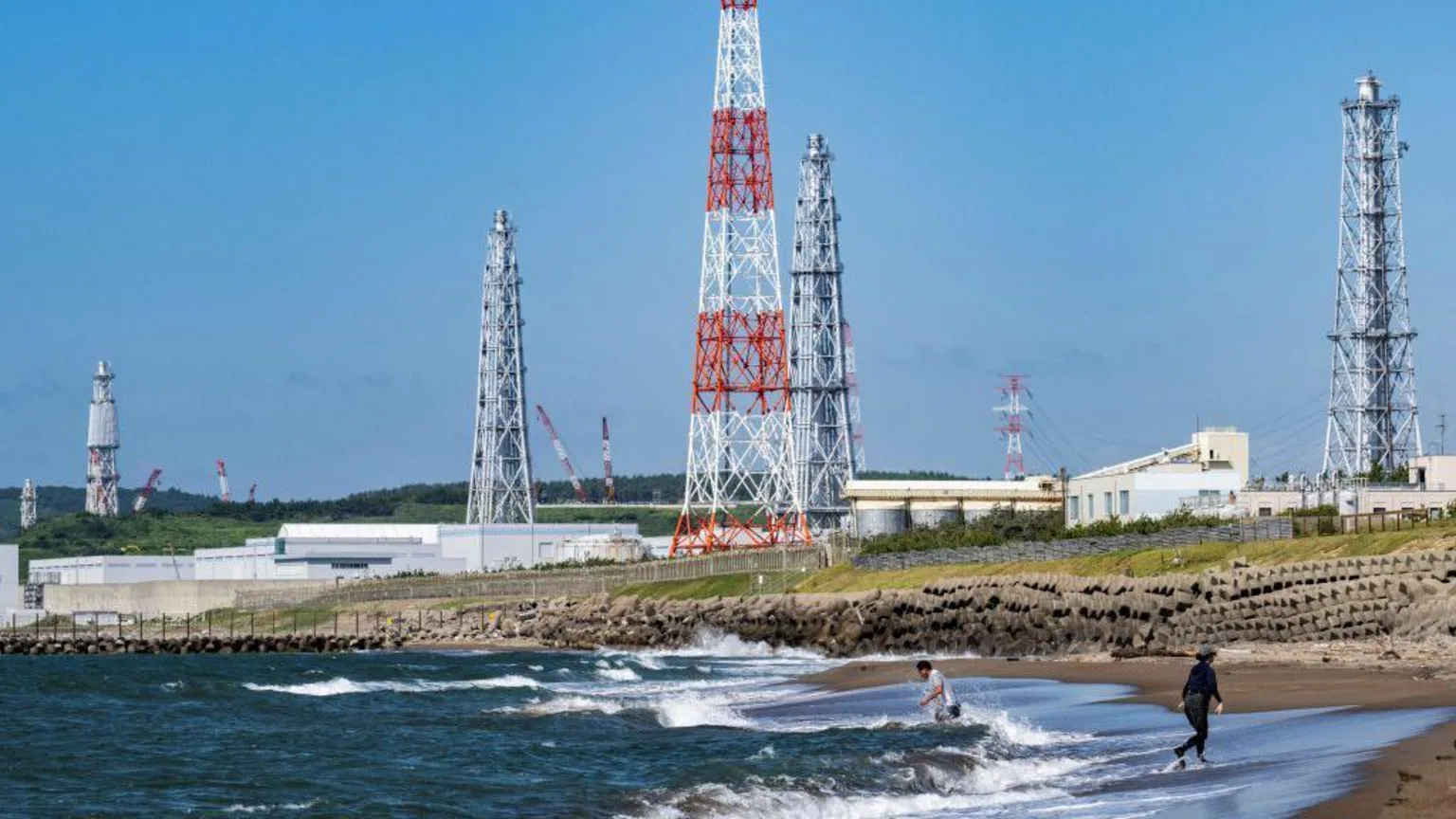
Japan has announced the restart of the Kashiwazaki-Kariwa Nuclear Power Plant, the world's largest by installed capacity, nearly 15 years after the Fukushima disaster forced a nationwide shutdown of nuclear reactors. The restart, which involves only one of the seven reactors, was delayed by a day due to an alarm malfunction, but is now expected to provide 8.2 gigawatts of electricity, enough to power millions of homes. This decision marks a significant step in Japan's effort to rebuild its nuclear energy capabilities in response to growing energy demands and the need for a stable energy supply, as highlighted by Prime Minister Sanae Takaichi's supportive stance on nuclear energy's role in achieving carbon neutrality by 2050, according to Channel News Asia, Al Jazeera, and BBC.
Despite the restart, safety concerns among residents persist, stemming from the catastrophic events in 2011 when a massive earthquake and tsunami led to meltdowns at the Fukushima plant. A petition against the restart, signed by nearly 40,000 individuals, emphasizes worries over potential seismic activity affecting the Kashiwazaki-Kariwa facility, which is situated on an active fault line. Local sentiment is largely skeptical, with surveys indicating that more than 60% of the region's residents oppose the restart, underlining a significant distrust in TEPCO, the plant's operator, according to Channel News Asia and Al Jazeera.
The Kashiwazaki-Kariwa plant has undergone extensive safety upgrades, including the installation of a 15-meter-high tsunami wall and the development of an emergency power system designed to withstand future natural disasters. Despite these enhancements, public protests reflect a deep-seated anxiety over the plant's readiness and TEPCO's commitment to safety, particularly after the corporation's dubious past, including scandals involving data manipulation related to seismic risks. Critics fear that reliance on TEPCO’s assurances may not be adequate in the face of potential disasters, according to Al Jazeera and BBC.
The restart of this reactor marks the latest chapter in Japan's challenging journey to revive its nuclear energy infrastructure. Following the Fukushima disaster, the country suspended its entire fleet of 54 reactors and has only restarted 15 out of the 33 that remain operable. The government aims to increase nuclear's share in the energy mix to about 20% by 2040, but financial pressures and public resistance present ongoing hurdles to these ambitions, particularly given the soaring costs associated with enhanced safety measures. Environmental experts express skepticism over whether these targets can be met during such turbulent times, according to Channel News Asia, Al Jazeera, and BBC.


 January 21, 2026
US Approves $2.3 Billion Sale of Aircraft and Torpedoes to Singapore
January 21, 2026
Netanyahu Joins Trump's "Board of Peace" Amid International Concerns
January 21, 2026
US Approves $2.3 Billion Sale of Aircraft and Torpedoes to Singapore
January 21, 2026
Netanyahu Joins Trump's "Board of Peace" Amid International Concerns


 October 15, 2026
 October 13, 2026

Stay informed effortlessly with PRESS AI WORLD, the AI-powered news summarizer that delivers concise, easy-to-read global headlines tailored to your interests.

 CHANNELNEWSASIA
  ALJAZEERA
  BBC
BBC 


