
 Gloria Terra


Notification about latest news from us.


Credited from: BBC
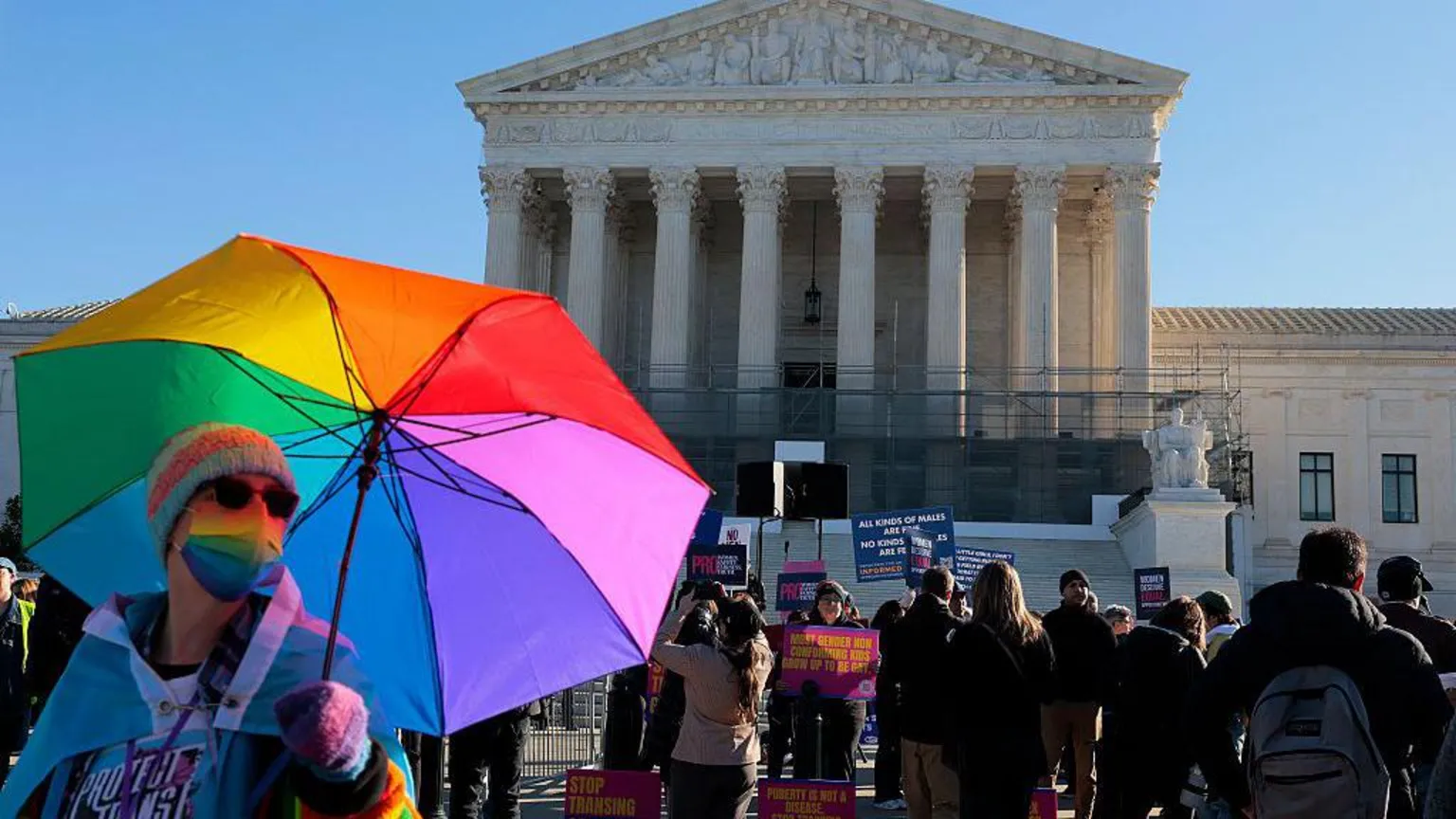
The US Supreme Court is currently debating the legality of laws from Idaho and West Virginia that prohibit transgender athletes from participating in girls' and women's sports. These state laws require teams to be designated based on biological sex, thereby restricting transgender females from competing on teams that align with their gender identity. As of now, 27 states have enacted similar bans, asserting that biological sex is critical in athletic competition, which supporters claim protects the integrity of women's sports. This legal battle represents an essential moment in discussions surrounding gender equality within athletics, as the court prepares to make a significant ruling by summer 2026, according to Reuters, Los Angeles Times, and NPR.
Diverse opinions emerged from the justices during recent hearings, indicating a leaning towards upholding these state bans. Idaho Solicitor General Alan Hurst argued that "biological males are, on average, bigger, stronger, and faster than biological females," a sentiment echoed by West Virginia's legal representatives emphasizing the need to protect female athletes from perceived disadvantages in competitive contexts. Justice Brett Kavanaugh remarked on the division among states regarding transgender athletes, suggesting the matter may be best left to state discretion, reports CBS News, ABC News, and Le Monde.
Critically, the cases center around two individual athletes: Lindsay Hecox, a 25-year-old college student in Idaho, and Becky Pepper-Jackson, a 15-year-old high school student in West Virginia. Both have challenged their states' bans in court, claiming that such restrictions violate their rights under Title IX and the Equal Protection Clause of the Constitution. The court will need to much consider whether laws that exclude transgender athletes from women's sports can withstand scrutiny given the arguments that signpost discrimination against an inherent identity, as expressed in filings and legal discussions, according to BBC, Los Angeles Times, and CBS News.
The arguments made by both sides reflect a broader societal divide over the rights of transgender individuals in competitive environments. Supporters of the bans assert that female athletes’ rights and safety are at stake, while opponents argue that exclusionary policies are discriminatory and counter to the principles of equality championed in Title IX. As detailed in the hearings, the implications of the court's decision will resonate beyond Idaho and West Virginia into a nationwide conversation about gender, rights, and equity in sports, noted by ABC News, NPR, and Le Monde.


 October 14, 2026

 October 15, 2026
Stay informed effortlessly with PRESS AI WORLD, the AI-powered news summarizer that delivers concise, easy-to-read global headlines tailored to your interests.
 Published: Tuesday, January 13
  9 months ago
 REUTERS
  CBSNEWS
  LATIMES
  NPR
NPR  LEMONDE
  ABCNEWS
  BBC
BBC 


