
 Viola Heart


Notification about latest news from us.

 Published: Tuesday, December 16
Updated: Tuesday, December 16
Published: Tuesday, December 16
Updated: Tuesday, December 16
 7 months ago

Credited from: LEMONDE
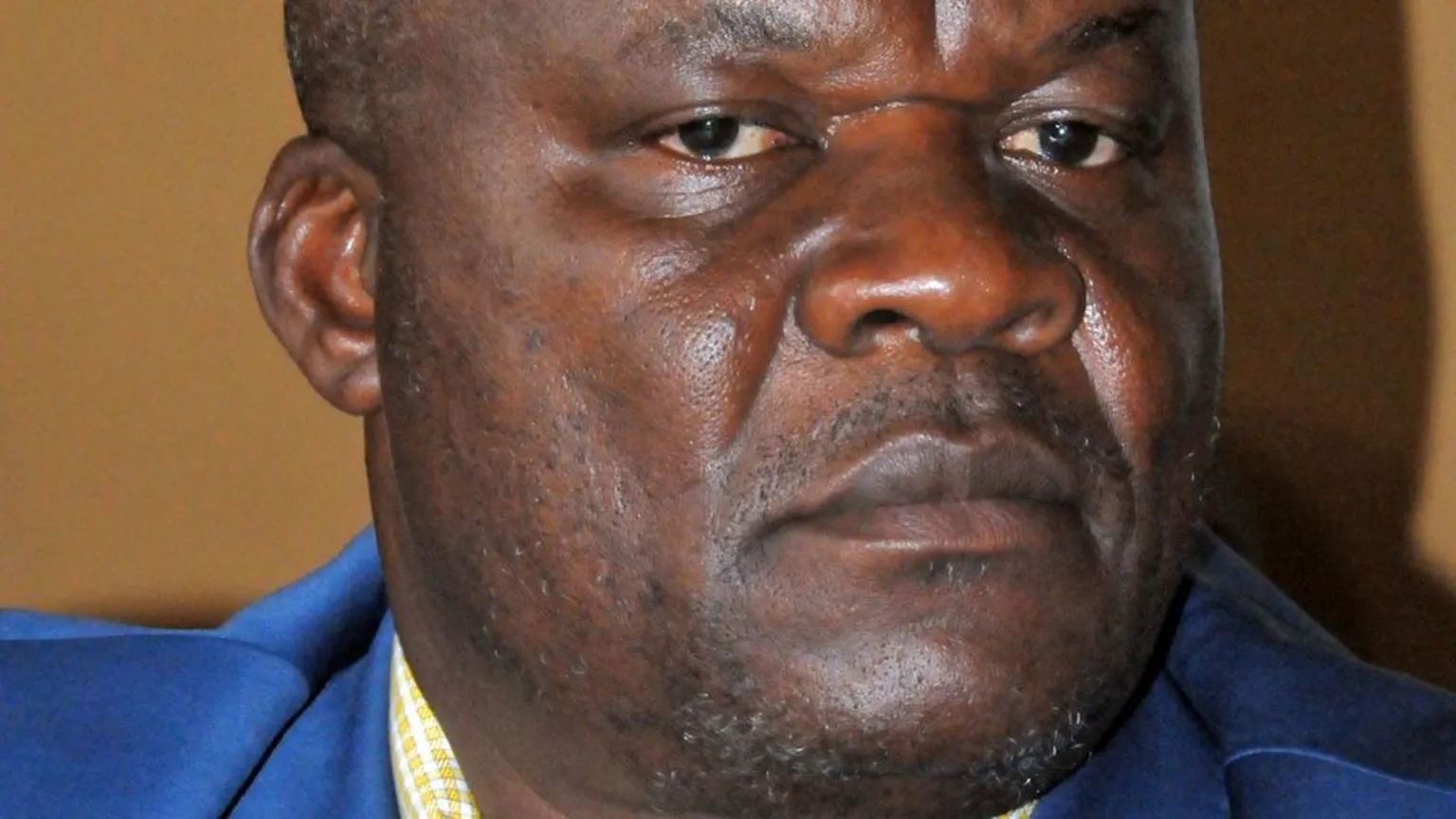
Roger Lumbala, a former rebel leader from the Democratic Republic of Congo (DRC), was sentenced to 30 years in prison by a Paris court after being found guilty of complicity in crimes against humanity stemming from the Second Congo War. Court President Marc Sommerer announced the ruling on December 15, following a deliberation that lasted approximately eight hours. This landmark ruling symbolizes a significant move toward justice for the numerous atrocities committed during a tumultuous period in Congolese history, with Lumbala's actions highlighted during a military operation between 2002 and 2003, which targeted innocent civilians, according to Reuters, Le Monde, and Africanews.
The trial was conducted under France’s universal jurisdiction laws, which permit a state to prosecute serious crimes regardless of where they took place. Lumbala, aged 67, was found guilty of ordering and aiding numerous atrocities, including torture, rape, sexual slavery, and forced labor, with victims describing horrific experiences inflicted upon them by his forces. This verdict is particularly crucial as it represents the first instance where a national court has convicted a suspect for crimes committed in Congo, unlike previous cases that were only tried by the International Criminal Court, according to BBC, Reuters, and Africanews.
During the proceedings, over sixty survivors and witnesses testified about the lasting impact of the violence they endured, with many expressing a sense of relief following the sentencing. Philippe, a participant in the trial, stated, "I thank the French justice system, which tried Roger Lumbala, a warlord whose men killed my father," marking the verdict as a significant step against impunity for such heinous acts. This sentiment was echoed by many as they highlighted the importance of pursuing justice for victims of war crimes, as reported by Le Monde and BBC.
Lumbala, who was arrested in January 2021, has consistently refused to acknowledge the authority of the French court and did not attend the entire trial but was present to hear the verdict. Following the sentencing, he has ten days to lodge an appeal. His case has underscored the capacity of national courts to take action against individuals for crimes committed internationally, signaling a potential shift in how such cases may be handled in the future, according to Reuters, Africanews, and Le Monde.


 July 31, 2026
 July 29, 2026
Stay informed effortlessly with PRESS AI WORLD, the AI-powered news summarizer that delivers concise, easy-to-read global headlines tailored to your interests.
 REUTERS
  LEMONDE
  AFRICANEWS
  BBC
BBC 


