
 Gloria Terra


Notification about latest news from us.

 Published: Thursday, November 27
Updated: Friday, November 28
Published: Thursday, November 27
Updated: Friday, November 28
 10 months ago

Credited from: BLOOMBERG
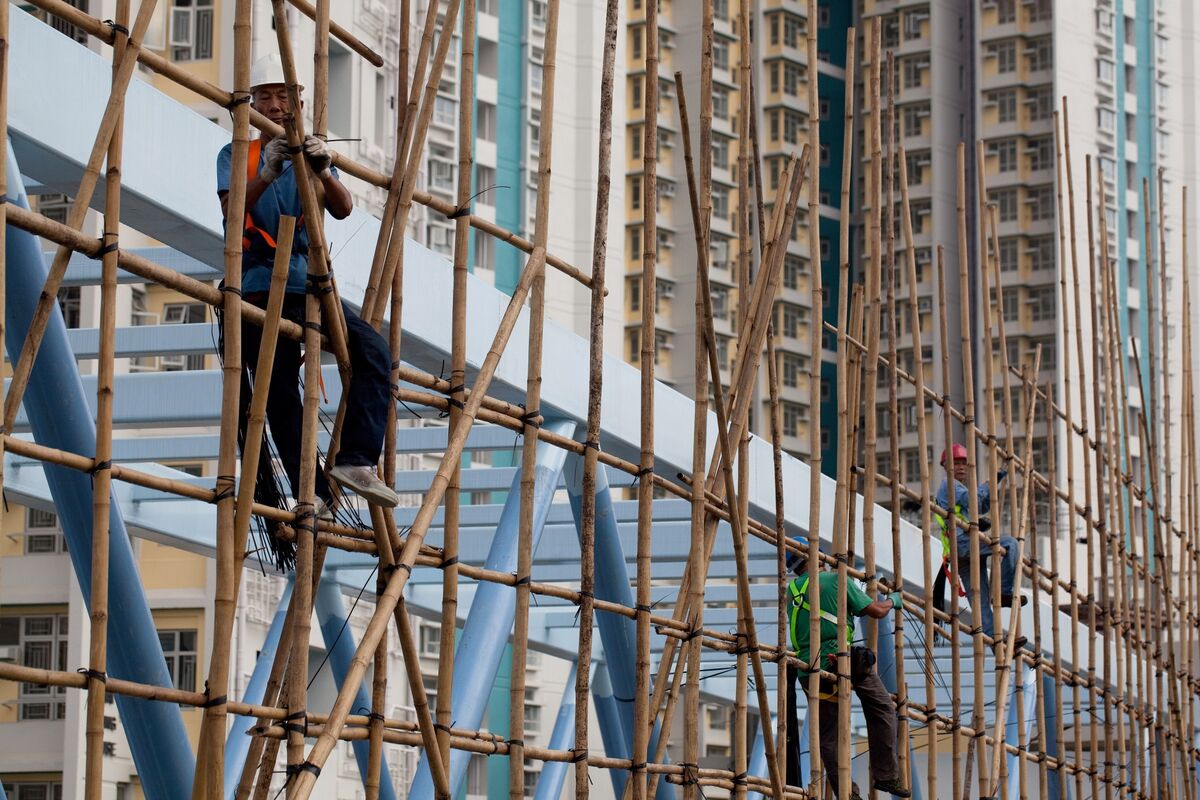
The deadly fire at Wang Fuk Court in Tai Po has prompted renewed discussions on the safety of bamboo scaffolding, which has been a hallmark of Hong Kong's construction methods. At least 55 people have died, marking it as the deadliest fire in over a century. As investigations proceed, attention is drawn to the role of bamboo scaffolding in facilitating rapid fire spread during the incident, raising significant safety concerns regarding its continued use, according to South China Morning Post, Al Jazeera, and Bloomberg.
The fire's rapid escalation is attributed in part to the construction materials used alongside the bamboo scaffolding. While bamboo is recognized for its lightweight and strong properties, it is also combustible, which contributed to the fire's severity. Critics argue that the use of bamboo, combined with substandard materials like flammable Styrofoam, created a disaster waiting to happen, a sentiment echoed by experts who underline that construction methods must shift towards safer alternatives, according to South China Morning Post, Al Jazeera, and Bloomberg.
Experts emphasize that while bamboo has a long-standing tradition in Hong Kong's building practices, the ongoing use of bamboo scaffolding must be reevaluated to enhance safety. The government has indicated plans to phase it out in favor of more contemporary, non-combustible materials. A significant aspect of the debate centers around who is accountable for enforcing these changes within the construction industry, as existing regulations have not effectively prevented such tragedies, according to South China Morning Post, Al Jazeera, and Bloomberg.
The incident has intensified calls for improved safety protocols and training within the construction industry, with industry veterans arguing that the safety issues stem more from lax regulation and insufficient training than from the bamboo itself. This perspective maintains that bamboo can be used safely if proper measures are enforced, but critics call for an overall shift to non-combustible materials to ensure public safety following the tragedy, as highlighted in multiple reports from South China Morning Post, Al Jazeera, and Bloomberg.


 November 27, 2025
Pope Leo XIV Begins First International Trip to Türkiye and Lebanon
November 27, 2025
Pope Leo XIV Begins First International Trip to Türkiye and Lebanon
 October 14, 2026

 October 13, 2026
 October 14, 2026
Stay informed effortlessly with PRESS AI WORLD, the AI-powered news summarizer that delivers concise, easy-to-read global headlines tailored to your interests.

 SCMP
SCMP  ALJAZEERA
  BLOOMBERG


