
 Gloria Terra


Notification about latest news from us.

 Published: Wednesday, November 26
Updated: Wednesday, November 26
Published: Wednesday, November 26
Updated: Wednesday, November 26
 10 months ago

Credited from: SCMP
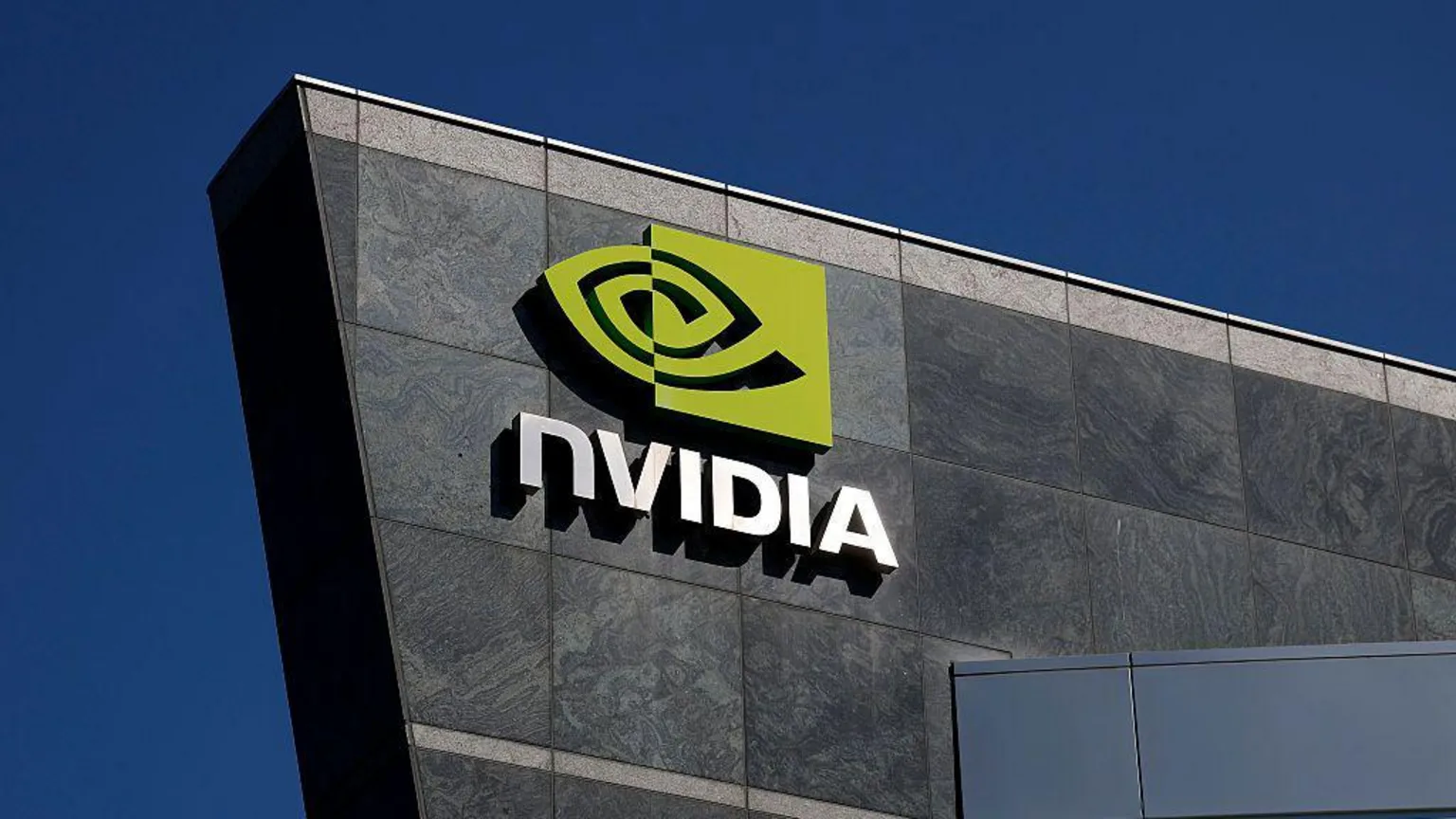
Nvidia's market value has plummeted by over $250 billion in response to reports that Meta Platforms is considering using Google's AI chips, specifically Tensor Processing Units (TPUs), for its data centres. Following this development, Nvidia's shares saw a significant decline of nearly 6%, while Alphabet, Google's parent company, experienced a corresponding rise in stock value, indicating a shift in investor sentiment towards Google's technology as a potential rival to Nvidia's dominance in AI hardware, according to Indiatimes and SCMP.
The situation escalated as reports surfaced that Meta is exploring using Google’s TPUs for data centres as early as 2027, further intensifying competitive pressure on Nvidia. Analysts suggest that if Meta adopts this technology, it could significantly diminish Nvidia's market share, currently held due to its GPUs, which command over 90% of the AI accelerator market. Google's chips have garnered attention after the success of its Gemini 3 AI model, which was trained entirely on TPUs, positioning them as viable alternatives in the AI hardware landscape, according to Indiatimes and BBC.
In response to the mounting competition, Nvidia issued a public statement asserting that it remains "a generation ahead" of its rivals, emphasizing that its GPUs can run every AI model across diverse computing environments. Nvidia's CEO, Jensen Huang, assured that the company is the only platform capable of meeting all major AI demands, a claim aimed at assuaging investor fears regarding potential shifts in the tech supply chain, as Meta's exploration of TPUs could signify a growing trend towards diversification away from Nvidia, as reported by Indiatimes and SCMP.
Furthermore, Nvidia highlighted that its chips are integral to numerous popular AI tools and indicated ongoing demand for its products despite the emerging competition from Google. Reports suggest that Google is augmenting its efforts to market TPUs for external use, which could redefine the competitive landscape of AI chip markets traditionally dominated by Nvidia. This shift reflects broader industry trends as companies increasingly seek alternatives to reduce reliance on any single supplier, including Nvidia, according to BBC and Indiatimes.


 November 26, 2025
South Africa Achieves Historic 2-0 Test Sweep Over India
November 26, 2025
Labour's Tax-Revealing Budget Unveiled Amid Controversial Leak
November 26, 2025
South Africa Achieves Historic 2-0 Test Sweep Over India
November 26, 2025
Labour's Tax-Revealing Budget Unveiled Amid Controversial Leak


 October 13, 2026

 October 13, 2026
Stay informed effortlessly with PRESS AI WORLD, the AI-powered news summarizer that delivers concise, easy-to-read global headlines tailored to your interests.

 INDIATIMES
  SCMP
SCMP  BBC
BBC 


