
 Gloria Terra


Notification about latest news from us.

 Published: Friday, November 14
Updated: Friday, November 14
Published: Friday, November 14
Updated: Friday, November 14
 11 months ago

Credited from: ALJAZEERA
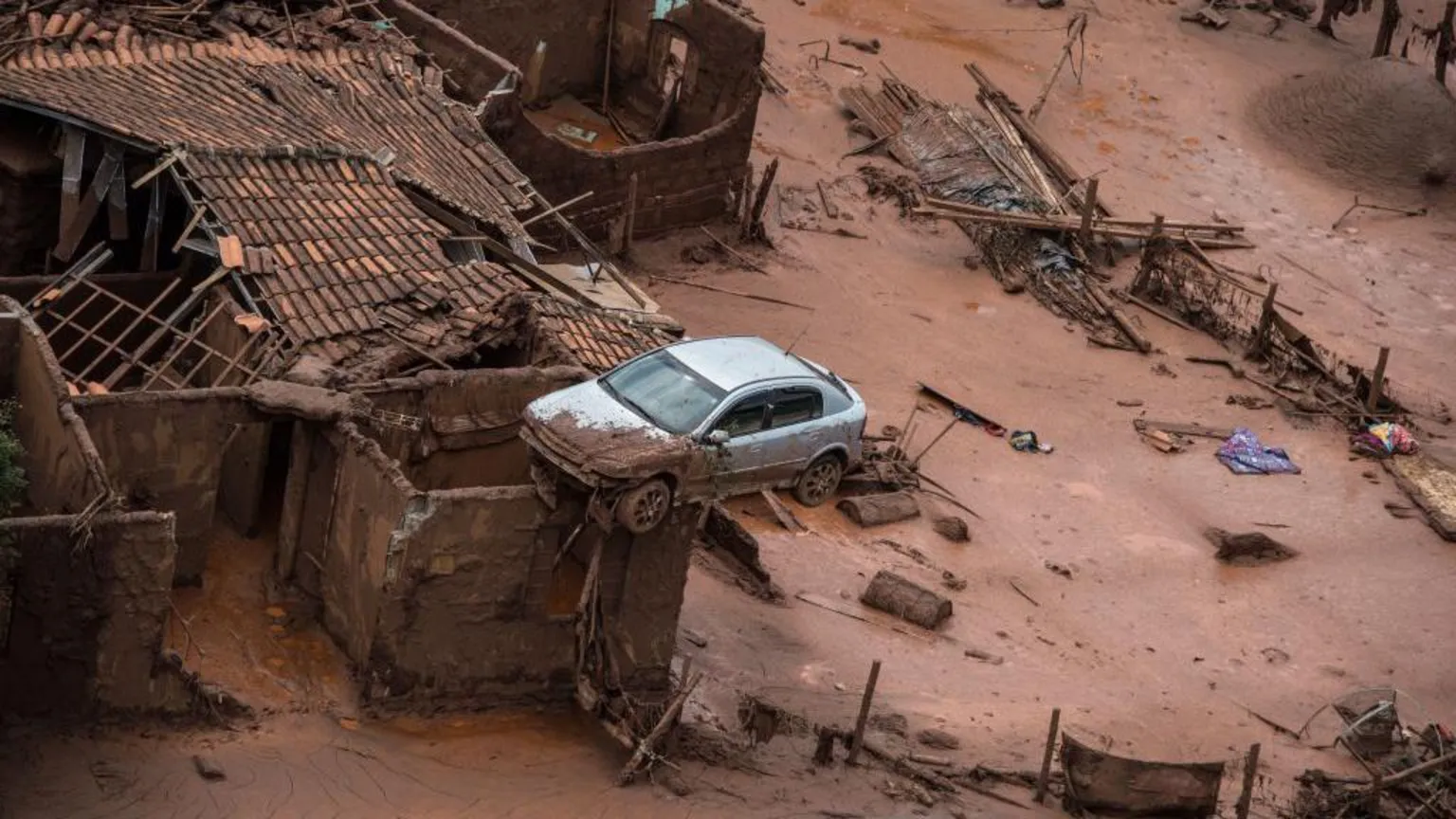
A UK High Court has ruled that BHP Group is liable for the 2015 collapse of a dam in southeastern Brazil, deemed the worst environmental disaster in the country's history, with potential liabilities reaching up to £36 billion ($48 billion). The ruling, delivered by Justice Finola O'Farrell, stated that BHP was responsible for the catastrophe despite not owning the dam at the time. The dam's failure resulted in the death of 19 individuals and severely impacted local communities, triggering a wave of toxic sludge that polluted the Doce River and destroyed various towns, leaving thousands homeless, according to Reuters, Al Jazeera, and BBC.
Following the disaster, BHP and its joint venture partner Samarco faced lawsuits from over 600,000 plaintiffs, including local governments and businesses. The claimants alleged that the continuous height adjustments of the dam without appropriate safety measures directly contributed to the collapse. The judge's ruling placed significant emphasis on this negligence, compelling BHP to confront legal accountability under Brazilian law, as highlighted in multiple sources such as Reuters and BBC.
BHP has announced intentions to appeal the decision, claiming that it has already compensated a significant number of claimants in Brazil, believing that this would reduce the claims in the UK lawsuit. Brandon Craig, BHP President for Minerals Americas, maintained that “240,000 claimants in the London lawsuit have already been paid compensation in Brazil,” casting doubt on the validity and totality of claims in the UK proceedings, as noted by Al Jazeera and BBC.
The legal ramifications extend beyond BHP, as Brazilian authorities have entered into multibillion-dollar settlements with the involved companies, intending to address human and environmental impacts from the disaster. Notably, under this agreement, Samarco pledged to pay approximately 132 billion reais ($23 billion) over 20 years to rectify damages stemming from the incident. Critics of BHP have asserted that the UK lawsuit serves as unnecessary duplication of Brazilian legal efforts, raising questions about the jurisdiction and appropriateness of pursuing claims in London, according to Reuters and Al Jazeera.


 October 14, 2026
 October 14, 2026
Stay informed effortlessly with PRESS AI WORLD, the AI-powered news summarizer that delivers concise, easy-to-read global headlines tailored to your interests.

 REUTERS
  ALJAZEERA
  BBC
BBC 


