
 Gloria Terra


Notification about latest news from us.


Credited from: ALJAZEERA
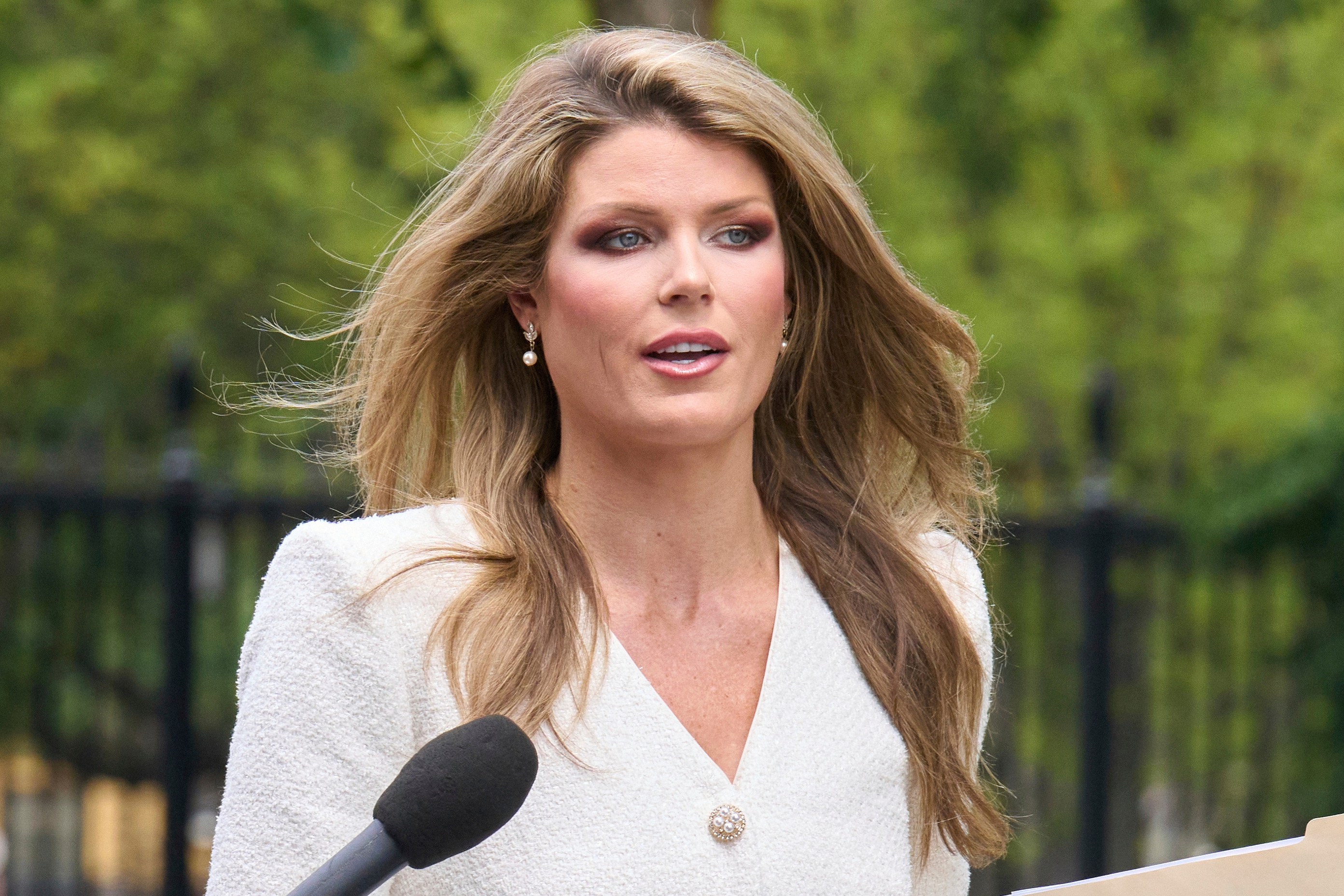
Former FBI Director James Comey and New York Attorney General Letitia James are challenging the legality of their indictments based on the appointment of Lindsey Halligan as the interim U.S. attorney for the Eastern District of Virginia. They argue that Halligan's appointment was unlawful, which could invalidate the criminal charges against them, according to Reuters, Los Angeles Times, and Al Jazeera.
The thrust of their legal argument is that Halligan, who was installed under controversial circumstances, did not receive proper Senate confirmation and should not have been allowed to bring charges against them. This hearing, led by U.S. District Judge Cameron McGowan Currie, could determine not just the future of their cases but also the implications for the Justice Department’s independence, according to ABC News and NPR.
Halligan’s appointment followed the resignation of Erik Siebert, who had resisted pressure to prosecute Comey and James. Their lawyers assert that this chain of events highlights a politically motivated effort by the Trump administration to use the Justice Department against its critics, a claim bolstered by the timeline of Trump’s public calls for action against them, according to Los Angeles Times and Al Jazeera.
The judge expressed skepticism regarding the legitimacy of Halligan's appointment and noted concerns about procedural discrepancies in the indictments. She highlighted issues such as missing transcripts from significant portions of the grand jury proceedings, which could undermine the justification for the indictments, according to NPR and ABC News.
Meanwhile, the Justice Department argues that Halligan’s appointment adhered to legal standards and emphasizes that the grand jury’s decision was valid regardless of her status. They claim that procedural concerns are mere "paperwork errors," asserting that the indictments should not be dismissed on those grounds. This defense appears to downplay the historical context of U.S. attorney appointments, which traditionally require more rigorous oversight, as articulated by legal experts, according to Reuters and ABC News.


 November 13, 2025
Starbucks Workers Launch Nationwide Strike Amid Red Cup Day Promotion
November 13, 2025
Starbucks Workers Launch Nationwide Strike Amid Red Cup Day Promotion
 October 13, 2026
 October 15, 2026
 October 14, 2026
 October 15, 2026
Stay informed effortlessly with PRESS AI WORLD, the AI-powered news summarizer that delivers concise, easy-to-read global headlines tailored to your interests.

 Published: Thursday, November 13
  11 months ago
 REUTERS
  LATIMES
  ALJAZEERA
  ABCNEWS
  NPR
NPR 


