
 Gloria Terra


Notification about latest news from us.

 Published: Sunday, October 12
Updated: Monday, October 13
Published: Sunday, October 12
Updated: Monday, October 13
 1 year ago

Credited from: ALJAZEERA
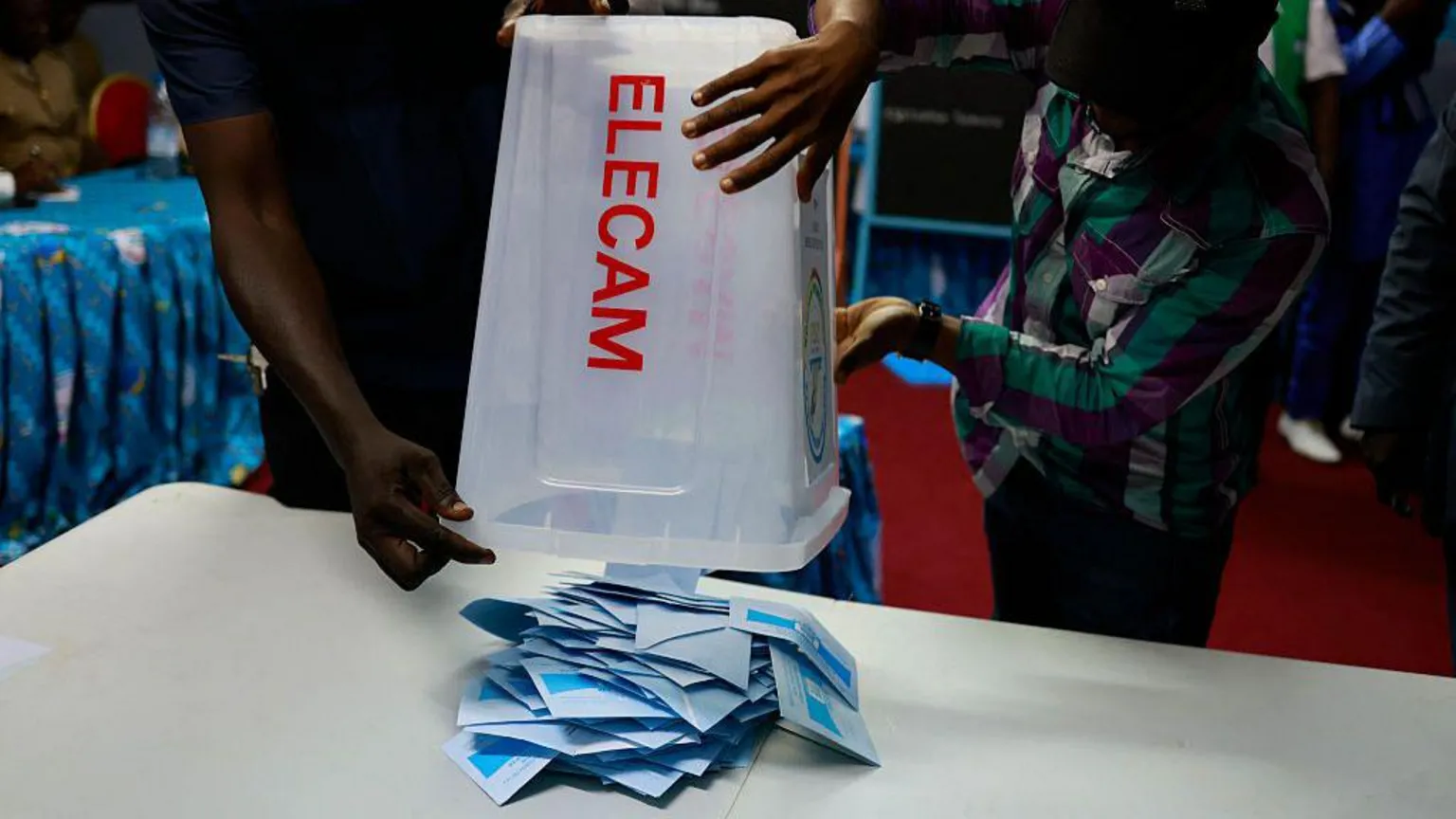
On October 12, 2025, Cameroonians participated in a presidential election where incumbent President Paul Biya, who has governed since 1982, aims to secure an eighth term. Despite currently being 92 years old, Biya's anticipated victory is largely attributed to his significant control over state resources and the divided opposition against him, which includes nine candidates like Issa Tchiroma Bakary and Bello Bouba Maigari, both former government officials, according to Reuters, Al Jazeera, and South China Morning Post.
Despite a tight electoral process that favors him, Biya's leadership has faced mounting criticism over economic issues and long-standing poverty affecting over 43% of the population, as reported by sources. Voter sentiment reflects a demand for change, with citizens like Hassane Djbril expressing dissatisfaction and a desire for progress, which they attribute to decades of stagnation under Biya’s rule. Analysts predict, however, that despite the energy of the opposition and public discontent, the electoral machinery remains heavily tilted in favor of Biya, according to Le Monde and Africanews.
As voting took place, reports indicated various incidents, particularly in the English-speaking regions where opposition calls for a boycott led to clashes in some areas. While official sources described the voting process as hitch-free across most regions, tensions remained high with allegations of suppression aimed at preventing opposition visibility. Vote counting has commenced, and the final results are scheduled to be unveiled within 15 days, highlighting the ongoing political dynamics in Cameroon, according to BBC and Africanews.


 October 12, 2025
Tragic Car Crash Claims Lives of Three Qatari Diplomats in Egypt
October 12, 2025
Europe Implements New Automated Border Checks for Non-EU Nationals
October 12, 2025
Tragic Car Crash Claims Lives of Three Qatari Diplomats in Egypt
October 12, 2025
Europe Implements New Automated Border Checks for Non-EU Nationals

 October 13, 2026
 October 14, 2026
 October 13, 2026
 October 14, 2026
Stay informed effortlessly with PRESS AI WORLD, the AI-powered news summarizer that delivers concise, easy-to-read global headlines tailored to your interests.

 REUTERS
  ALJAZEERA
  SCMP
SCMP  LEMONDE
  AFRICANEWS
  BBC
BBC 


