 Gloria Terra


Notification about latest news from us.

 Published: Wednesday, September 24
Updated: Thursday, September 25
Published: Wednesday, September 24
Updated: Thursday, September 25
 1 year ago

Credited from: REUTERS
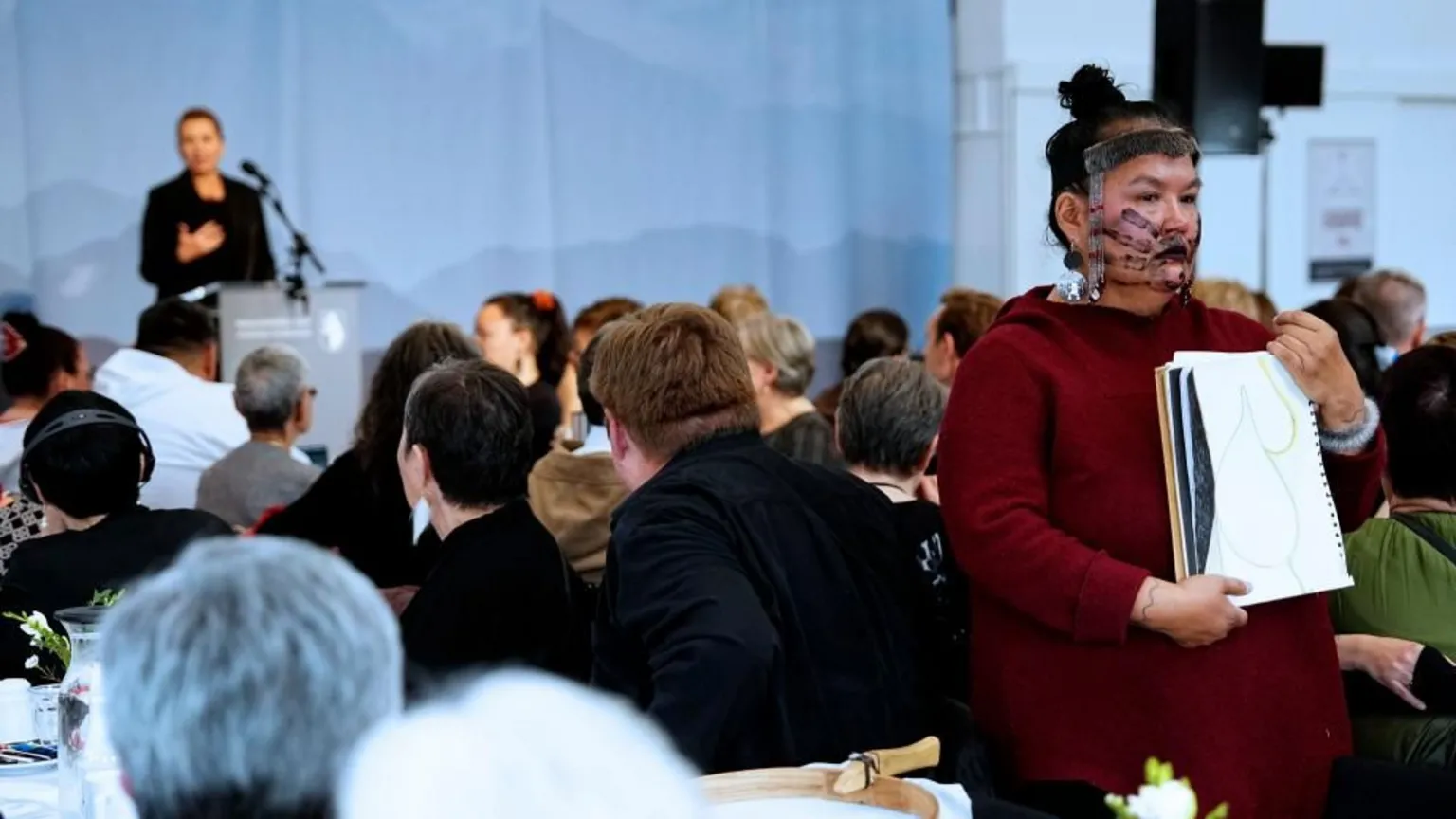
On September 24, Danish Prime Minister Mette Frederiksen issued a heartfelt apology to the victims of a forced contraception program that lasted for over three decades in Greenland. Speaking at a ceremony in Nuuk, the capital of Greenland, she expressed regret for the injustice suffered by around 4,500 Inuit women who were fitted with intrauterine devices (IUDs) without their consent from the late 1960s until 1992. "Sorry for the injustice that was committed against you... and for the pain it caused," Frederiksen stated, marking a significant shift in Denmark's acknowledgment of its colonial past, according to TRT World and Le Monde.
This program aimed to reduce the birth rate among the Inuit population, and many of the affected women faced severe physical and psychological issues as a consequence. Reports estimate that by 1970, over 4,000 women had received the device, often starting at a young age, with serious long-term effects. "Receiving an apology does not mean that we accept what has happened," stated Greenland's Prime Minister Jens-Frederik Nielsen during the ceremony, highlighting the deeper societal scars left by the campaign, as detailed by Reuters and BBC.
Frederiksen's apology is part of an effort to mend Denmark's strained relations with Greenland amidst geopolitical tensions, notably related to U.S. interests in the region. Aaja Chemnitz, a Greenlandic MP, remarked that external pressure, particularly from the U.S., contributed to Denmark's recent efforts to address historical grievances, pointing out that "I've never seen so much effort until now," according to TRT World and Reuters.
In conjunction with the apology, Frederiksen announced the creation of a "reconciliation fund" aimed at compensating victims, although details regarding its implementation remain unclear. Many survivors, however, expressed mixed feelings; while the apology was heard as an important step, some questioned the lack of immediate tangible support. Aviaq Petersen, one of the women affected, highlighted the complexity of pain and healing following years of trauma, echoing sentiments shared by others present, as reported by BBC and Le Monde.


 September 24, 2025
Gaza-bound aid flotilla faces drone attacks amidst growing tensions
September 24, 2025
Gaza-bound aid flotilla faces drone attacks amidst growing tensions

 October 13, 2026
 October 14, 2026
 October 13, 2026
Stay informed effortlessly with PRESS AI WORLD, the AI-powered news summarizer that delivers concise, easy-to-read global headlines tailored to your interests.

 TRTGLOBAL
  LEMONDE
  REUTERS
  BBC
BBC 


