 Gloria Terra


Notification about latest news from us.

 Published: Wednesday, September 17
Updated: Wednesday, September 17
Published: Wednesday, September 17
Updated: Wednesday, September 17
 1 year ago

Credited from: BBC
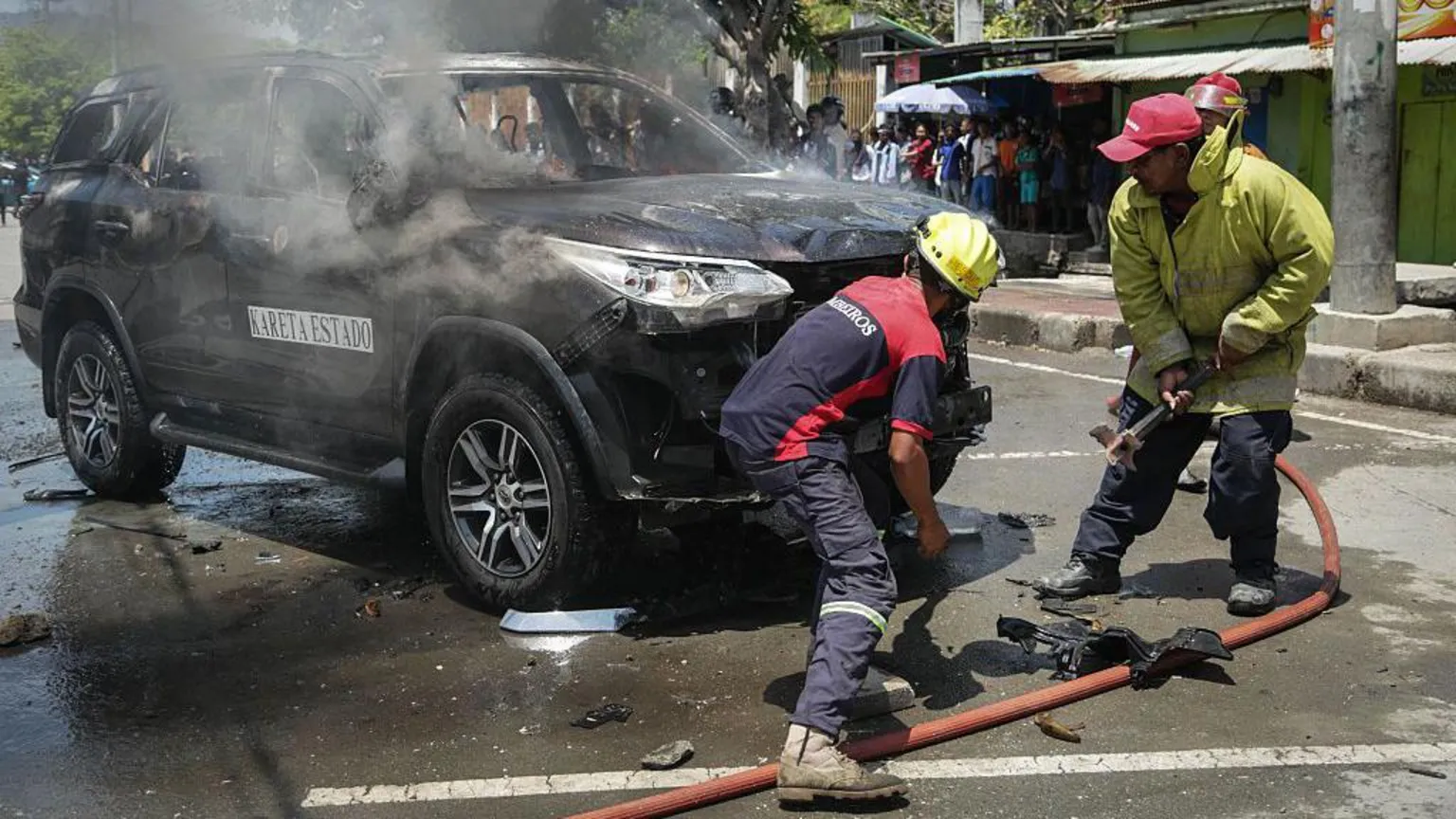
Timor-Leste's parliament has officially dropped a controversial plan to purchase new SUVs for its lawmakers, following significant public protests. Demonstrators, primarily composed of university students, rallied in the capital, Dili, with reports indicating over 2,000 protesters clashed with police on multiple occasions, prompting the use of tear gas by law enforcement. The planned acquisition was designed to provide each of the 65 members of parliament with a Toyota Prado, a move that sparked outrage in a nation where more than 40 percent of the population lives below the poverty line, according to the World Bank, and where public opinion has shifted against lawmakers' perceived extravagance, as noted by several sources including Channel News Asia, The Jakarta Post, and BBC.
The initial protests initiated when the $4.2 million budget item for the SUVs was approved last year. Demonstrators expressed their grievances not only over the car purchases but also highlighted broader issues of inequality, with many people feeling that lawmakers should not enjoy such perks amid widespread suffering. After days of pressure, parliament voted to cancel the vehicle procurement process but the protests indicate an ongoing demand for accountability and reform concerning lawmakers' privileges, according to The Jakarta Post and Channel News Asia.
On the ground, protesters remain skeptical of the government's intentions, voicing concerns that the vehicles may still be on their way despite the cancellation announcement. Police reported violence during the protests, including instances where demonstrators hurled rocks, prompting a response that included tear gas. President Jose Ramos-Horta warned of "no tolerance" for violence in demonstrations, reflecting rising tensions in a country already grappling with systemic social issues, according to BBC and Channel News Asia.
The protests in Dili are part of a broader trend across Asia, where youth-driven movements are increasingly challenging elite power structures and demanding accountability from their governments. Protesters have begun to expand their focus beyond the car purchases to include calls for systemic changes, including the elimination of lifetime pensions for former lawmakers, pointing to a growing discontent with political privileges amidst poverty and unemployment, as echoed in reports from The Jakarta Post and BBC.


 October 13, 2026

 October 13, 2026
 October 14, 2026
Stay informed effortlessly with PRESS AI WORLD, the AI-powered news summarizer that delivers concise, easy-to-read global headlines tailored to your interests.

 CHANNELNEWSASIA
  THEJAKARTAPOST
  BBC
BBC 


