 Gloria Terra


Notification about latest news from us.

 Published: Friday, September 12
Updated: Friday, September 12
Published: Friday, September 12
Updated: Friday, September 12
 1 year ago

Credited from: NPR
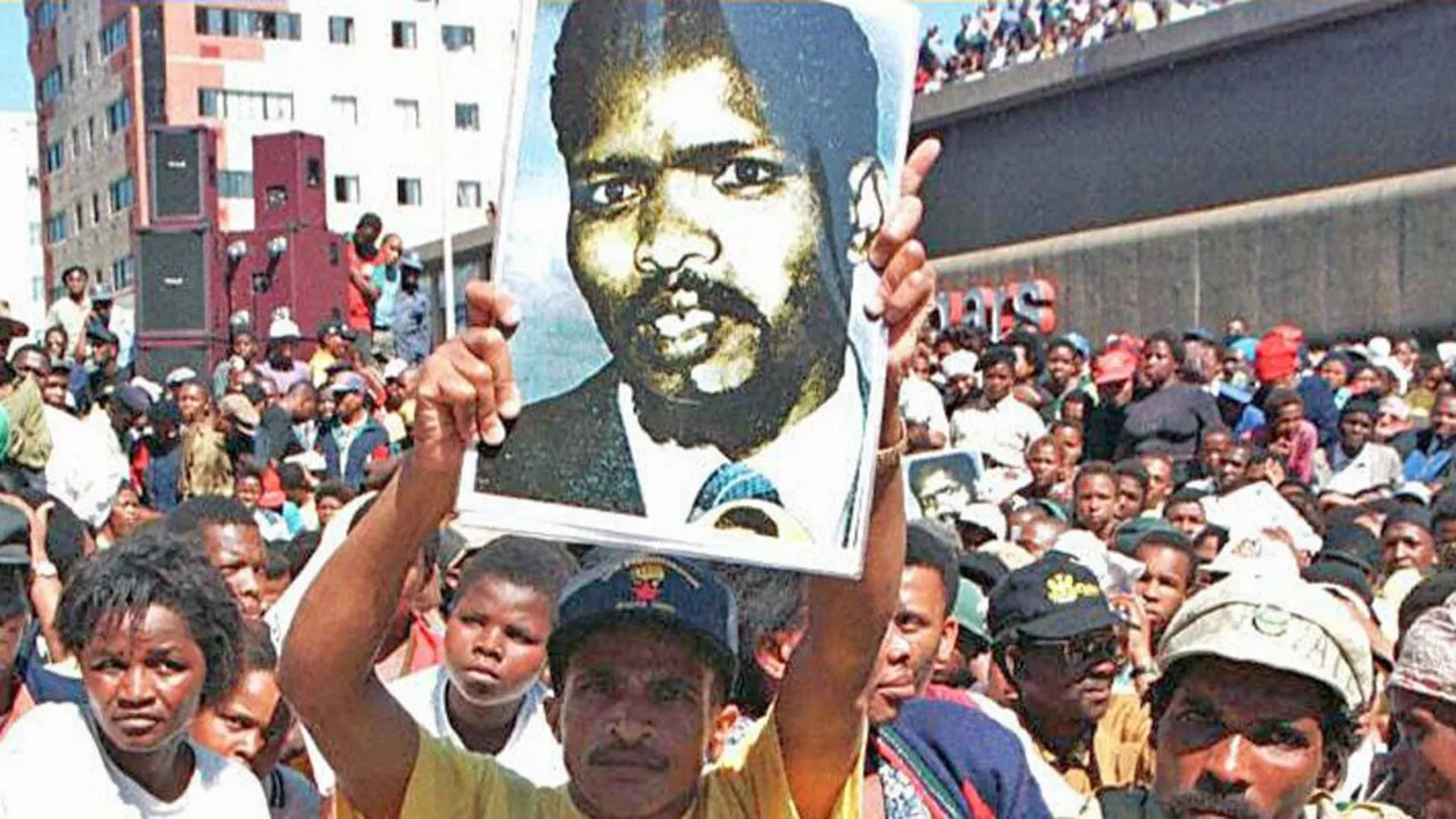
On September 12, 2025, South Africa's National Prosecuting Authority (NPA) announced the reopening of the inquest into the death of Steve Biko, an important figure in the anti-apartheid movement, exactly 48 years after his death in police custody. The investigation aims to determine whether Biko's death involved any criminal acts by police, a move supported by Biko’s family legal representatives, who hope this will finally bring accountability for a case long scrutinized internationally, according to Africanews and NPR.
Biko, founder of the Black Consciousness Movement, was arrested in August 1977 for violating an apartheid-era restriction on his movements. He died a month later at just 30 years old from a brain injury sustained while in custody, a death that authorities initially attributed to a scuffle. However, family and witnesses contend he was brutally tortured, a claim supported by testimony during the Truth and Reconciliation Commission (TRC), which found insufficient grounds for amnesty for Key Police officers involved, as reported by CBS News and BBC.
The reopening of Biko’s inquest is part of broader efforts by the South African government to confront its past. Following an inquiry ordered by President Cyril Ramaphosa in April, the NPA has committed to reassessing cases of apartheid-era crimes, as many remain unresolved. The new inquest will determine if any criminal acts took place, paving the way for potential prosecutions, especially with two implicated officers still alive, according to Reuters and Africanews.
Nkosinathi Biko, Steve Biko's son, expressed optimism regarding the ongoing investigation, emphasizing that addressing the violent past is essential for South Africa's democratic future. He asserted, "It's very clear in our minds as to what happened and how they killed Steve Biko," highlighting the family's determination for clarity and justice. His statements mirror widespread sentiments among many families affected by apartheid, who continue to seek accountability for historical injustices, as noted by CBS News and BBC.
The case, which has captivated public attention, has been adjourned until November 12 for further case management, as the nation reflects on its challenging history and the unfolding quest for justice, according to Reuters and NPR.


 September 12, 2025
Trump Announces Deployment of National Guard to Memphis Amid Crime Concerns
September 12, 2025
France Deploys Rafale Jets to Poland Amid Rising Tensions with Russia
September 12, 2025
Trump Announces Deployment of National Guard to Memphis Amid Crime Concerns
September 12, 2025
France Deploys Rafale Jets to Poland Amid Rising Tensions with Russia


 October 13, 2026
 October 13, 2026
 October 15, 2026
Stay informed effortlessly with PRESS AI WORLD, the AI-powered news summarizer that delivers concise, easy-to-read global headlines tailored to your interests.

 AFRICANEWS
  NPR
NPR  CBSNEWS
  BBC
BBC  REUTERS


