 Gloria Terra


Notification about latest news from us.

 Published: Sunday, August 17
Updated: Tuesday, August 19
Published: Sunday, August 17
Updated: Tuesday, August 19
 1 year ago

Credited from: BBC
Former Hong Kong lawmaker Ted Hui has received asylum in Australia, a decision he publicly announced via social media. This asylum includes his family, comprising his wife, children, and parents. In his emotional statement, Hui expressed gratitude while lamenting the absence of home for a political refugee, saying, "If it weren't for political persecution, I would never have thought of living in a foreign land." His case shines a light on the ongoing political repression in Hong Kong, particularly since the implementation of a stringent national security law in 2020 that has led to widespread arrests and legal charges against activists, according to Channel News Asia, SCMP, and The Jakarta Post.
Hong Kong authorities reacted strongly to the asylum grants, summoning Australian and British consuls-general and expressing "strong disapproval" against what they termed the "harbouring of criminals." Chief Secretary Eric Chan Kwok-ki stated that such actions undermine the rule of law and interfere in Hong Kong’s domestic affairs. He emphasized that any individuals who evade justice should face consequences regardless of their location, highlighting the ongoing tension between Hong Kong and international supporters of human rights, as reported by SCMP, Reuters, and BBC.
The asylum decision comes as a significant recognition of the human rights violations faced by pro-democracy activists in Hong Kong. Hui noted that the approval signifies acknowledgment by Australia of the serious erosion of democracy and freedom in Hong Kong since the protests began in 2019. Many activists, including Hui, have left Hong Kong to escape political persecution, which further highlights the humanitarian crises stemming from the national security law. Hui urged the Australian government to extend similar support to other activists still detained in Hong Kong, as highlighted in reports from Al Jazeera, The Jakarta Post, and Reuters.
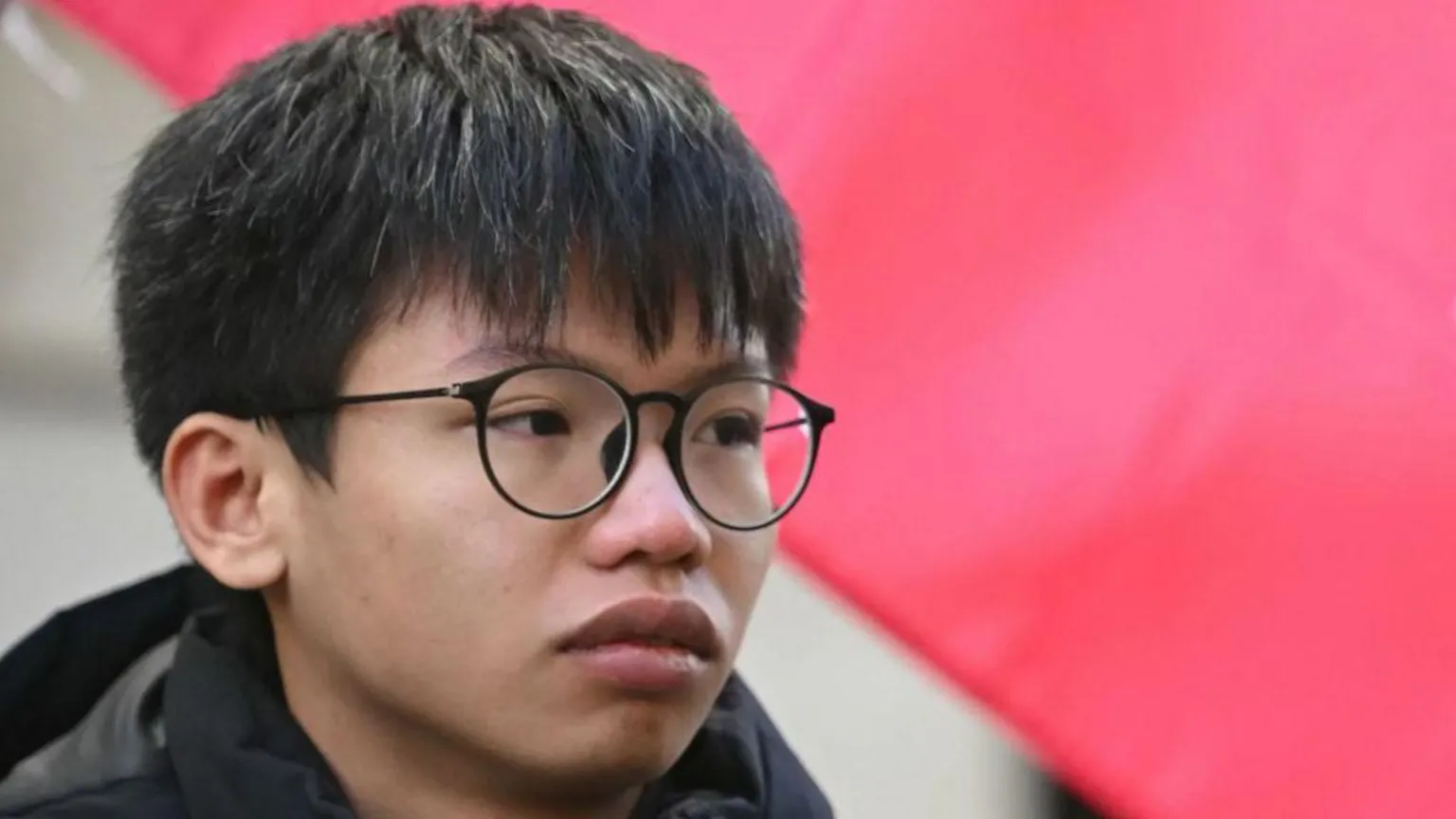
Along with Hui, another pro-democracy activist, Tony Chung, has been granted asylum in the UK. Chung's status was confirmed through a letter from the UK Home Office acknowledging his well-founded fear of persecution. Both cases illustrate the significant risks faced by activists in Hong Kong and the international community's response to these human rights concerns. The Hong Kong government continues to maintain that their actions are legal under the framework of national security, further polarizing the discourse between local and international perspectives, as noted by reports from SCMP and BBC.


 October 14, 2026
 October 13, 2026
Stay informed effortlessly with PRESS AI WORLD, the AI-powered news summarizer that delivers concise, easy-to-read global headlines tailored to your interests.

 CHANNELNEWSASIA
  SCMP
SCMP  THEJAKARTAPOST
  ALJAZEERA
  REUTERS
  BBC
BBC 


