 Gloria Terra


Notification about latest news from us.

 Published: Sunday, August 17
Updated: Monday, August 18
Published: Sunday, August 17
Updated: Monday, August 18
 1 year ago

Credited from: BBC
Bolivia is set to hold its presidential election on Sunday, with nearly 8 million registered voters participating as the country grapples with its most severe economic crisis in four decades. This election may culminate in a significant political shift, potentially ending the twenty-year reign of the left-wing Movimiento por el Socialismo (MAS) party, led by former President Evo Morales, according to Anadolu Agency and TRT World.
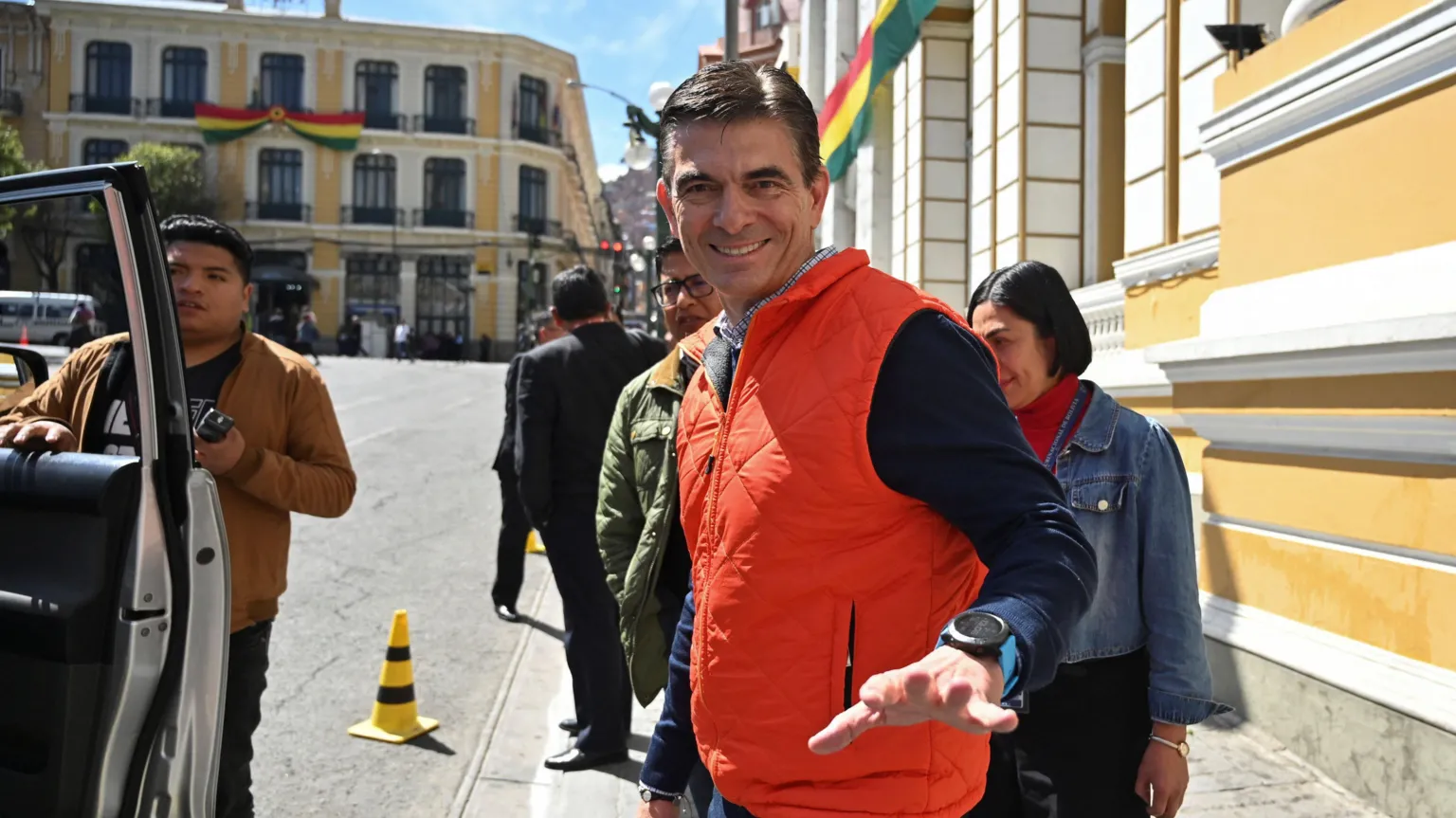
The frontrunners, Samuel Doria Medina and Jorge “Tuto” Quiroga, represent the right-wing opposition and have pledged to dismantle the state-led economic model that many Bolivians blame for the country’s financial issues. Medina, a businessman and former planning minister of the National Unity Front, and Quiroga, from the Freedom and Democracy party, both have failed in prior attempts to secure the presidency but are now positioned to win as voters express frustration with the current administration, as reported by Anadolu Agency and BBC News.
As tensions rise, incumbent President Luis Arce has chosen not to seek re-election, instead endorsing his interior minister, Eduardo del Castillo, who has struggled to gain traction in the polls, trailing below 3 percent. With about 30 percent of voters still undecided, the possibility of a runoff, scheduled for October 19, looms if no candidate achieves over 50 percent of the vote, according to Anadolu Agency.
The elections reflect deep political polarization, particularly between Arce and Morales, whose legacy remains contentious. Morales, who served from 2006 to 2019, was barred from running again due to court rulings against him and has urged his supporters to nullify their votes in protest. Allegations against him, including serious criminal charges, have further complicated the political landscape, as detailed in reports by TRT World and BBC News.
Bolivia’s economy faces hardships characterized by severe inflation, shortages of essential goods, and increasing living costs, which have aggravated public sentiment against the ruling party. As a result, voter discontent continues to rise, influencing the current electoral prospects for both the left and right, according to Anadolu Agency and TRT World.
With the voting set to take place amidst heightened tensions, incidents at polling stations have included protests against left candidates, underscoring the fervency of the current political climate. Some voters expressed disdain for the MAS party, reflecting a broader desire for change among the electorate, as reported by BBC News.


 October 14, 2026
 October 14, 2026
 October 14, 2026
 October 15, 2026
Stay informed effortlessly with PRESS AI WORLD, the AI-powered news summarizer that delivers concise, easy-to-read global headlines tailored to your interests.

 AA
AA  TRTGLOBAL
  BBC
BBC 


