 Gloria Terra


Notification about latest news from us.

 Published: Wednesday, August 06
Updated: Wednesday, August 06
Published: Wednesday, August 06
Updated: Wednesday, August 06
 1 year ago

Credited from: REUTERS
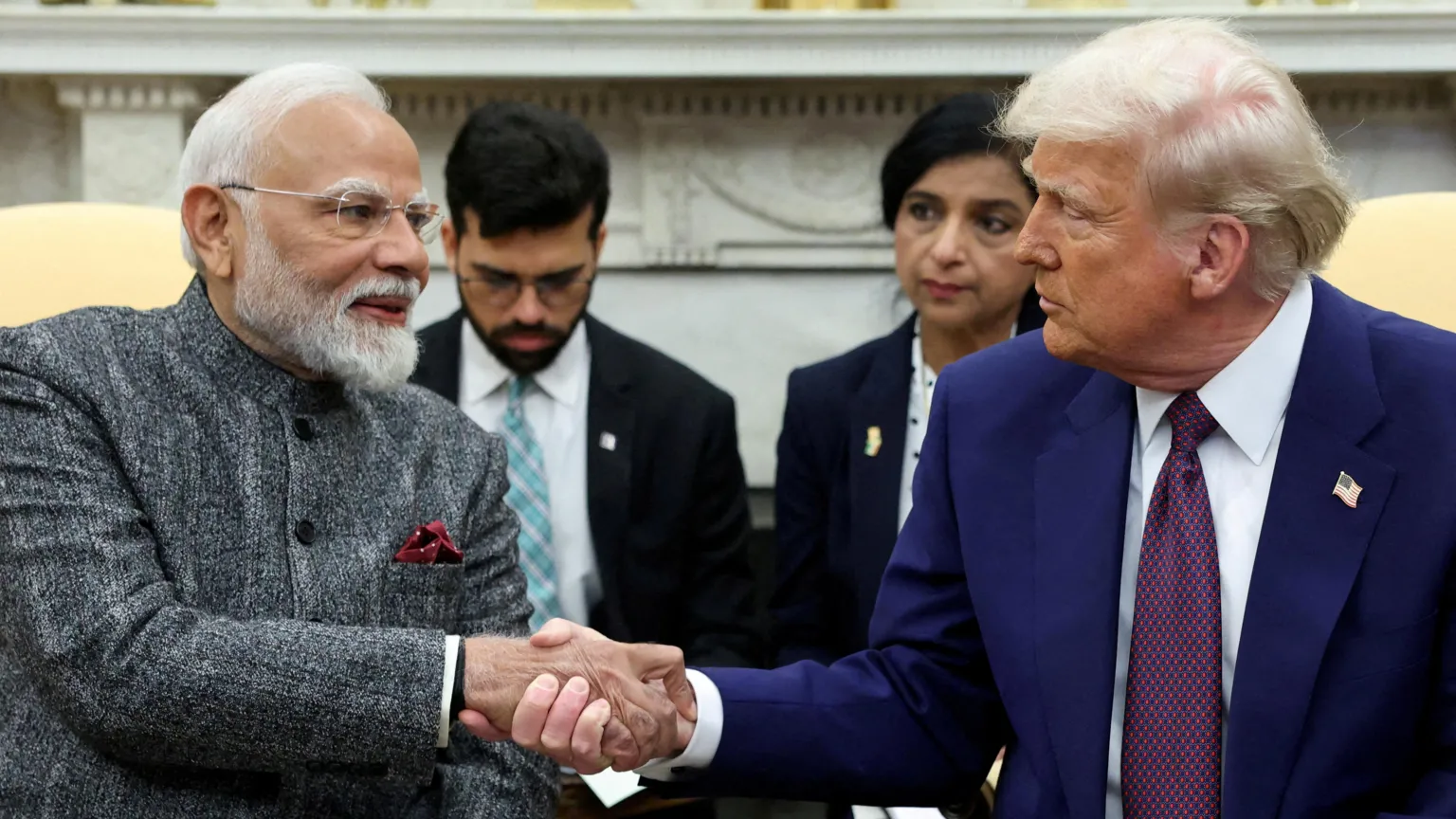
The recently strained relationship between the United States and India has reached new lows as President Donald Trump imposed a 25% tariff on Indian goods and threatened further penalties linked to New Delhi's purchases of Russian oil, described by Trump as "fueling the war" in Ukraine. Following these measures, Indian officials called the actions "unfair, unjustified and unreasonable," retaliating against what they perceive as undue pressure from Washington, according to Al Jazeera and Reuters.
The origins of the current trade tussle trace back to a rocky series of negotiations where Indian officials believed a deal was imminent. After five rounds of discussions, there was confidence that tariffs could be capped at 15%. However, unexpected tariffs were introduced by Trump just days before a planned announcement, leaving India facing significant penalties while Trump moved forward with agreements with other nations including Pakistan and Japan, as reported by Channel News Asia and Reuters.
Discussions began with high hopes to double bilateral trade to $500 billion by 2030, particularly with India's pledge to escalate energy imports from the U.S. and lower tariffs on items such as automotive and alcohol, as detailed in interviews with Indian and U.S. government officials by Dawn and Reuters.
Despite these negotiations, a mix of political misjudgment and overconfidence reportedly led India to harden its stance on sensitive topics such as agriculture and dairy imports, which the U.S. views as crucial for a broader trade agreement. Political analysts warn of the fallout from these tensions, suggesting long-term implications may undermine years of diplomatic efforts, as expressed by experts from both sides like Ashley Tellis at the Carnegie Endowment and Michael Kugelman of the Wilson Center, citing that India could potentially become collateral damage in Trump's trade strategies, according to BBC and Reuters.
As pressures mount, Indian officials have indicated a willingness to adjust some sectors within the agricultural domain while remaining steadfast on deep Russian ties for energy security. Modi's government faces dual pressures from Trump while grappling with public sentiment favoring a strong response against what many interpret as bullying behavior from the U.S. president. Furthermore, Modi has claimed that dialogue should happen directly, criticizing the U.S.'s attempts to mediate conflicts between India and Pakistan—a stance that continues to inflame tensions, per Al Jazeera and Reuters.
Going forward, while expectations for a trade deal remain on shaky ground, both nations are still showing signs of engagement, with a U.S. delegation anticipated to visit India later this month. However, significant breakthroughs will require careful maneuvering to navigate the increasing pressures from domestic politics and the broader geopolitical landscape, underscored by ongoing tensions with Russia, according to experts like Jitendra Nath Misra and reported by Reuters and BBC.


 October 14, 2026
 October 13, 2026
Stay informed effortlessly with PRESS AI WORLD, the AI-powered news summarizer that delivers concise, easy-to-read global headlines tailored to your interests.

 REUTERS
  CHANNELNEWSASIA
  ALJAZEERA
  DAWN
DAWN  BBC
BBC 


