
 Flora Green


Notification about latest news from us.


Credited from: NPR
The Justice Department has formally requested a federal judge in Manhattan to unseal grand jury transcripts associated with the case of the late financier Jeffrey Epstein, who was implicated in sex trafficking. This action coincides with public claims that officials may be withholding crucial documents regarding his case, which has generated significant media attention and public interest, as indicated in available reports from CBS News, Bloomberg, and Reuters.
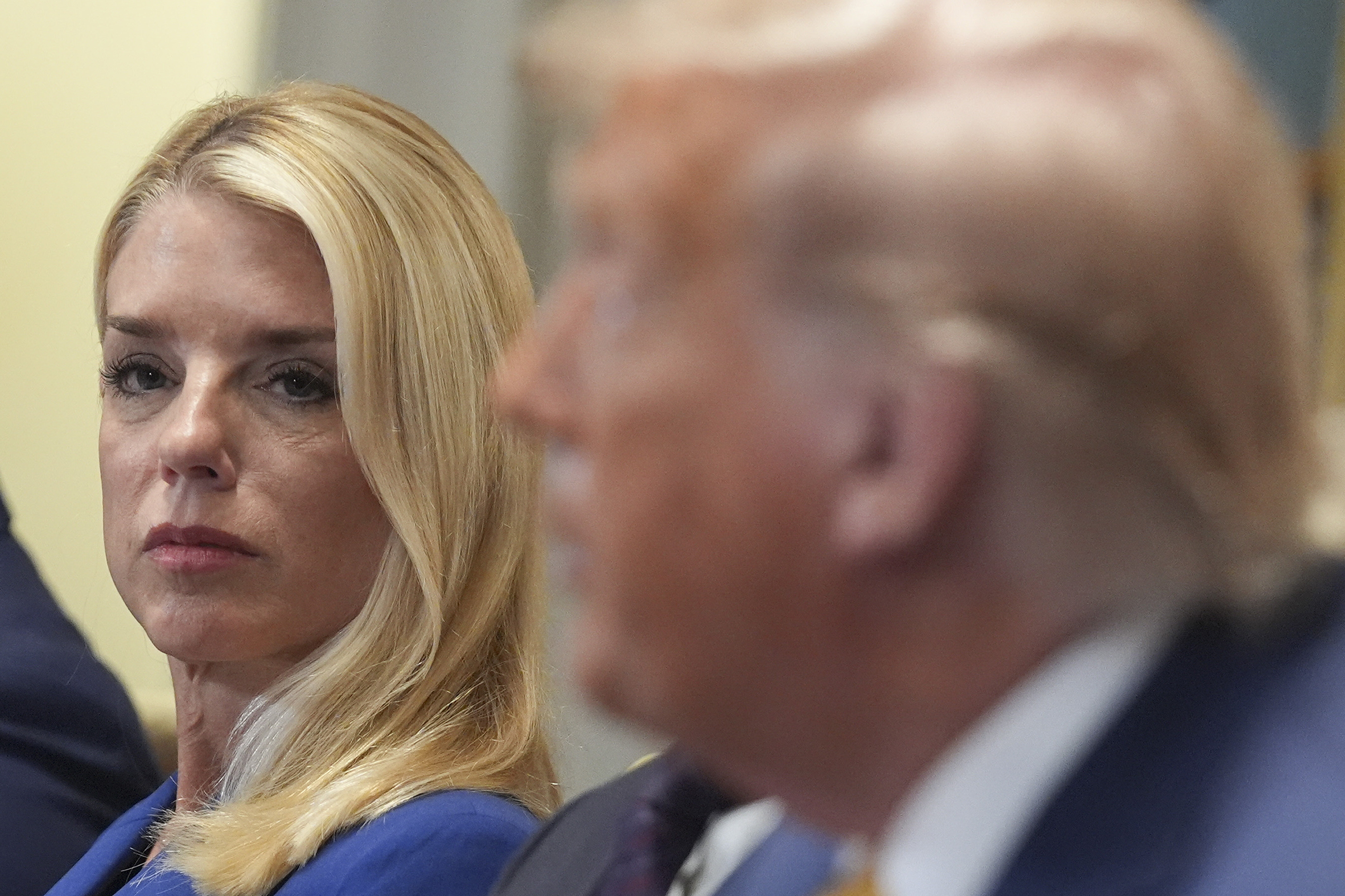
President Trump has publicly supported this request, stating he has urged Attorney General Pam Bondi to seek the release of all pertinent grand jury testimony related to Epstein's investigations. He has tweeted about the subject, claiming that even if the Court permitted the release, critics would still find fault, framing the scrutiny as part of a larger "hoax," according to NPR.
The motion filed by the Justice Department seeks to highlight the public's interest in the underlying criminal cases against both Epstein and his former associate, Ghislaine Maxwell. It argues that this interest justifies unsealing the transcripts while committing to redact sensitive information concerning the victims, as noted in filings reported by CBS News and Bloomberg.
Many lawmakers from both the Republican and Democratic parties have echoed calls for these transcripts to be made public, with members arguing that transparency is crucial for understanding the breadth of Epstein’s network and the implications of his crimes. House Speaker Mike Johnson and others maintain that all credible evidence related to Epstein should be shared, stressing the importance of public oversight on such serious allegations, as discussed by NPR and Reuters.
Epstein's death in custody in 2019, ruled as a suicide, has led to numerous conspiracy theories, particularly among Trump supporters who suggest that the government may be concealing information. Trump's administration had promised transparency during his campaign, making the current calls for disclosure a focal point of ongoing debates about accountability and corruption, as highlighted by NPR.


 July 28, 2026

 July 27, 2026

Stay informed effortlessly with PRESS AI WORLD, the AI-powered news summarizer that delivers concise, easy-to-read global headlines tailored to your interests.

 Published: Friday, July 18
  1 year ago
 CBSNEWS
  BLOOMBERG
  REUTERS
  NPR
NPR 


