 Gloria Terra


Notification about latest news from us.

 Published: Monday, July 07
Updated: Wednesday, July 09
Published: Monday, July 07
Updated: Wednesday, July 09
 1 year ago

Credited from: ALJAZEERA
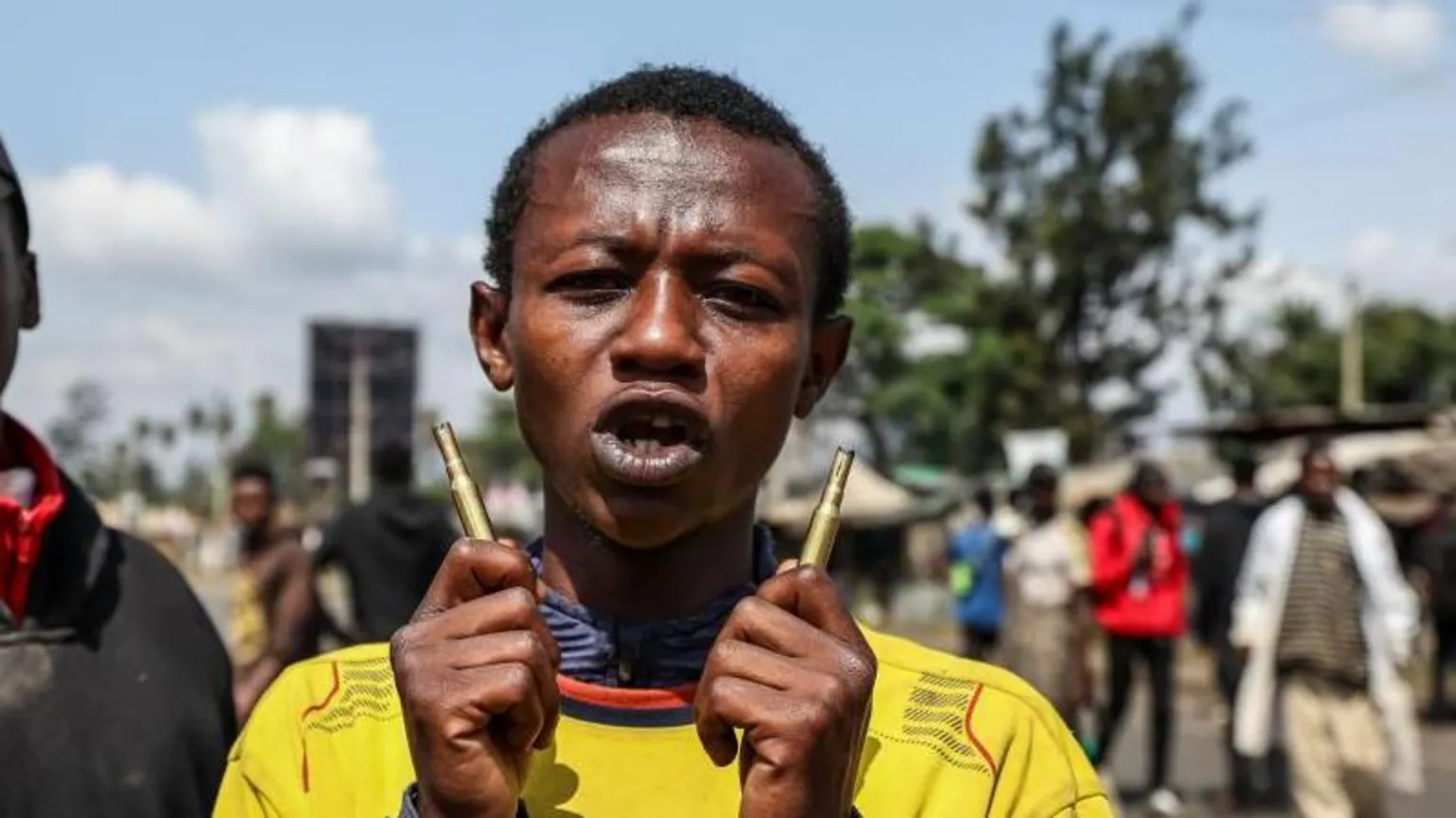
Protests erupted across Kenya on July 7, marking Saba Saba Day, leading to at least 31 deaths according to the Kenya National Commission on Human Rights (KNCHR). This day commemorates previous struggles for democracy, yet this year it devolved into violent clashes with police, prompting widespread outrage and calls for accountability from the government. The KNCHR documented over 532 arrests and 107 injuries amid ongoing unrest, many participants demanding President William Ruto's resignation due to allegations of corruption and poor governance, according to AllAfrica and Le Monde.
The protests turned violent as police enforced heavy security measures, deploying teargas and water cannons to disperse crowds. Reports indicate that demonstrators were met with live ammunition from police, leading to fatalities and injuries. Eyewitness accounts described chaotic scenes in areas like Nairobi’s Kangemi and Kitengela as police engaged protesters attempting to block roads, according to Africa News and TRT World.
KNCHR condemned the use of excessive force and the involvement of unmarked police vehicles in the violence, leading accusations of the government cooperating with criminal gangs to disrupt the protests. The escalating violence prompted the UN Human Rights Office to express concern, calling for an independent investigation into the killings and police actions during the protests, as noted by BBC and Africa News.
The aftermath of the protests saw widespread looting and damage to businesses, heightening the stakes in an already tense political climate. With the growing death toll from protests against police brutality, analysts suggest this might represent a significant turning point in public dissent against the government, which has seen similar unrest over the past year due to dissatisfaction with economic and social conditions, as reported by Al Jazeera and Africa News.


 October 13, 2026

 October 13, 2026
 October 13, 2026
Stay informed effortlessly with PRESS AI WORLD, the AI-powered news summarizer that delivers concise, easy-to-read global headlines tailored to your interests.

 INDIATIMES
  SCMP
SCMP  AFRICANEWS
  ALLAFRICA
  LEMONDE
  TRTGLOBAL
  ALJAZEERA
  AA
AA  BBC
BBC 


