
 Gloria Terra


Notification about latest news from us.


Credited from: REUTERS
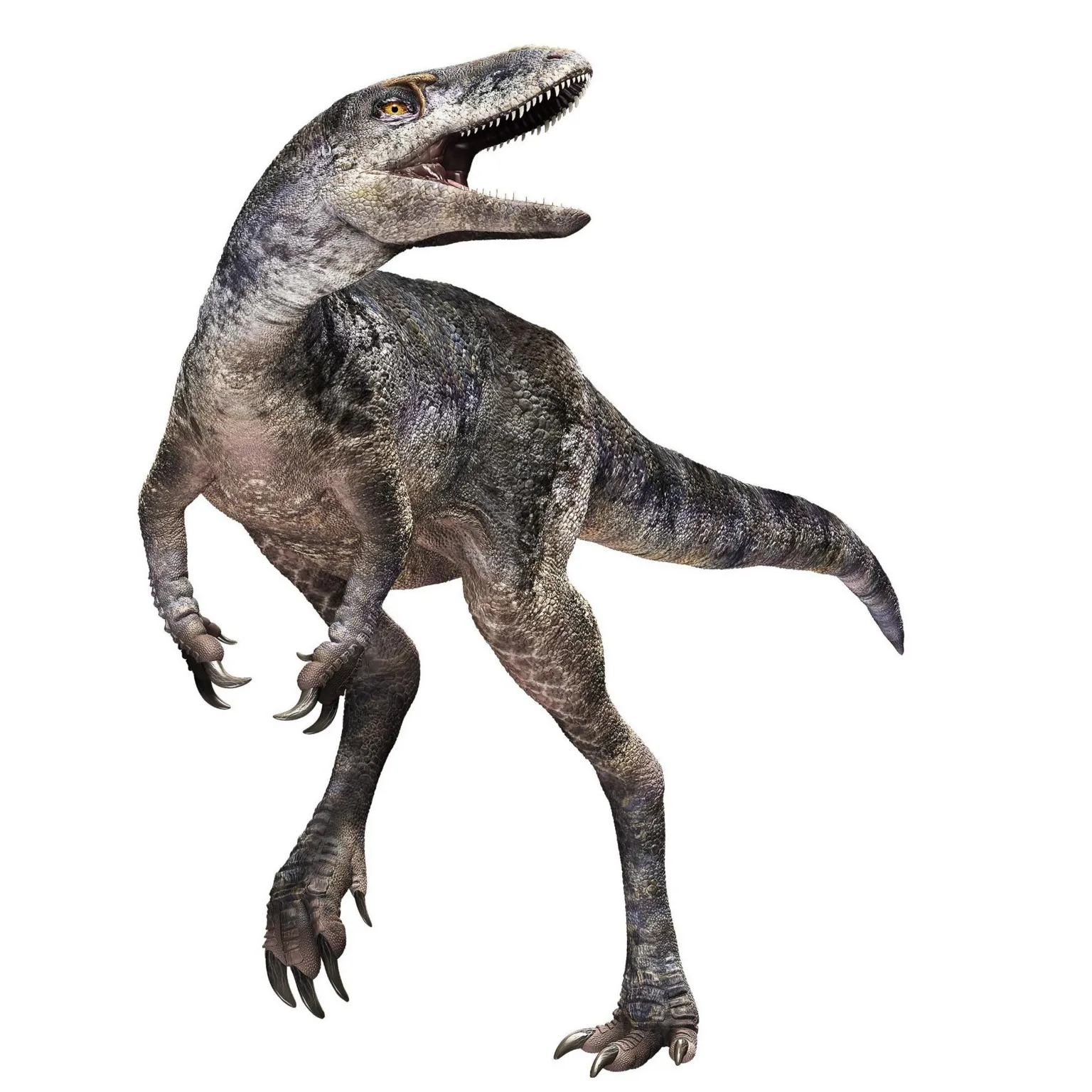
Paleontologists have recently classified a new dinosaur species, Khankhuuluu mongoliensis, established as a pivotal ancestor of the Tyrannosaurus rex based on reanalyzed fossils from the 1970s. Discovered in Mongolia's Gobi Desert, these skeletons were initially misclassified but have now been confirmed to showcase unique features not previously observed in other tyrannosaurs, shedding light on the evolution of this iconic predator, according to ABC News and CBS News.
The Khankhuuluu lived approximately 86 million years ago—predating T. rex by about 20 million years—and is acknowledged as an immediate precursor to larger, apex predatory tyrannosaurs. Researchers have termed it the "missing link" in the evolutionary chain connecting smaller early forms of tyrannosaurs to the larger, notorious predators that emerged later, marking a significant observation for the field of paleontology, as noted by Reuters and BBC.
The fossil evidence indicates that Khankhuuluu was about 13 feet long and weighed around 1,700 pounds, making it a relatively agile predator compared to its massive relatives. Its anatomy reveals adaptations that likely allowed it to chase down smaller prey, differing in skull and tooth structure from later members of the tyrannosaur lineage, which were adapted to tackle larger animals. This evolutionary transition from smaller to larger predatory forms reflects the dynamic shifts in dinosaur ecology during the Late Cretaceous, according to ABC News, Reuters, and BBC.
Significantly, the discovery of Khankhuuluu mongoliensis adds clarity to complex discussions about the evolutionary path of tyrannosaurs, previously muddled by the scant fossil record of earlier species. The findings suggest that these ancestors migrated between North America and Asia, facilitated by land bridges that fostered genetic diversity within the tyrannosaur lineage. This emphasizes the evolutionary journey leading to the formidable T. rex, as such ancestral connections highlight the processes shaping dinosaur evolution, according to CBS News, Reuters, and BBC.


 October 13, 2026

 October 13, 2026
 October 13, 2026
Stay informed effortlessly with PRESS AI WORLD, the AI-powered news summarizer that delivers concise, easy-to-read global headlines tailored to your interests.

 Published: Thursday, June 12
  1 year ago
 ABCNEWS
  CBSNEWS
  REUTERS
  BBC
BBC 


