
 Gloria Terra


Notification about latest news from us.

 Published: Monday, June 02
Updated: Monday, June 02
Published: Monday, June 02
Updated: Monday, June 02
 1 year ago

Credited from: BBC
The snap presidential election in South Korea is taking place on June 3, 2025, in the wake of former President Yoon Suk-yeol's controversial impeachment following his declaration of martial law in December. This election could redefine the political landscape in the country, impacting its relationships with major powers such as the United States, China, and North Korea, as well as the future of South Korean democracy itself. Analysts have highlighted that the chaos stemming from Yoon's actions has polarised the nation and heightened security concerns across the political spectrum, with many citizens eagerly voting for change, according to Al Jazeera, South China Morning Post, and BBC.
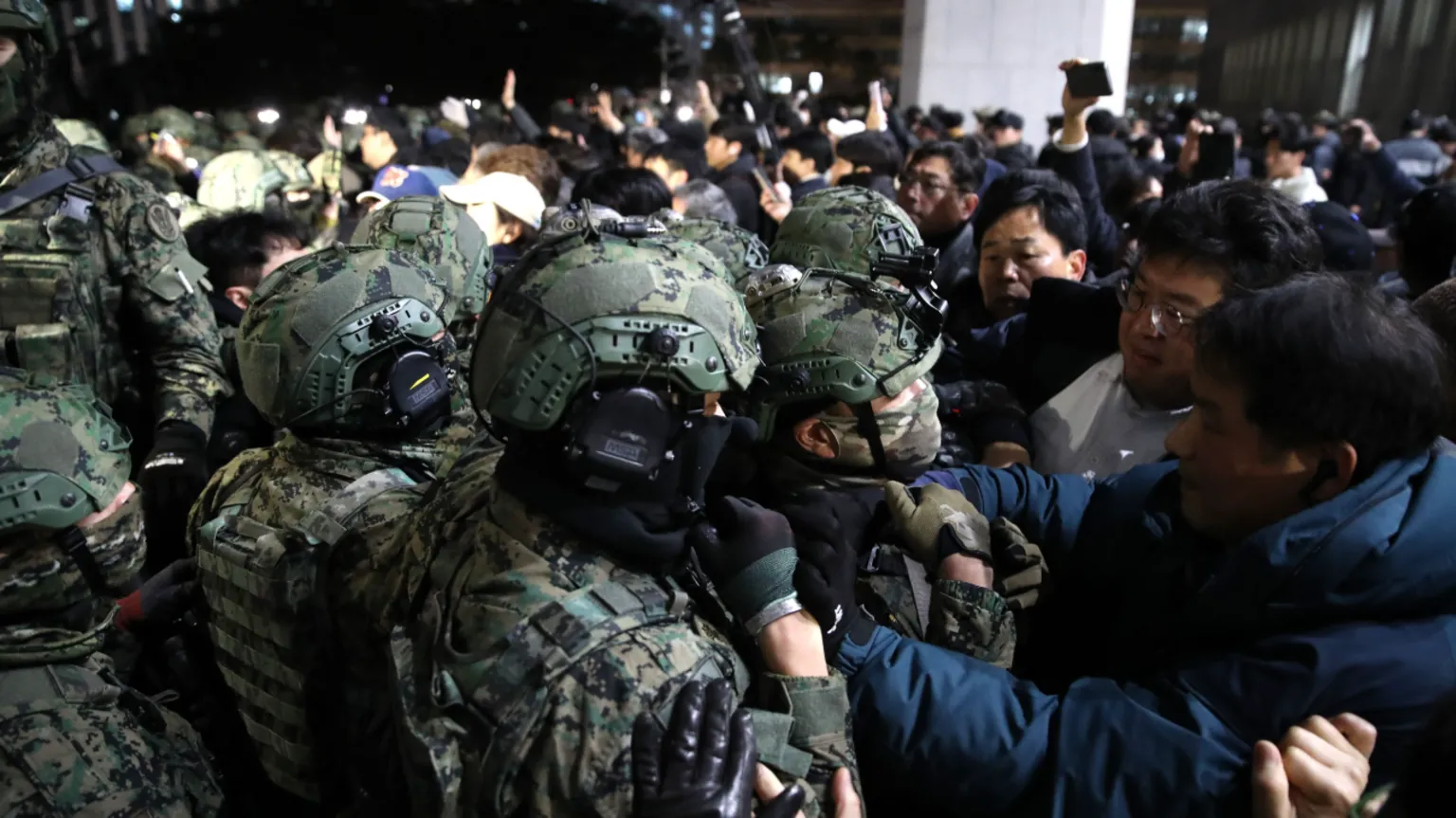
This election has been defined by the dramatic and chaotic fallout from Yoon’s martial law attempt, which triggered widespread protests and led to his impeachment as well as a narrow political environment with three differing caretaker leaders in quick succession. As South Korea faces economic challenges and ongoing tensions with North Korea, the new president will be tasked with navigating these turbulent waters. The candidates are keenly aware of the social unrest and dissatisfaction regarding the current political climate, as underscored by a public sentiment against Yoon's actions, according to Al Jazeera and South China Morning Post.
Lee Jae-myung of the Democratic Party is the front-runner in polls, capitalizing on the widespread discontent with the former president’s administration. His supporters view him as a representative of change, prompting some South Koreans who previously resisted his candidacy to rally behind him, particularly in the context of preventing future abuses of power. Lee's campaign has also emphasized the need for constitutional reforms to ensure that martial law cannot be easily declared again, sending a direct message to voters about securing democratic integrity, according to Al Jazeera and BBC.
Conversely, Kim Moon-soo represents continuity with Yoon’s policies and has struggled to distance himself from the former president's legacy. Initially hesitant, Kim eventually expressed regret regarding the martial law declaration, yet many are questioning his authenticity and suitability given that he previously supported Yoon's actions. His candidacy is overshadowed by Yoon’s failure, as internal divisions within the People Power Party have led to doubts over their ability to mobilize support effectively, as observed by analysts, according to South China Morning Post and BBC.
Voter concerns are not limited to political accountability; the economic situation, characterized by weak growth and high living costs, has compelled candidates to prioritize their economic policies. Lee has proposed establishing an emergency economic task force to tackle these issues, while Kim supports expanding nuclear energy production as part of his broader strategy. Both candidates have voiced support for constitutional amendments to reshape the presidency, indicating a potential shift from South Korea’s current governance model, according to South China Morning Post and BBC.
This election is poised to reflect the changing priorities of the electorate, with social cohesion and unity being significant themes in the discussion around governance and leadership. A major challenge for the new president will be re-establishing trust among its citizens and navigating an increasingly aggressive international landscape while maintaining productive diplomatic relations. Observers emphasize the potential for either candidate to usher in much-needed reforms while helping to stabilize a considerably fractured society, according to Al Jazeera and South China Morning Post.


 October 14, 2026
 October 14, 2026
 October 13, 2026
 October 15, 2026
Stay informed effortlessly with PRESS AI WORLD, the AI-powered news summarizer that delivers concise, easy-to-read global headlines tailored to your interests.

 ALJAZEERA
  SCMP
SCMP  BBC
BBC 


