
 Gloria Terra


Notification about latest news from us.

 Published: Friday, May 23
Updated: Saturday, May 24
Published: Friday, May 23
Updated: Saturday, May 24
 1 year ago

Credited from: ALJAZEERA
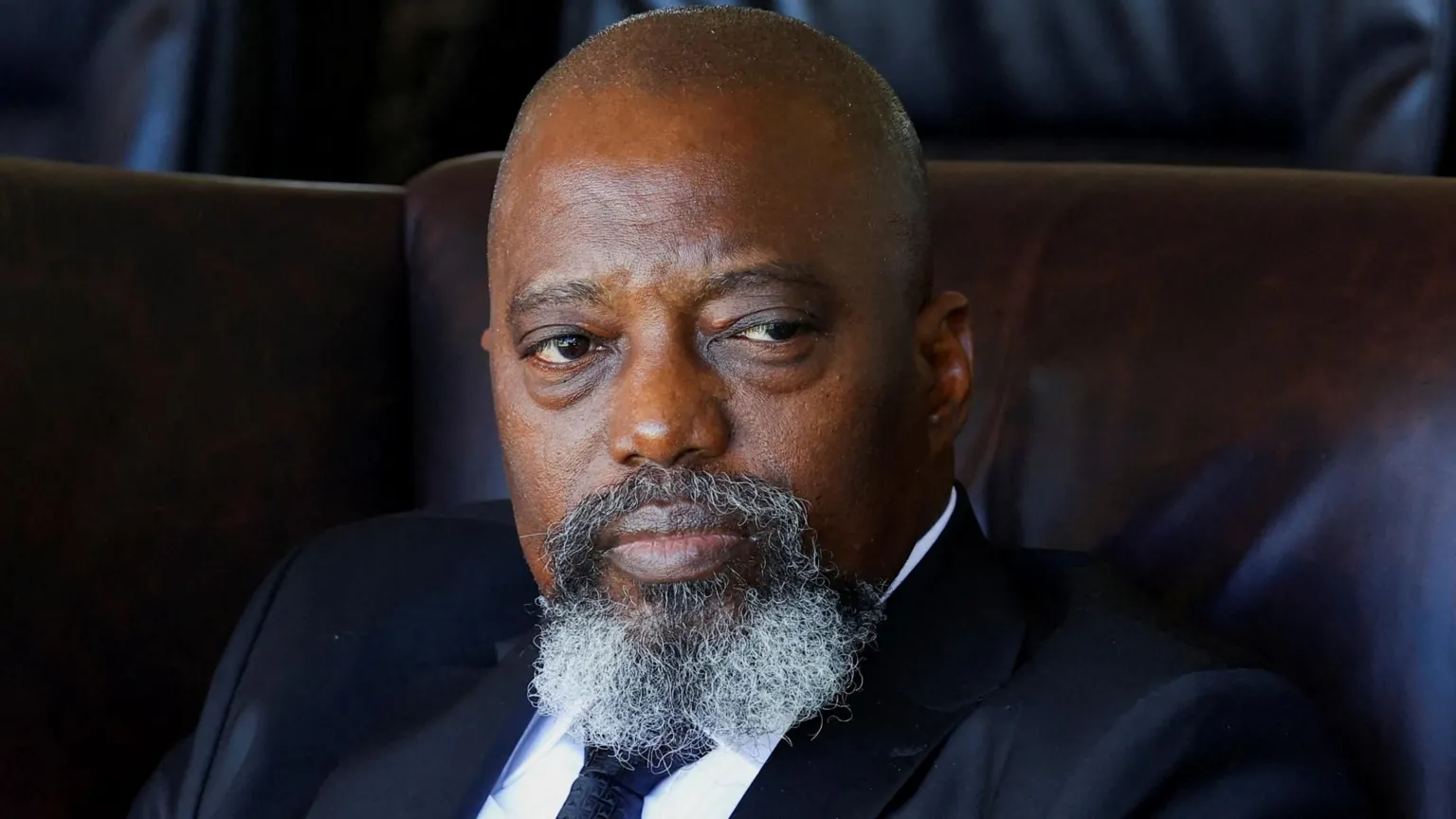
On May 23, the Senate of the Democratic Republic of Congo voted 88 to 5 to strip former President Joseph Kabila of his immunity, paving the way for prosecution on charges including treason and war crimes related to his alleged support for the M23 rebel group. This vote signals a significant political shift and potential legal reckoning for Kabila, who ruled DRC from 2001 to 2019, and has been accused of complicity in a violent insurgency that has claimed the lives of many civilians in the eastern regions of the country, according to BBC, Al Jazeera, and Reuters.
Kabila has consistently denied these allegations and criticized the government's actions, stating that the justice system has been manipulated to suppress dissent. After the lifting of his immunity, he described the government of his successor, President Félix Tshisekedi, as a "dictatorship" and an "instrument of oppression." In a livestreamed address, he elaborated on his view that the decisions made by the current regime lacked legality and were an affront to the democratic values of the country, according to Al Jazeera and BBC.
The Senate's decision to lift Kabila's immunity follows mounting evidence allegedly linking him to the M23's insurgency in eastern DRC, a group that seeks control of lucrative mineral resources. His political party, the People's Party for Reconstruction and Democracy (PPRD), has been suspended amid these developments. Notably, analysts suggest that Kabila's potential trial could exacerbate existing tensions and further destabilize a country already facing severe internal conflicts and humanitarian crises, as indicated by Reuters and Al Jazeera.
Despite being in self-imposed exile, Kabila has indicated his intention to return to the DRC to address the ongoing crisis and contribute to peace efforts. However, this prospect complicates the situation further, as existing peace negotiations involving the M23 and government forces remain volatile. Washington is reportedly pushing for a swift peace agreement that includes lucrative minerals deals essential for economic stability, as discussed by BBC and Reuters.


 July 31, 2026
 July 29, 2026
 July 29, 2026
Stay informed effortlessly with PRESS AI WORLD, the AI-powered news summarizer that delivers concise, easy-to-read global headlines tailored to your interests.
 BBC
BBC  ALJAZEERA
  REUTERS


