 Gloria Terra


Notification about latest news from us.

 Published: Tuesday, March 18
Updated: Wednesday, March 19
Published: Tuesday, March 18
Updated: Wednesday, March 19
 1 year ago

Credited from: REUTERS
Key Takeaways:
Hungary's parliament has passed a controversial law that bans Pride events organized by the LGBTQ+ community, following pressure from Prime Minister Viktor Orbán's ruling Fidesz party. On March 18, lawmakers voted 136-27 to implement the measure, with opposition parties protesting vehemently both inside and outside the chamber. The law was fast-tracked through parliament within just two days of its introduction, reflecting a broader crackdown on LGBTQ+ rights within Hungary, which has seen mounting criticism from both domestic and international observers, particularly human rights organizations.
The law frames the ban on Pride events under the guise of child protection, imposing hefty fines that could reach up to 200,000 Hungarian forints (approximately $546) for participants of these gatherings. Authorities are also empowered to use facial recognition technology to identify attendees at events deemed illegal under the new regulations. Orbán has depicted such legislation as necessary to protect children, asserting during speeches that Hungary should not allow "woke ideology" to endanger minors.
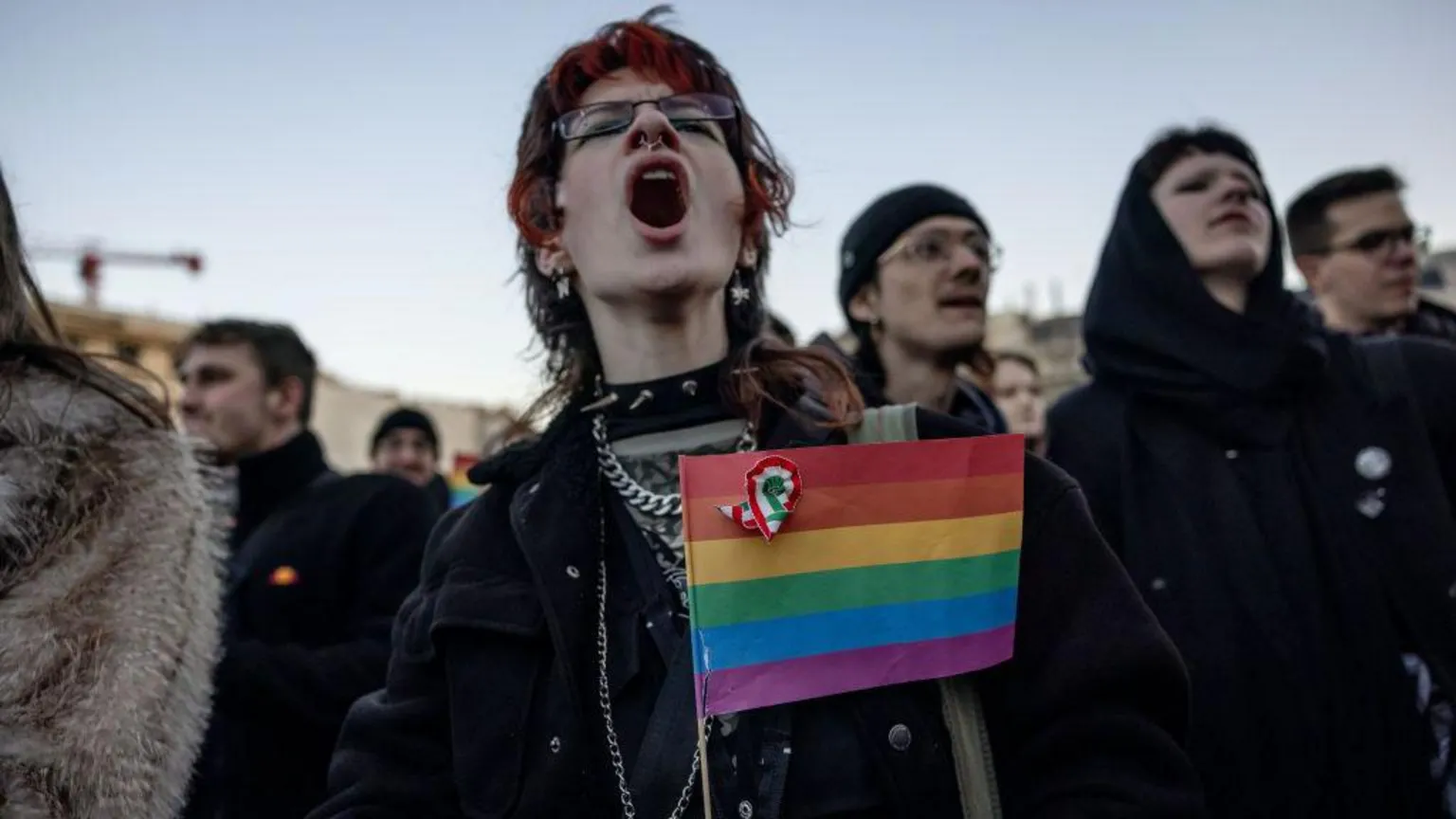
As news of the law's passing broke, protests erupted across Budapest, with thousands gathering to voice their opposition. Demonstrators blocked Margaret Bridge, declaring that the right to assemble is a fundamental freedom. Opposition lawmakers responded dramatically within the parliamentary session, igniting smoke bombs and donning signs denouncing the government's stance. Organizers of Budapest Pride vowed to proceed with this year's march, scheduled for June 28, despite the new restrictions.
Prominent figures, including Budapest's liberal mayor Gergely Karácsony, condemned the new law, characterizing it as a fundamental attack on civil liberties. Human rights advocates have also echoed this sentiment, highlighting concerns that such measures infringe upon the rights to free assembly and expression. The European Union has actively criticized Hungary's recent direction regarding LGBTQ+ rights, with LGBTQ+ rights under threat as the country enacts laws restricting sexual orientation discussions and general societal representation.
This recent legislative move follows a series of steps taken by the Orbán government to push back against progressive social norms, raising alarms among advocates for human rights within Hungary and beyond. Notably, Hungary had previously abolished legal recognition for transgender persons and instituted laws against the depiction of homosexuality to minors in 2021, further entrenching its conservative policies.
The implications of these developments continue to unfold, with public sentiment and legal interpretations of these new laws likely challenging the government’s stance in upcoming elections and international forums. The unfolding events symbolize a broader struggle over LGBTQ+ rights in Hungary, as the country grapples with internal dissent and international scrutiny amidst rising authoritarian tendencies.


 October 14, 2026
 October 14, 2026


Stay informed effortlessly with PRESS AI WORLD, the AI-powered news summarizer that delivers concise, easy-to-read global headlines tailored to your interests.

 LEMONDE
  LATIMES
  HUFFPOST
  REUTERS
  BBC
BBC 


