
 Gloria Terra


Notification about latest news from us.

 Published: Friday, February 28
Updated: Saturday, March 01
Published: Friday, February 28
Updated: Saturday, March 01
 1 year ago

Credited from: ALJAZEERA
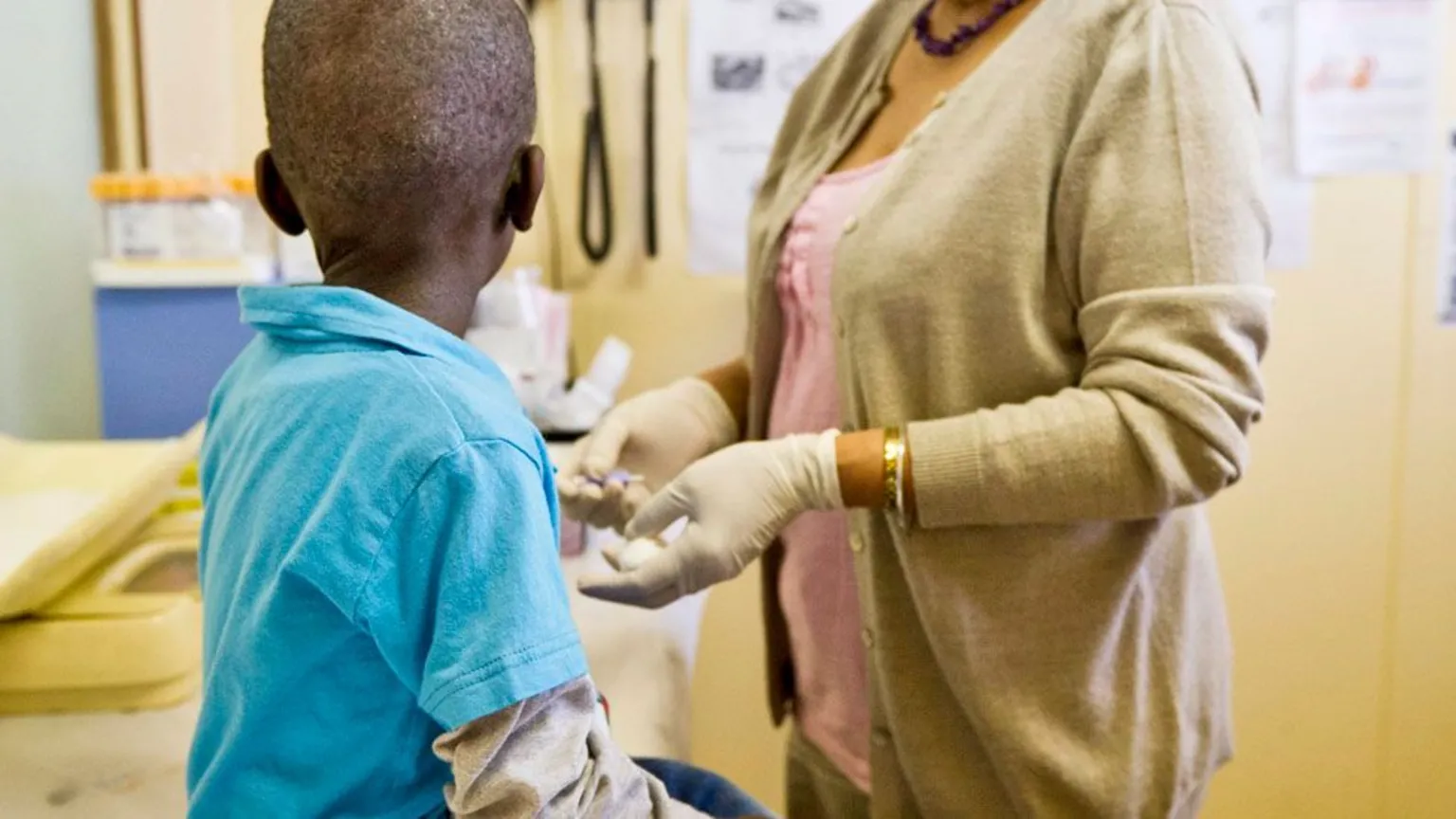
The abrupt decision by the US government to cut funding for HIV/AIDS programs is sending ripples of concern across South Africa, where nearly 8 million people are living with HIV. Health officials warn that this move could cause more than 500,000 deaths in the next decade, as the country grapples with the fallout and searches for alternatives to its crucial funding sources. According to Salon, this reduction affects critical care services that have been developed through federal investments over the years.
South African health minister Dr. Aaron Motsoaledi termed the cuts a "wake-up call", indicating that the nation can no longer rely heavily on foreign assistance for its healthcare needs. Despite these alarming developments, he has directed public health clinics to ensure that no patient is deprived of essential treatments. However, the Anova Health Institute, a key recipient of US funding, described the situation as "being pushed off a cliff," highlighting the confusion and chaos resulting from this sudden funding freeze, as reported by the BBC.
The funding cuts stem from a broader strategy initiated by the Trump administration aimed at reducing foreign aid spending. Critically, the cuts impact the US President's Emergency Plan for AIDS Relief (PEPFAR), which has been instrumental since its launch in 2003, credited with saving over 25 million lives globally. As detailed in a report by Al Jazeera, experts are warning that the repercussions of halting this aid are profound, with the potential to reverse decades of progress in managing the epidemic.
Health advocates have raised alarms over the potential for soaring rates of new infections and deaths due to disrupted healthcare services across the continent, especially considering that sub-Saharan Africa is home to approximately 25 million individuals living with HIV. In South Africa, the PEPFAR funding constitutes roughly 17% of the national HIV budget, with communities reliant on this aid for life-saving antiretroviral drugs. Linda-Gail Bekker from the Desmond Tutu HIV Center emphasized that "we will see lives lost," asserting that losing this financial support could result in half a million unnecessary deaths and new infections.
The impact of the cuts is already being felt as community health initiatives scramble for immediate solutions to maintain care for almost 900,000 HIV patients. The Treatment Action Campaign (TAC), a leading advocacy organization, has cited immense suffering and loss resulting from the funding cessation, which has already led to job losses and diminished healthcare outreach. The emotional toll on individuals and communities is immeasurable, leaving many in despair over a potentially dire future.
While South Africa is mobilizing its resources to address these urgent needs, the future of HIV funding remains precarious. Calls for support from other nations, particularly the European Union and private organizations like the Bill and Melinda Gates Foundation, are becoming increasingly critical, as financial gaps threaten to undermine public health infrastructure. Without renewed investment, there is a very real risk of devolving back into the darkest days of the HIV epidemic, a reality that many thought was behind them. Sustaining progresses made in HIV treatment is now pivotal to ensure the health of millions and protect the wider community.
For further insights into the implications of the US funding cuts, refer to the original articles from Salon, Al Jazeera, and BBC.

 February 28, 2025
Microsoft Announces the End of Skype as Users Bid Farewell
February 28, 2025
Microsoft Announces the End of Skype as Users Bid Farewell

 July 31, 2026
 July 26, 2026
 July 30, 2026
Stay informed effortlessly with PRESS AI WORLD, the AI-powered news summarizer that delivers concise, easy-to-read global headlines tailored to your interests.
 SALON
SALON  ALJAZEERA
  BBC
BBC 


