
 Viola Heart


Notification about latest news from us.


Credited from: FORBES
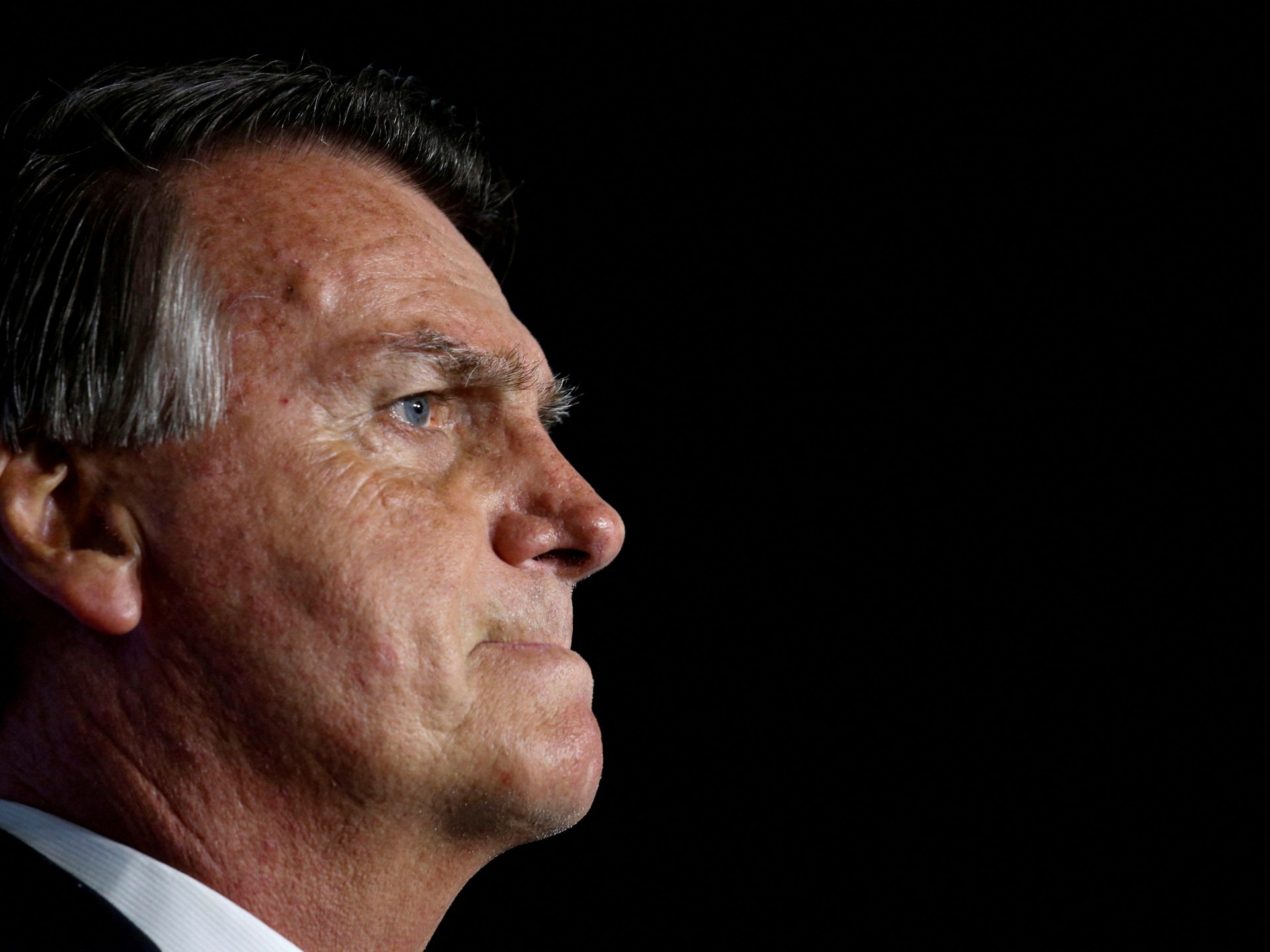
Brazil's former President Jair Bolsonaro has been formally charged by the country’s Prosecutor-General Paulo Gonet with plotting an alleged coup following his defeat in the 2022 presidential elections. The indictment includes claims that he and 33 others conspired to poison his successor, President Luiz Inácio Lula da Silva, and to assassinate Supreme Court Justice Alexandre de Moraes, a vocal opponent of Bolsonaro.
In a detailed 272-page indictment, Gonet has described the alleged activities of what he refers to as a "criminal organization." He stated, “The members of the criminal organization structured a plan at the presidential palace to attack institutions, aiming to bring down the system of the powers and the democratic order,” referring to the operation by the sinister name of "Green and Yellow Dagger." The charges include serious allegations such as attempting to violently abolish the democratic rule of law and for leading this group along with his vice-presidential candidate, Walter Braga Netto.
According to the prosecution, the plan was not a sudden occurrence but part of a systematic effort beginning in 2021 to discredit Brazil's electoral system. This conspiracy reportedly escalated with riots led by Bolsonaro's supporters in January 2023, when they stormed the presidential palace, Congress, and the Supreme Court, reminiscent of the January 6 Capitol insurrection in the United States.
The former president has adamantly denied any wrongdoing, stating he has “no concerns about the accusations, zero,” during a recent Senate visit. Bolsonaro dismissed the charges as a product of an “authoritarian regime” seeking to fabricate internal enemies, drawing parallels to political oppression in other countries such as Venezuela and Cuba. His sentiments were echoed by his supporters, who claim the accusations are baseless and unsubstantiated.
If the Supreme Court accepts the charges, Bolsonaro will stand trial, potentially facing severe penalties if convicted. Legal experts believe the atmosphere surrounding this case could influence Brazil's political landscape significantly as Bolsonaro currently faces a ban from running for public office until 2030 due to previous conduct that undermined Brazil's electoral integrity.
This developing situation signals a pivotal moment for democratic institutions in Brazil, showcasing their ability to contend with allegations that extend to high-ranking officials. As political analysts observe the unfolding events, many await the Supreme Court's decision, considering its implications for Bolsonaro's future and Brazilian democracy as a whole.
For further details, consult the original sources: HuffPost, Reuters, Le Monde, Los Angeles Times, BBC, Al Jazeera.


 July 31, 2026


 July 27, 2026
Stay informed effortlessly with PRESS AI WORLD, the AI-powered news summarizer that delivers concise, easy-to-read global headlines tailored to your interests.
 Published: Wednesday, February 19
  1 year ago
 HUFFPOST
  REUTERS
  LEMONDE
  LATIMES
  BBC
BBC  ALJAZEERA
  SCMP
SCMP  FORBES
  CBSNEWS


