
 Viola Heart


Notification about latest news from us.

 Published: Friday, January 31
Updated: Tuesday, February 04
Published: Friday, January 31
Updated: Tuesday, February 04
 1 year ago

Credited from: NEWSWEEK
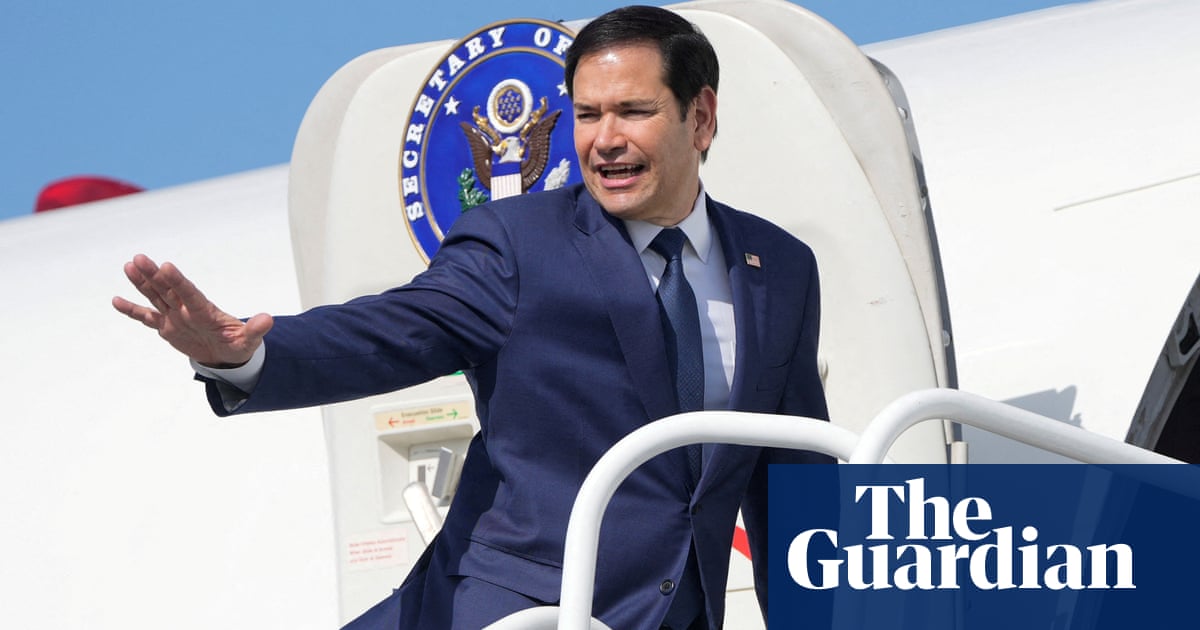
On February 2, 2025, during his inaugural trip abroad as Secretary of State, Marco Rubio held discussions with Panamanian President José Raúl Mulino, demanding immediate changes to address perceived threats from China's influence over the Panama Canal. Rubio explicitly indicated that the United States would take necessary measures to protect its rights under the Treaty Concerning the Permanent Neutrality and Operation of the Panama Canal if these demands were not met. As quoted by SCMP, he stated, “Secretary Rubio made clear that this status quo is unacceptable and that absent immediate changes, it would require the United States to take measures necessary to protect its rights under the Treaty.”
In response, Mulino defended Panama's sovereignty, asserting that ownership of the canal is non-negotiable. He emphasized this commitment despite pressure from President Donald Trump, who previously claimed that Chinese entities operate the canal, stating, “The canal is and will continue to be Panama’s” as reported by The Guardian. This meeting, however, was met with substantial public backlash, as local protests erupted in Panama City against Rubio's visit and Trump's demands, underscoring growing sentiments against perceived American imperialism.
During his visit, Rubio also pointed out concerns about the operation of the CK Hutchison Holdings company, which manages two significant ports at either end of the canal under a 25-year contract. Critics, including U.S. lawmakers, view this arrangement as a manifestation of China's expanding presence and a violation of the treaty signed in 1977. Following these discussions, Mulino announced that Panama would not renew its cooperation under China's Belt and Road Initiative, effectively signaling a strategic pivot towards the United States.
In the wake of growing tensions, China's ambassador to Panama condemned U.S. actions as aggressive and discursive, with SCMP reporting her claims of coercive diplomacy employed by the U.S. Rubio, however, framed Panama's decision to exit the Belt and Road Initiative as a significant victory for American interests and a reaffirmation of Panama’s close ties with the United States.
Rubio is set to continue his diplomatic tour across Latin America with stops in El Salvador, Costa Rica, Guatemala, and the Dominican Republic, aiming to strengthen U.S. relationships in the region while addressing persistent issues surrounding migration and international trade integrity.
For further reading on the implications of Rubio's visit and the evolving relations between the U.S., Panama, and China, access the full coverage from BBC, The Independent, and NY Times.


 July 31, 2026
 July 30, 2026


Stay informed effortlessly with PRESS AI WORLD, the AI-powered news summarizer that delivers concise, easy-to-read global headlines tailored to your interests.

 SCMP
SCMP  THEGUARDIAN
  REUTERS
  BBC
BBC  CNN
CNN  NPR
NPR  INDIATIMES
  LEMONDE
  THEHILL
  NEWSWEEK
  NYTIMES
  INDEPENDENT


