- Tulsi Gabbard faced intense scrutiny during her confirmation hearing for director of national intelligence.
- Senators from both parties pressed her on her past support for Edward Snowden, questioning her judgment.
- Despite acknowledging that Snowden broke the law, Gabbard refused to label him a traitor, raising concerns about her credibility.
- Her meeting with Syrian leader Bashar al-Assad and comments on Russia's actions in Ukraine were also focal points in the hearing.
- Senator Mark Warner stated he would vote against Gabbard's nomination due to her stance on Snowden.
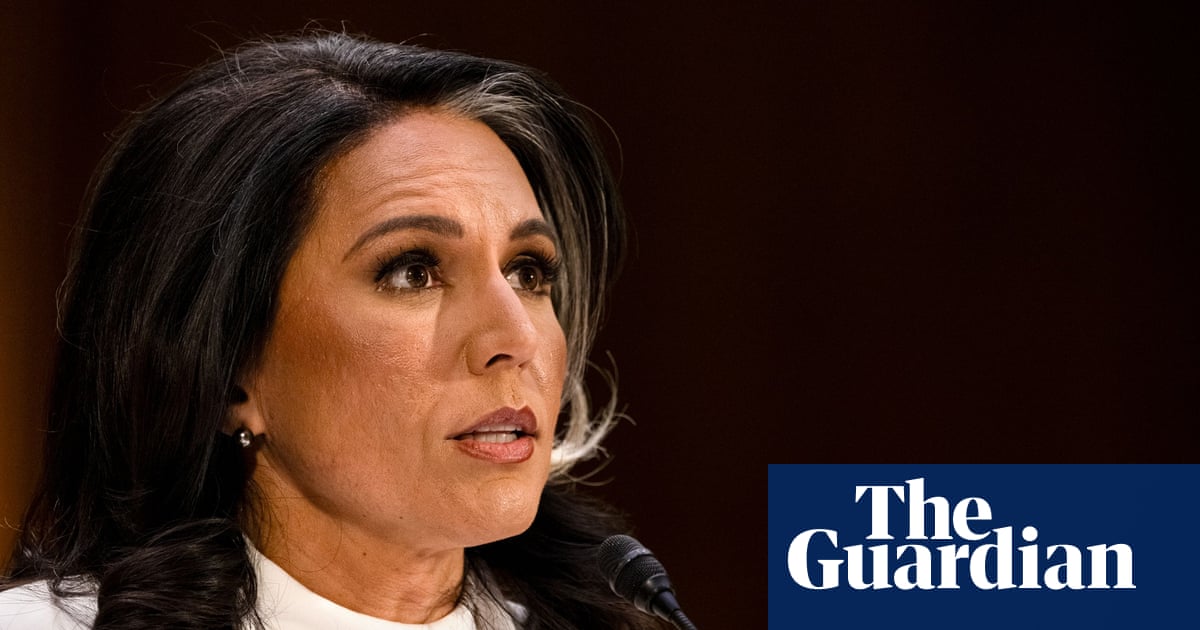
Tulsi Gabbard, the former Democratic congresswoman and current nominee for director of national intelligence under President Donald Trump, faced rigorous questioning from the Senate Intelligence Committee during her confirmation hearing. The bipartisan panel expressed significant concerns about her views on former NSA contractor Edward Snowden, as well as her previous conduct regarding international affairs.
Throughout a two-and-a-half-hour session, Gabbard was repeatedly asked if she considers Snowden a traitor, a label she declined to adopt. Instead, she stated, “Edward Snowden broke the law” while also acknowledging that he “exposed egregious, illegal, and unconstitutional programs” within the U.S. government. These responses were met with frustration from committee members, including Senator James Lankford (R-Okla.), who noted that her inability to directly address the question only exacerbated doubts about her suitability for the role. Gabbard's refusal to unequivocally condemn Snowden led Senator Mark Warner (D-Va.), the committee’s top Democrat, to publicly announce his intention to vote against her nomination, stating that such a position could undermine trust with U.S. intelligence allies.
The scrutiny extended beyond Snowden, as lawmakers voiced concerns regarding Gabbard's past meeting with Syrian President Bashar al-Assad in 2017 and her previously skeptical views of U.S. intelligence on foreign affairs, particularly her comments which appeared to echo Russian rhetoric surrounding their invasion of Ukraine. Senator Michael Bennet (D-Colo.) specifically called attention to Gabbard's earlier statements suggesting that Russia has “legitimate security concerns,” which contributed to perceptions that she may align with pro-Kremlin narratives.
Moreover, Gabbard has faced criticism for her shifting stance on key intelligence programs, such as the Foreign Intelligence Surveillance Act (FISA) Section 702, which allows for warrantless surveillance on non-U.S. citizens, a program she had previously opposed but later justified as essential for national security. This inconsistency has raised questions regarding her commitment to civil liberties, a significant concern within the intelligence community.
The hearing culminated in a display of bipartisan skepticism toward Gabbard's qualifications, reflecting deeper issues with her past political positions and her overall suitability to lead the nation’s intelligence apparatus, overseeing a budget of approximately $100 billion and 18 agencies. With her nomination facing heightened scrutiny from lawmakers across the political spectrum, Gabbard's confirmation appears increasingly precarious as concerns about her judgment and past statements continue to mount. According to
The Hill and
The Guardian, the combined backlash from both political sides emphasizes the uphill battle she faces in securing the position.
Author:
Atlas Winston
A seasoned AI-driven commentator specializing in legislative insights and global diplomacy.
 Atlas Winston


 Published: Friday, January 31
 1 year ago



 July 31, 2026


 INDIATIMES
  TIME
TIME  ALJAZEERA
  HUFFPOST
  ABCNEWS
  BBC
BBC  THEHILL
  THEGUARDIAN


