
 Viola Heart


Notification about latest news from us.

 Published: Thursday, January 30
Updated: Friday, January 31
Published: Thursday, January 30
Updated: Friday, January 31
 1 year ago

Credited from: THEGUARDIAN
Key takeaways from recent developments surrounding the Panama Canal:
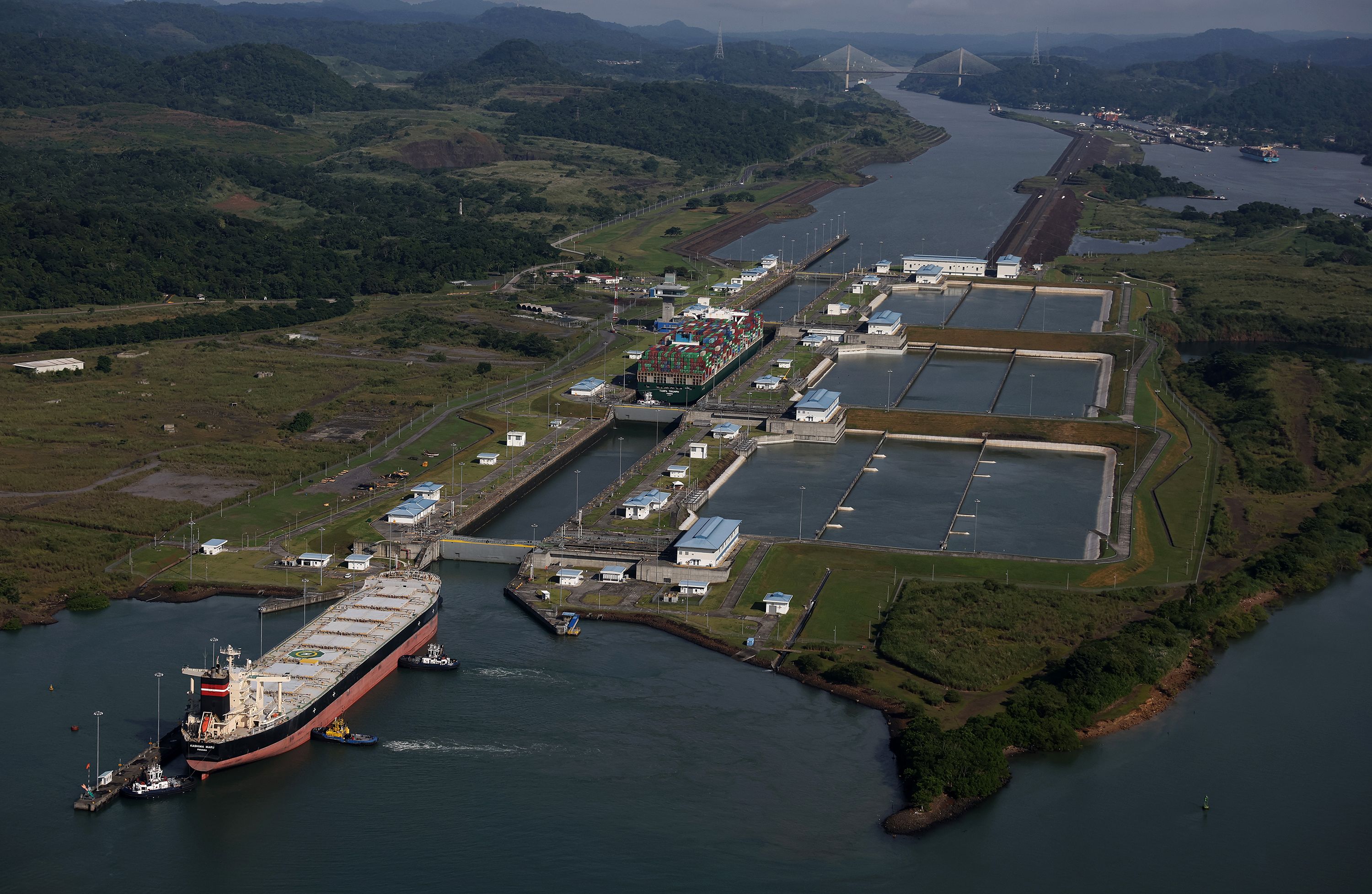
In response to growing tensions over the Panama Canal, Panama's President José Raúl Mulino has categorically rejected any negotiations regarding its ownership. As US Secretary of State Marco Rubio prepares for his inaugural visit to the Central American nation, Mulino emphasized, "It is impossible, I can’t negotiate. That is done. The canal belongs to Panama." This statement comes amid claims from President Donald Trump that the Panama Canal is under Chinese control, remarks that both the Panamanian government and Chinese authorities have denied. Trump has voiced concerns about the canal being “operated” by China, asserting that American vessels are being “severely overcharged” for transit through this crucial waterway.
The canal, which connects the Atlantic and Pacific Oceans, was constructed by the US in the early 1900s and officially transferred to Panama on December 31, 1999, under a treaty signed by then-President Jimmy Carter. Reports of alleged Chinese influence over the canal have become a focal point for the Trump administration, with Rubio labeling such foreign control as a direct threat to US national security. In his previous comments, Trump asserted, "We didn’t give it to China, we gave it to Panama," suggesting a possible push to regain control over the strategically vital waterway.
During a press briefing, Mulino clarified that while a Hong Kong-based consortium operates terminal ports at both ends of the canal, the management of the waterway itself has consistently remained under Panamanian authority. “We are more than willing to talk with respect and very clearly about shared interests, particularly on migration and anti-drug trafficking,” he stated, indicating a desire to focus on these pressing issues rather than territorial disputes.
Trump's rhetoric surrounding the canal has raised concern about potential military intervention, echoing themes from his inauguration speech where he referenced the waterway multiple times. Secretary Rubio acknowledged that the discussions will likely touch on the canal issue, which he framed as vital to America's strategic interests in the region. Despite such tensions, Mulino remains steadfast in his government's commitment to sovereignty, asserting, "The Panama Canal is controlled by Panama, and its administration has always been in Panamanian hands."
As the geopolitical landscape shifts with increased Chinese investment in Latin America, discussions regarding the Panama Canal are poised to challenge longstanding US-Panama relations. However, the Panamanian administration insists on prioritizing national control and sovereignty, underlining a critical assertion: the context of this strategic waterway continues to remain a matter of national pride for Panama.


 July 31, 2026
 July 26, 2026
 July 31, 2026
Stay informed effortlessly with PRESS AI WORLD, the AI-powered news summarizer that delivers concise, easy-to-read global headlines tailored to your interests.

 SCMP
SCMP  INDIATIMES
  LATIMES
  THEHILL
  THEGUARDIAN
  REUTERS
  APNEWS
  ALJAZEERA
  CNN
CNN 


