
 Viola Heart


Notification about latest news from us.

 Published: Monday, January 27
Updated: Tuesday, January 28
Published: Monday, January 27
Updated: Tuesday, January 28
 1 year ago

Credited from: BBC
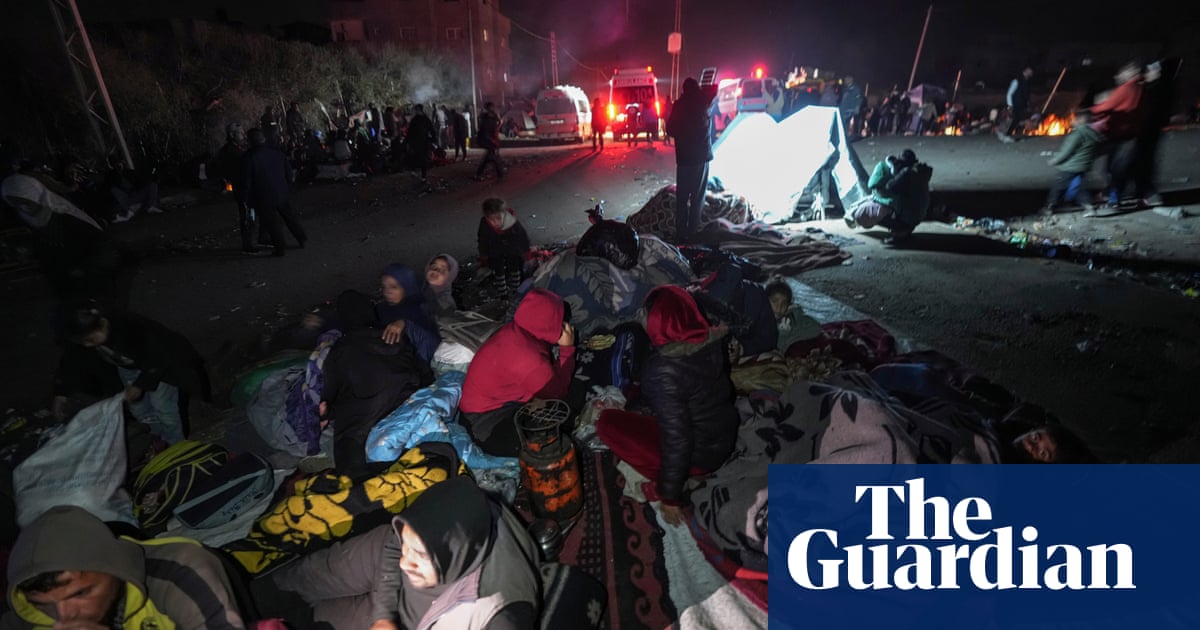
Tens of thousands of Palestinians have begun returning to the devastated northern Gaza Strip as Israel lifts restrictions, allowing displaced residents to go back to their homes for the first time in more than a year. This return is part of a fragile ceasefire agreement that has crucial humanitarian implications amid ongoing complexities in the Israeli-Palestinian conflict.
According to reports, the Hamas-run government confirmed that over 300,000 Palestinians streamed into northern Gaza on January 27, 2025. These individuals had been living in temporary shelters, such as tent camps and repurposed schools, since the onset of the conflict triggered by Hamas' surprise attack on October 7, 2023, which killed approximately 1,200 people and led to the abduction of around 250 hostages.
The long-awaited opening of the Netzarim corridor, a key military zone, allowed Palestinians to trek back to their homes despite fears that many would be uninhabitable. Ismail Abu Matter, a father of four who returned home stated, “It's the joy of return,” underscoring the emotional moment for many families as they celebrated reunions amidst the ruins of their neighborhoods.
However, the jubilant return coincides with grim news surrounding the hostage crisis. Israel announced that eight of the 26 hostages set for release by Hamas are confirmed dead, raising serious concerns and sadness among their families.
Israeli government spokesman David Mencer confirmed that a list from Hamas indicated eight hostages were deceased, matching Israel's intelligence. Families of the missing were informed about the situation concerning their relatives, which the government described as a high probability of loss without definitive proof yet established.
As part of the ceasefire agreement reached after intense negotiations involving Qatar and the United States, a total of *33 hostages are due to be released in exchange for approximately 1,900 Palestinian prisoners*. Thus far, *seven hostages have been freed*, while three more civilian women are expected to be released shortly, including Arbel Yehud and another female soldier, Agam Berger, on Thursday, January 30.
The U.N. has estimated that over 90% of Gaza’s 2.3 million residents have been displaced during the conflict, as bombings and military operations have devastated much of the northern region. While humanitarian aid is beginning to flow back into the area, concerns remain over the future stability of the ceasefire.
Critics point out that recent comments by President Donald Trump, suggesting the resettlement of Palestinians in nearby countries, have met widespread condemnation from regional governments, fearing it could lead to a secondary displacement reminiscent of the historical Nakba, which represents the mass exodus of Palestinians during Israel's founding in 1948.


 July 29, 2026


 July 31, 2026
Stay informed effortlessly with PRESS AI WORLD, the AI-powered news summarizer that delivers concise, easy-to-read global headlines tailored to your interests.

 THEGUARDIAN
  REUTERS
  VOANEWS
  BBC
BBC  TIME
TIME  LEMONDE
  APNEWS
  SCMP
SCMP  CBSNEWS
  NEWSWEEK
  NPR
NPR  SFGATE
  INDEPENDENT
  LATIMES
  HUFFPOST
  ALJAZEERA
  CNN
CNN  NYTIMES


